Unlocking Efficiency: The Benefits of Air-Cooled Electromagnetic Iron Removers in Manufacturing
2025-10-30


Unlocking Efficiency: The Benefits of Air-Cooled Electromagnetic Iron Removers in Manufacturing
Table of Contents
Introduction to Air-Cooled Electromagnetic Iron Removers
What Are Air-Cooled Electromagnetic Iron Removers?
Why Air-Cooled Magnetic Iron Removers Are Important in Manufacturing
Benefits of Using Air-Cooled Electromagnetic Iron Removers
Applications Across Various I
Unlocking Efficiency: The Benefits of Air-Cooled Electromagnetic Iron Removers in Manufacturing
Table of Contents
- Introduction to Air-Cooled Electromagnetic Iron Removers
- What Are Air-Cooled Electromagnetic Iron Removers?
- Why Air-Cooled Magnetic Iron Removers Are Important in Manufacturing
- Benefits of Using Air-Cooled Electromagnetic Iron Removers
- Applications Across Various Industries
- Choosing the Right Air-Cooled Electromagnetic Iron Remover
- Best Practices for Implementing Iron Removers
- The Future of Air-Cooled Electromagnetic Iron Removers in Manufacturing
- Frequently Asked Questions
- Conclusion
Introduction to Air-Cooled Electromagnetic Iron Removers
Air-cooled electromagnetic iron removers play a vital role in the manufacturing sector, particularly in processes that involve metal working, recycling, and mining. These devices are engineered to remove ferrous contaminants from various materials, ensuring that the final products meet stringent quality standards. In an era where efficiency and quality are paramount, understanding the advantages of air-cooled electromagnetic iron removers can significantly enhance operational performance.
What Are Air-Cooled Electromagnetic Iron Removers?
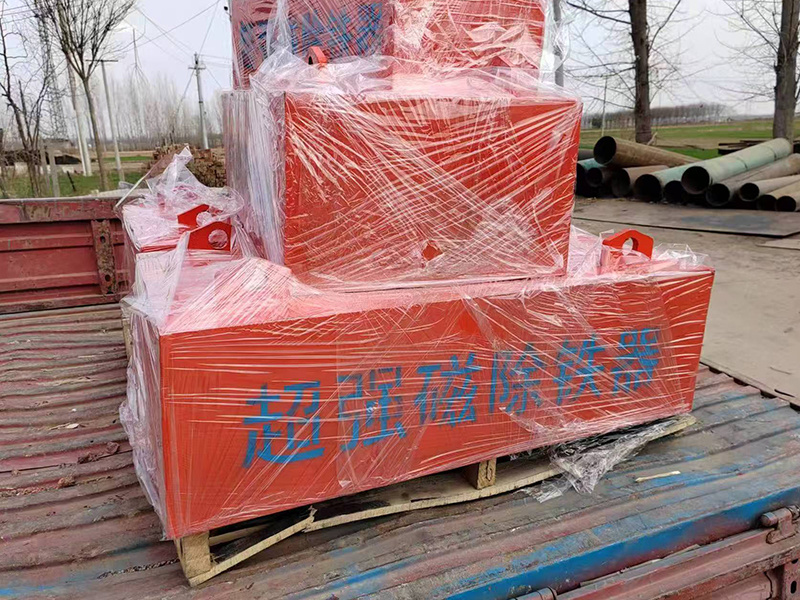
Air-cooled electromagnetic iron removers are specialized devices designed to eliminate ferrous particles from bulk materials such as aggregates, plastics, food products, and pharmaceuticals. Utilizing magnetic fields, these removers attract and hold onto ferrous contaminants, preventing them from entering production lines and disrupting processes. The air-cooling system ensures that the device operates efficiently without overheating, which prolongs its lifespan and maintains optimal performance.
Why Air-Cooled Magnetic Iron Removers Are Important in Manufacturing
The significance of air-cooled electromagnetic iron removers in manufacturing cannot be overstated. These devices not only enhance product quality but also contribute to operational efficiency and cost savings. By removing ferrous contaminants, manufacturers can minimize the risk of equipment damage, reduce maintenance costs, and improve the safety of their operations. Furthermore, ensuring the purity of raw materials leads to better final products, fostering customer satisfaction and loyalty.
Benefits of Using Air-Cooled Electromagnetic Iron Removers
1. Enhanced Production Efficiency
Air-cooled electromagnetic iron removers can streamline production processes by preventing contamination. This results in fewer interruptions, leading to smoother operations and increased output. When ferrous materials are effectively removed, manufacturers can operate machinery at optimal levels, reducing wear and tear.
2. Improved Product Quality
The use of air-cooled electromagnetic iron removers directly enhances product quality. By ensuring that no ferrous contaminants enter the final product, manufacturers can achieve higher purity levels, which is crucial in industries such as food processing and pharmaceuticals. This commitment to quality often translates into better customer reviews and repeat business.
3. Reduced Maintenance Costs
Regular equipment maintenance can be costly. By utilizing air-cooled electromagnetic iron removers, manufacturers can minimize the risk of damage caused by ferrous contaminants, drastically reducing the frequency of repairs and maintenance. This not only saves money but also resources, allowing for better allocation in other areas of production.
4. Energy Efficiency
Air cooling systems are generally more energy-efficient compared to water-cooled systems, which often require additional infrastructure and energy for pumping and heating. The efficient operation of air-cooled electromagnetic iron removers translates into lower energy bills and a reduced environmental footprint.
5. Versatility Across Applications
One of the notable advantages of air-cooled electromagnetic iron removers is their versatility. They are suitable for a wide range of applications, including recycling plants, manufacturing facilities, and food processing units. This versatility makes them an invaluable asset in diverse industrial settings.
Applications Across Various Industries
Air-cooled electromagnetic iron removers can be employed in numerous industries, each benefiting from their unique capabilities. Here's a look at some of the key sectors where these devices are making a significant impact:
1. Construction and Aggregates
In construction, ensuring that aggregates are free of ferrous contaminants is critical for maintaining the integrity of concrete and other building materials. Air-cooled electromagnetic iron removers are deployed at various stages of aggregate processing to ensure purity.
2. Food Processing
Quality control is paramount in the food industry. Air-cooled electromagnetic iron removers are utilized to eliminate metal contaminants from food products, safeguarding consumer health and compliance with stringent food safety regulations.
3. Plastic Recycling
In plastic recycling, the presence of ferrous materials can lead to significant operational challenges. Air-cooled electromagnetic iron removers effectively separate these contaminants, ensuring the quality of recycled plastics and promoting sustainability.
4. Mining Operations
Mining operations benefit from air-cooled electromagnetic iron removers by using them to clear ferrous debris from mined materials. This improves the quality of extracted minerals and reduces the wear on processing equipment.
5. Textile Industry
Ferrous contaminants can severely damage textile machinery, leading to costly downtime. Air-cooled electromagnetic iron removers help in maintaining machinery integrity by removing any metal fragments before processing begins.
Choosing the Right Air-Cooled Electromagnetic Iron Remover
Selecting the appropriate air-cooled electromagnetic iron remover requires careful consideration of several factors:
1. Material Characteristics
Understand the types of materials you are processing. Different materials may require specific designs or strengths of magnetic fields to effectively remove ferrous contaminants.
2. Process Requirements
Assess your production processes and identify where contamination is most likely to occur. This will help in determining the most effective placement and type of iron remover required.
3. Size and Configuration
Consider the size and installation configuration of the iron remover. It should fit seamlessly into your existing production line without causing disruptions.
4. Magnetic Strength
The strength of the magnetic field is crucial in determining the effectiveness of the iron remover. Ensure that the selected device has adequate strength to capture ferrous materials relevant to your operations.
Best Practices for Implementing Iron Removers
To maximize the efficiency and effectiveness of air-cooled electromagnetic iron removers, follow these best practices:
1. Regular Maintenance and Inspections
Implement a routine schedule for maintenance and inspections. This ensures that the iron remover is functioning optimally and captures all ferrous contaminants effectively.
2. Training for Personnel
Educate your workforce about the importance of electromagnetic iron removers and how to operate them efficiently. Proper training can minimize human errors and enhance operational efficiency.
3. Monitor Performance Metrics
Keep track of key performance indicators related to contamination levels, production downtime, and maintenance costs. Analyzing this data can help optimize the use of iron removers.
4. Evaluate Technological Upgrades
Stay updated with advancements in electromagnetic technologies. Regularly evaluate whether your current equipment meets industry standards and consider upgrades if necessary.
The Future of Air-Cooled Electromagnetic Iron Removers in Manufacturing
The future of air-cooled electromagnetic iron removers looks promising, driven by technological advancements and increasing demands for quality and efficiency in manufacturing. As industries evolve, so too will the designs and capabilities of these devices. Innovations may include enhanced sensor technology for real-time monitoring, improved energy efficiency, and integration with automated systems, further streamlining manufacturing processes.
Frequently Asked Questions
1. What size air-cooled electromagnetic iron remover do I need for my operation?
The size of the iron remover should be determined based on the volume of materials processed and the type of ferrous contaminants expected. Consulting with manufacturers can help you select the right size.
2. How often should I maintain my air-cooled electromagnetic iron remover?
Regular maintenance should be scheduled based on the manufacturer's recommendations and the operational conditions. Monthly inspections are typically advisable to ensure optimal performance.
3. Can air-cooled electromagnetic iron removers be used in wet conditions?
While air-cooled systems are designed for dry operations, specific models may be rated for use in wet environments. Always check the specifications before use.
4. What are the energy requirements for air-cooled electromagnetic iron removers?
Energy requirements vary based on the model and capacity. Generally, air-cooled systems are more energy-efficient than water-cooled systems, but it's essential to review the specifications for exact figures.
5. Are there industry standards for air-cooled electromagnetic iron removers?
Yes, there are industry standards that govern the design and operation of these devices. Compliance with these standards ensures safety, efficiency, and quality in manufacturing processes.
Conclusion
Air-cooled electromagnetic iron removers are pivotal in enhancing manufacturing efficiency and product quality. Their ability to eliminate ferrous contaminants not only protects equipment but also fosters a commitment to high standards of production. As industries continue to advance, the integration of these systems will likely expand, leading to smarter, more efficient manufacturing processes. By investing in air-cooled electromagnetic iron removers, companies position themselves at the forefront of technological innovation, ensuring sustained growth and competitiveness in the marketplace.
Keywords:
Latest News
Why do PVC conveyor belts need to be wrapped?
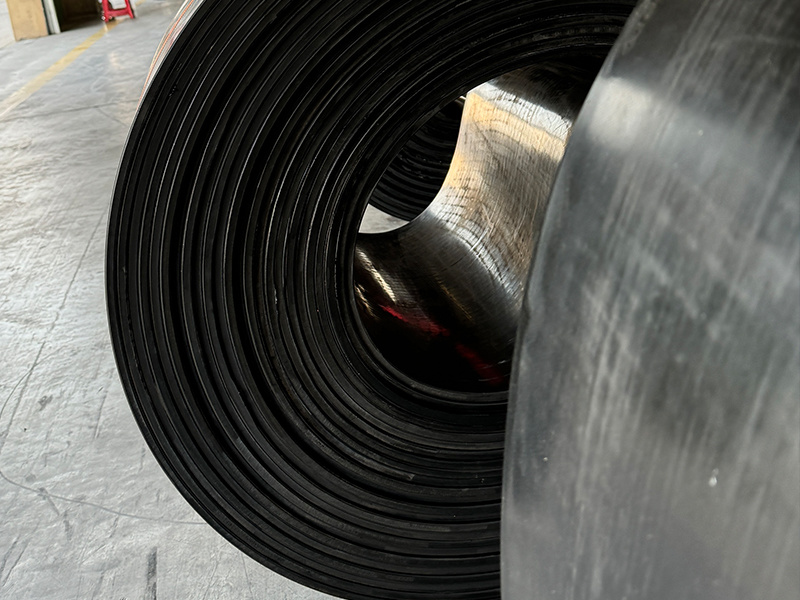
If PVC conveyor belt is to be hemmed, it usually needs 2 cloth and 2 glue or more to be suitable for hemming. First, separate the cloth surface from the glue surface, and then wrap the edge with the glue surface on the surface, so that the hemming is completed. And the use of hot melt process, the edge of the bag and the conveyor belt as a whole.