The Science of Separation: Permanent Magnetic Separators Explained
2026-10-23


The Science of Separation: Permanent Magnetic Separators Explained
Table of Contents
1. Introduction to Permanent Magnetic Separators
2. How Permanent Magnetic Separators Work
3. Types of Permanent Magnetic Separators
4. Applications of Permanent Magnetic Separators in Manufacturing
5. Benefits of Using Permanent Magnetic Separators
6. Maintenance of Permanent Magnetic Sep
The Science of Separation: Permanent Magnetic Separators Explained
Table of Contents
- 1. Introduction to Permanent Magnetic Separators
- 2. How Permanent Magnetic Separators Work
- 3. Types of Permanent Magnetic Separators
- 4. Applications of Permanent Magnetic Separators in Manufacturing
- 5. Benefits of Using Permanent Magnetic Separators
- 6. Maintenance of Permanent Magnetic Separators
- 7. The Future of Magnetic Separation Technology
- 8. Frequently Asked Questions
1. Introduction to Permanent Magnetic Separators
In the realm of **manufacturing and construction machinery**, the efficiency of operations largely depends on the ability to separate materials effectively. Permanent magnetic separators are vital in achieving this goal. They utilize the principles of magnetism to separate ferrous materials from non-ferrous materials in various processes. By leveraging the natural magnetic properties, these separators are engineered to enhance productivity, reduce contamination, and improve the quality of the end product.
Permanent magnetic separators are particularly significant in industries where metal contaminants can compromise the quality of products. The ability to efficiently separate these materials ensures that production processes remain smooth, reducing downtime and enhancing operational efficiency.
2. How Permanent Magnetic Separators Work
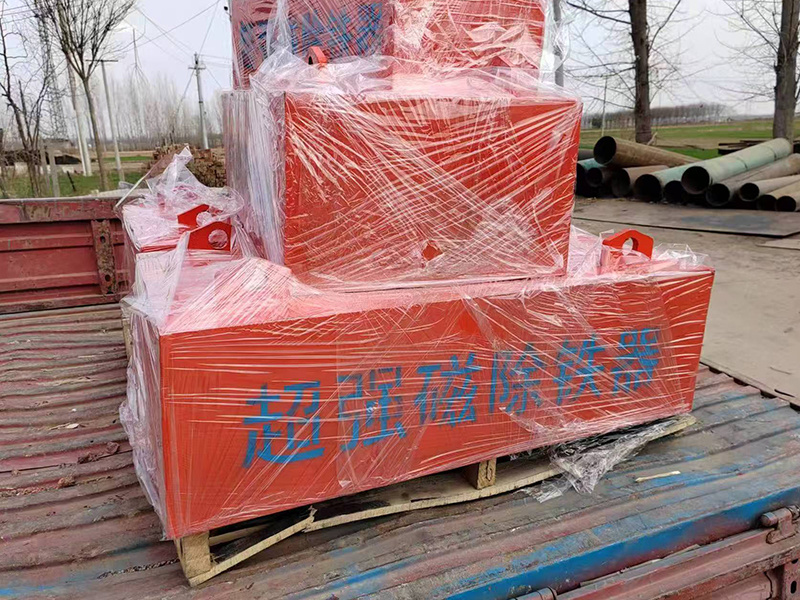
Permanent magnetic separators operate on a simple yet effective principle. They generate a magnetic field that attracts ferrous materials while allowing non-ferrous materials to pass through. The core components include:
- **Magnetic Core**: This is the main element that generates the magnetic field. It is made from high-grade magnetic materials that retain their magnetism over time.
- **Housing**: This component protects the magnetic core and houses the materials being processed.
- **Feed Mechanism**: This allows material to be introduced into the magnetic field, where separation occurs.
When materials pass through the magnetic field, ferrous items are attracted to the magnetic core, allowing non-ferrous materials to flow freely. This efficient separation process is crucial in various applications, ensuring that only the desired materials proceed further down the production line.
3. Types of Permanent Magnetic Separators
Several types of permanent magnetic separators cater to different industrial needs. Understanding these variations can aid in selecting the right separator for specific applications:
3.1 Magnetic Drum Separators
Magnetic drum separators are widely used in recycling and mineral processing. They consist of a rotating drum that has permanent magnets installed. When materials pass over the drum, ferrous materials are captured, while non-ferrous items are discharged.
3.2 Overband Magnetic Separators
Designed for installation over conveyor belts, overband magnetic separators capture ferrous materials without interrupting the flow of non-ferrous items. They are especially useful in waste processing and mining operations.
3.3 Magnetic Grates and Plates
These separators are installed in chutes or hoppers to catch metal contaminants before they enter processing equipment. Ideal for powder and granule applications, they ensure product purity and protect machinery.
3.4 Magnetic Rods
Magnetic rods can be combined to form grids or grates, making them versatile for various applications. They are often used in food processing and pharmaceuticals to capture metal particles.
3.5 Suspended Magnetic Separators
These separators are suspended above a conveyor belt to capture ferrous materials from bulk materials. They are commonly used in chemical and construction industries, providing an efficient separation solution.
4. Applications of Permanent Magnetic Separators in Manufacturing
Permanent magnetic separators are utilized across a plethora of industries, showcasing their versatility and effectiveness. Here are some key applications:
4.1 Mining Industry
In mining, magnetic separators are essential for separating valuable minerals from waste materials. They help recover iron ores and can also assist in processing coal and other minerals.
4.2 Recycling
The recycling industry benefits significantly from magnetic separation. Permanent magnetic separators are used to extract ferrous metals from waste streams, ensuring that recyclable materials are processed efficiently.
4.4 Food Processing
Ensuring product safety and quality is paramount in the food industry. Permanent magnetic separators capture metal contaminants, preventing them from entering the final product and ensuring compliance with safety standards.
4.5 Plastics Industry
In plastics manufacturing, preserving product integrity is crucial. Magnetic separators help in removing metal contaminants from recycled plastics, enhancing the quality of the final product.
5. Benefits of Using Permanent Magnetic Separators
The advantages of incorporating permanent magnetic separators into manufacturing and processing operations are substantial:
5.1 Enhanced Product Quality
By effectively removing ferrous contaminants, these separators improve the overall quality of the final product, ensuring compliance with industry standards and customer satisfaction.
5.2 Cost-Effectiveness
Permanent magnetic separators do not require electricity to maintain their magnetic field, resulting in lower operational costs. Their durability also reduces maintenance expenses.
5.3 Increased Operational Efficiency
By streamlining the separation process, these separators enhance overall operational efficiency, leading to faster production cycles and reduced downtime.
5.4 Environmentally Friendly
Using permanent magnets reduces energy consumption, contributing to more sustainable manufacturing practices. This aligns with the growing emphasis on eco-friendly processes in the industry.
6. Maintenance of Permanent Magnetic Separators
Maintaining permanent magnetic separators is essential for ensuring optimal performance and longevity. Here are some key maintenance practices:
6.1 Regular Inspections
Conducting regular inspections to check for signs of wear and tear or damage ensures that the separators function effectively. Prompt repairs or replacements prevent costly downtime.
6.2 Cleaning Procedures
Regular cleaning of the separators is necessary to maintain their efficiency. Dust and debris can accumulate and reduce the effectiveness of the magnetic field, leading to compromised separation.
6.3 Calibration
Regular calibration of the magnetic field ensures that the separators perform optimally. This may involve adjustments to the magnetic strength and alignment to maintain effective separation.
7. The Future of Magnetic Separation Technology
The future of magnetic separation technology is promising, with advancements aimed at enhancing efficiency and effectiveness. Innovations such as digital monitoring systems and automated cleaning mechanisms are being developed, allowing for real-time performance tracking and maintenance. Additionally, the integration of artificial intelligence in magnetic separation processes is expected to improve precision and decision-making, further optimizing manufacturing operations.
As industries face increasing demands for sustainability and efficiency, the evolution of magnetic separation technology will play a crucial role in meeting these challenges. The focus on reducing environmental impact while enhancing separation processes positions permanent magnetic separators as a cornerstone of modern manufacturing.
8. Frequently Asked Questions
8.1 What are permanent magnetic separators used for?
Permanent magnetic separators are primarily used to remove ferrous contaminants from bulk materials in various industries, ensuring product quality and protecting machinery.
8.2 How do I choose the right magnetic separator?
Choosing the right magnetic separator depends on factors such as the type of materials being processed, the physical dimensions of the equipment, and the specific application requirements.
8.3 Are permanent magnetic separators energy-efficient?
Yes, permanent magnetic separators are energy-efficient as they do not require external power sources to generate a magnetic field, leading to lower operational costs.
8.4 How often should magnetic separators be maintained?
Regular maintenance is crucial; inspections and cleaning should be conducted frequently, with calibration checks performed according to the manufacturer's recommendations.
8.5 Can permanent magnetic separators be used in extreme conditions?
Yes, many permanent magnetic separators are designed to withstand harsh operating environments, including extreme temperatures and heavy-duty applications.
Conclusion
In conclusion, permanent magnetic separators are an indispensable tool in the manufacturing and construction machinery sector, revolutionizing the way materials are processed and contaminants are removed. Their effectiveness, cost-efficiency, and sustainability make them a vital asset for industries striving for excellence. As technology continues to evolve, these separators will play an even more significant role in ensuring product quality and operational efficiency. Understanding their function, types, applications, and maintenance is crucial for any business looking to enhance its manufacturing processes. Embrace the power of permanent magnetic separators and unlock the potential for improved productivity and quality in your operations.
Keywords:
Latest News
Why do PVC conveyor belts need to be wrapped?
If PVC conveyor belt is to be hemmed, it usually needs 2 cloth and 2 glue or more to be suitable for hemming. First, separate the cloth surface from the glue surface, and then wrap the edge with the glue surface on the surface, so that the hemming is completed. And the use of hot melt process, the edge of the bag and the conveyor belt as a whole.