Mastering Steeply Inclined Conveyor Belts: An Essential Guide for Efficient Material Handling
2026-10-20


Steeply inclined conveyor belts are a vital component in various industries, especially in the manufacturing and construction sectors where the transportation of materials over significant vertical distances is required. These conveyor systems are specifically designed to handle steep angles, allowing for efficient movement of bulk materials, such as soil, gravel, and other aggregate materials, fr
Steeply inclined conveyor belts are a vital component in various industries, especially in the manufacturing and construction sectors where the transportation of materials over significant vertical distances is required. These conveyor systems are specifically designed to handle steep angles, allowing for efficient movement of bulk materials, such as soil, gravel, and other aggregate materials, from lower elevations to higher ones.
One of the primary advantages of steeply inclined conveyor belts is their ability to transport materials with minimal space requirements. Unlike traditional conveyors, which typically require extensive horizontal runs, steeply inclined designs allow operators to maximize vertical transport while conserving floor space. This is particularly beneficial in crowded job sites or manufacturing facilities where space optimization is critical.
The design of steeply inclined conveyor belts often incorporates unique features to enhance their performance. These include specialized belt profiles, cleats, and sidewalls that prevent material spillage and ensure stable transport at steep angles. The cleats on the belt provide the necessary grip to hold materials in place, especially when the conveyor is operating at an incline of 30 degrees or more. Sidewalls can also be added to further contain the material, making them ideal for conveying loose and bulk materials.
Additionally, steeply inclined conveyor belts are often constructed from durable materials that can withstand the rigors of heavy-duty use. This durability is essential in environments such as construction sites, where conveyors may be exposed to harsh conditions, including dust, moisture, and mechanical wear. By choosing high-quality materials and robust designs, manufacturers can ensure the longevity and reliability of these conveyor systems.
When selecting a steeply inclined conveyor belt, it is crucial to consider key factors such as the type and weight of the materials being transported, the required incline angle, and the overall length of the conveyor system. These considerations will help determine the appropriate specifications and configurations to optimize performance.
In conclusion, steeply inclined conveyor belts play a critical role in enhancing material handling efficiency in the manufacturing and construction industries. Their ability to transport materials vertically while conserving space makes them an invaluable tool in any operation. By understanding the design and functionality of these conveyor systems, businesses can significantly improve their workflow and productivity. Whether you are looking to upgrade your material transport systems or implement a new solution, steeply inclined conveyor belts offer versatile and effective options for modern industrial applications.
Keywords:
Latest News
Why do PVC conveyor belts need to be wrapped?
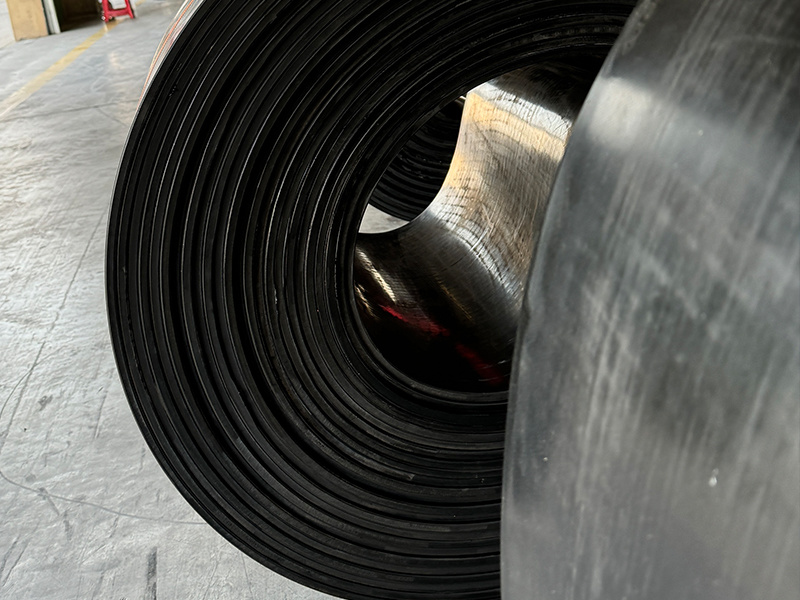
If PVC conveyor belt is to be hemmed, it usually needs 2 cloth and 2 glue or more to be suitable for hemming. First, separate the cloth surface from the glue surface, and then wrap the edge with the glue surface on the surface, so that the hemming is completed. And the use of hot melt process, the edge of the bag and the conveyor belt as a whole.