Integrating Electronic Belt Scales into Your Workflow: Best Practices for Enhanced Efficiency
2026-10-17


Integrating Electronic Belt Scales into Your Workflow: Best Practices for Enhanced Efficiency
Table of Contents
1. Introduction to Electronic Belt Scales
2. Importance of Electronic Belt Scales in Manufacturing and Construction
3. Benefits of Integrating Electronic Belt Scales into Your Workflow
4. Best Practices for Integrating Electronic Belt Scales
4.1 Plan
Integrating Electronic Belt Scales into Your Workflow: Best Practices for Enhanced Efficiency
Table of Contents
- 1. Introduction to Electronic Belt Scales
- 2. Importance of Electronic Belt Scales in Manufacturing and Construction
- 3. Benefits of Integrating Electronic Belt Scales into Your Workflow
- 4. Best Practices for Integrating Electronic Belt Scales
- 4.1 Planning Your Integration
- 4.2 Selecting the Right Electronic Belt Scale
- 4.3 Installation Guidelines
- 4.4 Training Employees on Usage
- 4.5 Ongoing Maintenance and Calibration
- 5. Common Challenges and Solutions
- 6. Case Studies: Successful Integration Examples
- 7. Future Trends in Electronic Belt Scale Technology
- 8. Conclusion
- 9. Frequently Asked Questions (FAQs)
1. Introduction to Electronic Belt Scales
In the ever-evolving world of **manufacturing and construction**, the need for precision and efficiency is paramount. Electronic belt scales have emerged as vital tools for accurately measuring the weight of materials transported on conveyor belts. These devices not only enhance productivity but also ensure compliance with industry standards. Understanding how to effectively integrate electronic belt scales into your workflow can lead to significant improvements in operational efficiency.
2. Importance of Electronic Belt Scales in Manufacturing and Construction
The integration of electronic belt scales is crucial for businesses seeking to streamline operations. These scales provide real-time weight measurements, which are essential for inventory management, quality control, and production planning. By ensuring accurate weight data, organizations can reduce material wastage, optimize logistics, and improve overall process efficiency.
The Critical Role of Accurate Measurements
Accurate weight measurements are vital for:
- Ensuring proper material usage
- Complying with regulatory requirements
- Facilitating inventory tracking and management
- Enhancing operational cost-efficiency
3. Benefits of Integrating Electronic Belt Scales into Your Workflow
Integrating electronic belt scales into your workflow presents numerous benefits that can enhance operational performance:
3.1 Improved Accuracy and Efficiency
Electronic belt scales provide precise weight readings, minimizing human error associated with manual weighing processes. This increased accuracy translates into better decision-making, ultimately leading to improved productivity.
3.2 Enhanced Data Management
With the capability to interface with other systems, electronic belt scales enable seamless data integration. This data can be leveraged for analytics, allowing for informed decision-making and process improvements.
3.3 Cost Reduction
By optimizing material usage and reducing wastage, organizations can realize significant cost savings. Additionally, accurate weight measurements help in negotiating better pricing with suppliers based on precise quantities.
4. Best Practices for Integrating Electronic Belt Scales
Successfully integrating electronic belt scales requires careful planning and execution. Here are key best practices to consider:
4.1 Planning Your Integration
Before implementing electronic belt scales, it is essential to **assess your current workflow**. Identify areas where weight measurement is critical and determine how electronic scales can enhance these processes.
4.2 Selecting the Right Electronic Belt Scale
Choosing the right scale is crucial. Consider the following factors:
- **Capacity**: Ensure the scale can handle the weight of the materials being measured.
- **Accuracy**: Look for scales with high accuracy specifications.
- **Durability**: Select scales designed to withstand harsh manufacturing environments.
4.3 Installation Guidelines
Proper installation is key to the reliable performance of electronic belt scales. Follow these guidelines:
- Ensure the scale is level and aligned with the conveyor.
- Minimize any vibrations or disturbances that could affect readings.
- Implement safety measures to protect both the equipment and personnel.
4.4 Training Employees on Usage
Once installed, it is crucial to train employees on how to operate the electronic belt scales effectively. Providing comprehensive training ensures that staff can utilize the scales to their full potential, enhancing accuracy and efficiency.
4.5 Ongoing Maintenance and Calibration
Regular maintenance and calibration are essential to keep electronic belt scales functioning accurately. Develop a maintenance schedule to:
- Inspect the scales frequently for wear and tear
- Calibrate the scales as per manufacturer recommendations
- Address any issues immediately to avoid operational disruptions
5. Common Challenges and Solutions
While integrating electronic belt scales brings numerous benefits, challenges may arise. Here are common issues and their solutions:
5.1 Calibration Issues
Calibration problems can lead to inaccurate measurements. Regular upkeep and following manufacturer guidelines can mitigate these risks.
5.2 Employee Resistance to Change
Employees may be hesitant to adopt new technology. Providing thorough training and illustrating the benefits of the scales can help ease this transition.
5.3 Integration with Existing Systems
Integrating electronic belt scales with current systems can pose technical challenges. Work with IT specialists to ensure compatibility and seamless data flow.
6. Case Studies: Successful Integration Examples
To illustrate the effectiveness of electronic belt scales, consider these case studies:
6.1 Case Study 1: Construction Company A
Company A, a leading construction firm, integrated electronic belt scales into its material handling process, resulting in a **30% reduction in material wastage**. By accurately measuring materials delivered to job sites, the company improved inventory management and reduced costs.
6.2 Case Study 2: Manufacturing Company B
Manufacturing Company B adopted electronic belt scales to optimize its production line. The integration led to a **25% increase in productivity**, as real-time weight data allowed for better planning and resource allocation.
7. Future Trends in Electronic Belt Scale Technology
As technology advances, electronic belt scales are evolving. Future trends include:
- **Integration with IoT**: Enhanced connectivity will allow for real-time monitoring and data analysis.
- **Improved Data Analytics**: Advanced software will provide deeper insights into operational efficiency.
- **Increased Automation**: Greater automation in materials handling will further streamline processes.
8. Conclusion
Integrating electronic belt scales into your workflow is a strategic move that can significantly enhance efficiency, accuracy, and cost-effectiveness in manufacturing and construction. By following best practices, addressing challenges, and leveraging the latest technology trends, organizations can optimize their operations and maintain a competitive edge in the industry.
9. Frequently Asked Questions (FAQs)
1. What are electronic belt scales?
Electronic belt scales are devices used to measure the weight of materials being transported on conveyor belts, providing accurate and real-time weight data.
2. How do electronic belt scales improve efficiency?
They provide precise measurements, minimize human error, and integrate with other systems for better data management, leading to streamlined operations.
3. What factors should I consider when selecting an electronic belt scale?
Key factors include capacity, accuracy, and durability, ensuring the scale meets the specific requirements of your operations.
4. How often should electronic belt scales be calibrated?
Calibration frequency depends on usage and manufacturer guidelines, but regular inspections are vital for maintaining accuracy.
5. Can electronic belt scales be integrated with existing systems?
Yes, electronic belt scales can often be integrated with existing systems; however, consulting with IT specialists may be necessary to ensure compatibility.
By following these guidelines, your organization can effectively leverage electronic belt scales to improve your operations.
Keywords:
Latest News
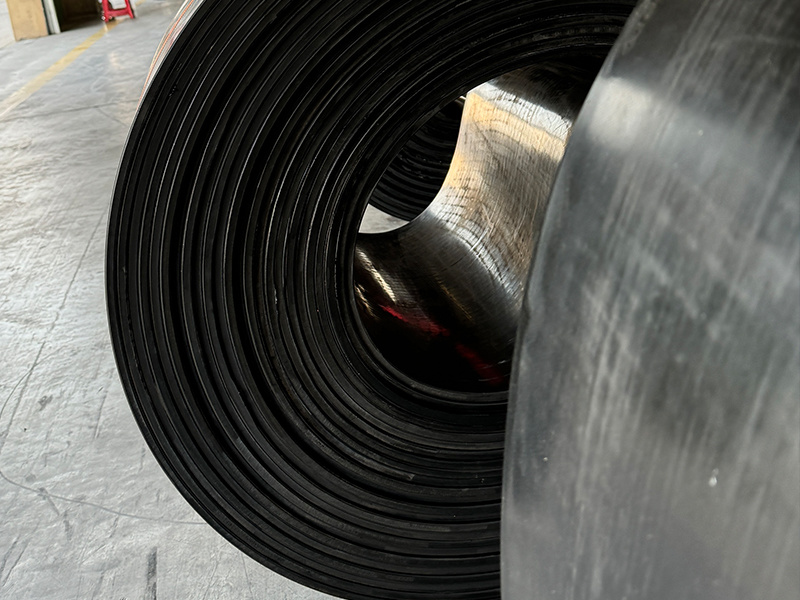
Why do PVC conveyor belts need to be wrapped?
If PVC conveyor belt is to be hemmed, it usually needs 2 cloth and 2 glue or more to be suitable for hemming. First, separate the cloth surface from the glue surface, and then wrap the edge with the glue surface on the surface, so that the hemming is completed. And the use of hot melt process, the edge of the bag and the conveyor belt as a whole.