Understanding Combination Electronic Belt Scales: Key Insights for the Construction Machinery Industry
2026-10-14


Combination electronic belt scales are critical components in the manufacturing and construction machinery sectors, particularly in earth-moving equipment. These scales are designed to provide accurate weight measurements of materials being transported on conveyor belts, ensuring efficiency and precision in industrial operations. Understanding how combination electronic belt scales work and their
Combination electronic belt scales are critical components in the manufacturing and construction machinery sectors, particularly in earth-moving equipment. These scales are designed to provide accurate weight measurements of materials being transported on conveyor belts, ensuring efficiency and precision in industrial operations. Understanding how combination electronic belt scales work and their benefits can significantly impact productivity in construction projects.
At their core, combination electronic belt scales utilize load cells to measure the weight of the material on the conveyor belt as it moves through the system. This real-time weighing capability allows operators to monitor the flow of materials continuously, ensuring that the required quantities are met without excess waste. The operation relies on a combination of mechanical components and electronic systems, which work in unison to provide precise measurements.
One of the primary advantages of these scales is their ability to enhance productivity. By integrating a combination electronic belt scale into a conveyor system, operators can streamline the loading and transportation processes of materials such as soil, gravel, and other aggregates. This integration minimizes the risk of overloading or underloading, which can lead to inefficiencies and increased operational costs.
Moreover, combination electronic belt scales are designed to withstand the rugged environments typical in construction sites. They are built with durable materials that can endure dust, moisture, and heavy usage, making them a reliable choice for the challenges faced in earth-moving operations. Their robust design ensures longevity and reduces the need for frequent maintenance, allowing construction teams to focus on their primary tasks.
Another significant aspect of combination electronic belt scales is their contribution to data collection and analysis. Many modern systems are equipped with advanced data logging capabilities that allow operators to track material usage and production rates. This data can be invaluable for project management, helping teams make informed decisions based on real-time information.
In conclusion, understanding the functionality and benefits of combination electronic belt scales is essential for professionals in the manufacturing and construction industries. These scales not only enhance operational efficiency and accuracy but also contribute to the overall success of projects by ensuring that material handling processes are optimized. As the construction industry continues to evolve, the adoption of advanced weighing technologies like combination electronic belt scales will play a vital role in driving productivity and efficiency in earth-moving machinery operations.
Keywords:
Latest News
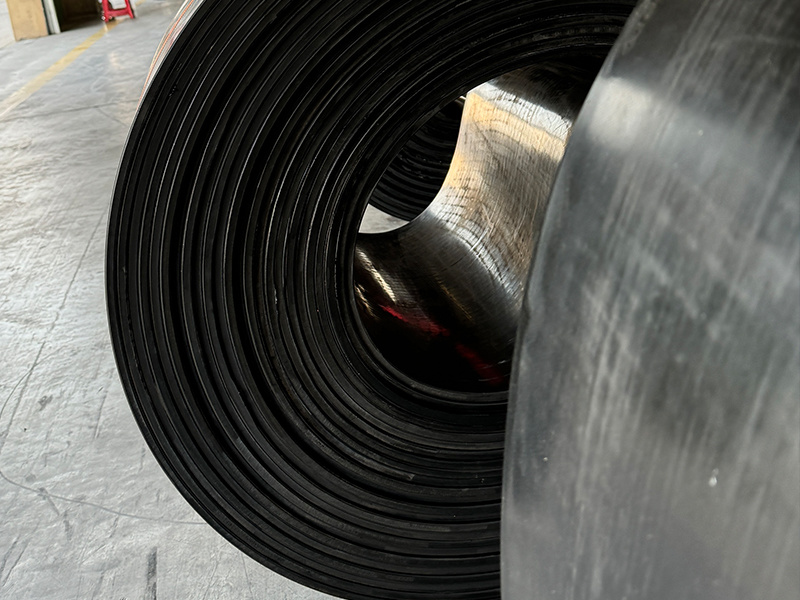
Why do PVC conveyor belts need to be wrapped?
If PVC conveyor belt is to be hemmed, it usually needs 2 cloth and 2 glue or more to be suitable for hemming. First, separate the cloth surface from the glue surface, and then wrap the edge with the glue surface on the surface, so that the hemming is completed. And the use of hot melt process, the edge of the bag and the conveyor belt as a whole.