Revolutionizing Construction Processes with Advanced Rotary Valve Dischargers
2026-10-11


Revolutionizing Construction Processes with Advanced Rotary Valve Dischargers
Table of Contents
1. Introduction to Rotary Valve Dischargers
2. The Mechanics of Rotary Valve Dischargers
3. Key Benefits of Using Rotary Valve Dischargers in Construction
3.1 Increased Efficiency and Productivity
3.2 Enhanced Safety Protocols
3.3 Improved Material Handling
4. Application Areas in the Cons
Revolutionizing Construction Processes with Advanced Rotary Valve Dischargers
Table of Contents
1. Introduction to Rotary Valve Dischargers
2. The Mechanics of Rotary Valve Dischargers
3. Key Benefits of Using Rotary Valve Dischargers in Construction
3.1 Increased Efficiency and Productivity
3.2 Enhanced Safety Protocols
3.3 Improved Material Handling
4. Application Areas in the Construction Industry
4.1 Concrete Production
4.2 Aggregate Handling
5. Environmental Impact and Sustainability
6. Choosing the Right Rotary Valve Discharger for Your Project
7. Maintenance Tips for Optimal Performance
8. Frequently Asked Questions (FAQs)
9. Conclusion
1. Introduction to Rotary Valve Dischargers
In the ever-evolving landscape of construction, efficiency, safety, and sustainability are paramount. One of the innovations leading this charge is the **advanced rotary valve discharger**. These devices are engineered to facilitate the smooth and controlled discharge of bulk materials, streamlining operations on construction sites. With their ability to enhance productivity while minimizing environmental impact, rotary valve dischargers are set to revolutionize construction processes.
2. The Mechanics of Rotary Valve Dischargers
Rotary valve dischargers operate on the principle of controlled flow through a rotating mechanism. The design typically includes a cylindrical housing that contains a rotor with multiple vanes. As the rotor turns, it creates a sealed chamber that allows bulk materials to enter and exit without significant air loss. This mechanism ensures that materials are dispensed evenly and efficiently, making it an ideal solution for various construction applications.
3. Key Benefits of Using Rotary Valve Dischargers in Construction
The adoption of rotary valve dischargers in construction offers a multitude of benefits that can greatly enhance project outcomes.
3.1 Increased Efficiency and Productivity
One of the primary advantages of rotary valve dischargers is their ability to improve operational efficiency. By ensuring a consistent and controlled discharge of materials, these devices minimize downtime and speed up the construction process. This efficiency translates to lower labor costs and faster project completion times, giving companies a competitive edge.
3.2 Enhanced Safety Protocols
Safety is a critical concern in construction, and rotary valve dischargers contribute to a safer working environment. By reducing the risk of spills and material loss, they help mitigate hazards associated with handling bulk materials. Furthermore, the enclosed design of these devices minimizes dust emissions, protecting workers' health and complying with environmental regulations.
3.3 Improved Material Handling
With rotary valve dischargers, the handling of materials becomes significantly more manageable. These devices can efficiently process various materials, including aggregates, cement, and even recycled materials. This versatility not only streamlines logistics but also allows for better resource management throughout the construction process.
4. Application Areas in the Construction Industry
Rotary valve dischargers find extensive applications across various sectors of the construction industry. Their adaptability makes them suitable for numerous tasks.
4.1 Concrete Production
In concrete production, rotary valve dischargers play a vital role in the precise handling and mixing of concrete ingredients. By ensuring steady flow rates and accurate material proportions, these devices help maintain the quality and consistency of concrete mixes, thereby enhancing the durability of the final product.
4.2 Aggregate Handling
Aggregates are fundamental components in construction, and their management is critical. Rotary valve dischargers facilitate the efficient transfer of aggregates from storage to processing units, minimizing waste and improving overall processing efficiency. This capability is especially beneficial in large-scale projects where timely material delivery is essential.
5. Environmental Impact and Sustainability
Sustainability is an increasingly important aspect of modern construction practices. The implementation of rotary valve dischargers aligns with eco-friendly initiatives by reducing material wastage and lowering emissions. Their efficient operation allows for better utilization of resources, contributing to sustainable building practices and environmental stewardship within the industry.
6. Choosing the Right Rotary Valve Discharger for Your Project
Selecting the appropriate rotary valve discharger involves several considerations. It's crucial to evaluate the material types, flow rates, and specific operational requirements of your construction project. Factors such as valve size, construction materials, and compatibility with other equipment will determine the most suitable discharger for your needs. Engaging with a knowledgeable supplier can provide valuable insights and recommendations tailored to your project.
7. Maintenance Tips for Optimal Performance
To ensure the longevity and efficiency of rotary valve dischargers, regular maintenance is essential. Consider the following tips:
- **Routine Inspections**: Conduct frequent checks for wear and tear to identify issues before they escalate.
- **Lubrication**: Keep moving parts well-lubricated to reduce friction and wear.
- **Cleaning**: Regularly clean the valve to prevent material buildup that can hinder performance.
- **Calibration**: Periodically calibrate the valve to maintain precise flow rates and ensure optimal operation.
By adhering to a comprehensive maintenance schedule, you can maximize the performance and lifespan of your rotary valve discharger.
8. Frequently Asked Questions (FAQs)
Q1: What materials can rotary valve dischargers handle?
A: Rotary valve dischargers can efficiently handle a variety of materials, including aggregates, cement, powders, and recycled products.
Q2: How do rotary valve dischargers improve safety on construction sites?
A: Their enclosed design minimizes dust emissions and reduces the risk of spills, thereby enhancing safety for workers and the environment.
Q3: How do I determine the right size of a rotary valve discharger for my project?
A: Consider factors such as the type of material, required flow rate, and compatibility with existing equipment when selecting the size of the discharger.
Q4: What is the maintenance frequency for rotary valve dischargers?
A: Maintenance should be conducted regularly, with inspections typically occurring weekly or monthly, depending on usage levels.
Q5: Can rotary valve dischargers improve material efficiency?
A: Yes, by providing a controlled and consistent flow of materials, rotary valve dischargers minimize waste and enhance material efficiency.
9. Conclusion
In conclusion, advanced rotary valve dischargers are pivotal in revolutionizing construction processes. By enhancing efficiency, safety, and material handling capabilities, they offer substantial benefits that align with modern demands for sustainability and productivity. As the construction industry continues to evolve, integrating innovative solutions like rotary valve dischargers will be essential for achieving successful project outcomes. Investing in these advanced systems can lead to substantial improvements in operational efficiency and environmental sustainability, ultimately paving the way for a more effective and responsible construction sector.
Keywords:
Latest News
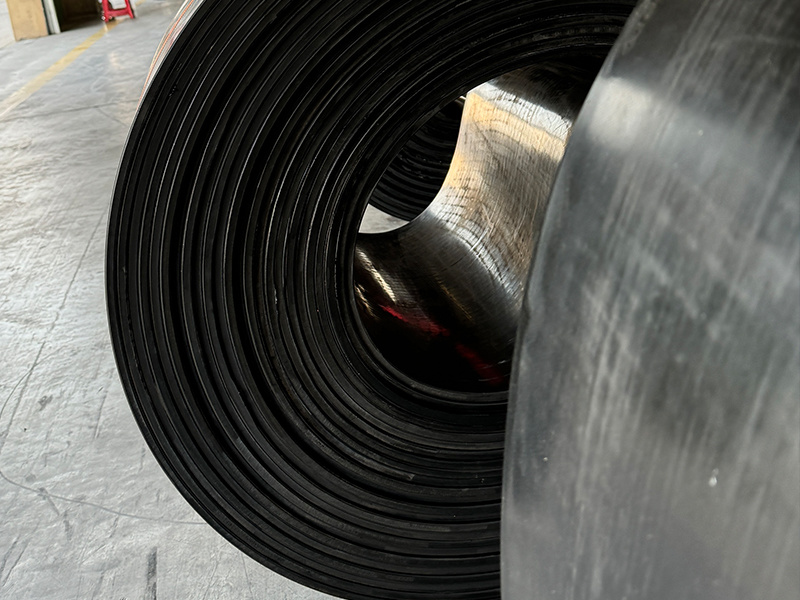
Why do PVC conveyor belts need to be wrapped?
If PVC conveyor belt is to be hemmed, it usually needs 2 cloth and 2 glue or more to be suitable for hemming. First, separate the cloth surface from the glue surface, and then wrap the edge with the glue surface on the surface, so that the hemming is completed. And the use of hot melt process, the edge of the bag and the conveyor belt as a whole.