Maximizing Efficiency with Self-Dumping Magnetic Separators in Manufacturing
2025-11-29


Maximizing Efficiency with Self-Dumping Magnetic Separators in Manufacturing
Introduction: The Role of Self-Dumping Magnetic Separators in Modern Manufacturing
In today's fast-paced manufacturing landscape, efficiency is paramount. As companies strive to reduce operational costs and enhance productivity, innovative technologies are becoming essential. One such technology is the **self-dumping magn
Maximizing Efficiency with Self-Dumping Magnetic Separators in Manufacturing
Introduction: The Role of Self-Dumping Magnetic Separators in Modern Manufacturing
In today's fast-paced manufacturing landscape, efficiency is paramount. As companies strive to reduce operational costs and enhance productivity, innovative technologies are becoming essential. One such technology is the **self-dumping magnetic separator**. This equipment not only streamlines the separation of ferrous materials from non-ferrous materials but also optimizes the overall manufacturing workflow.
Understanding Self-Dumping Magnetic Separators
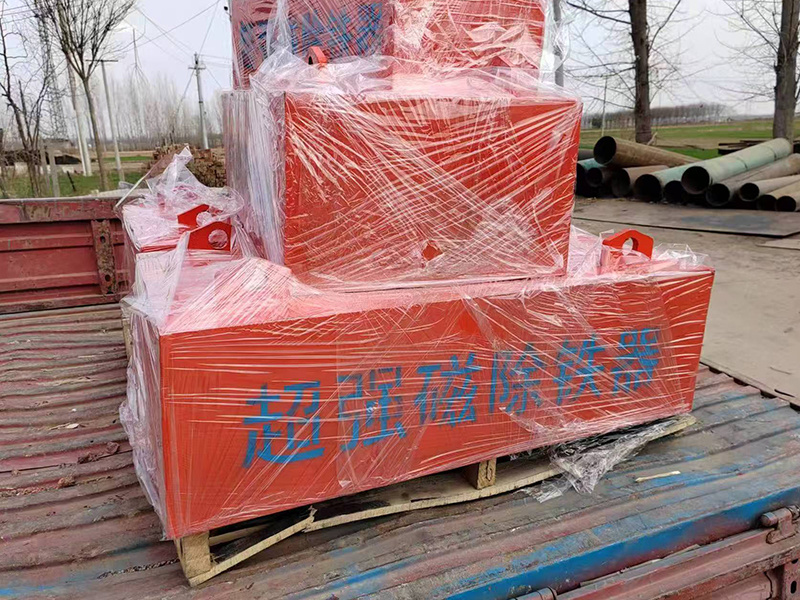
Self-dumping magnetic separators are designed to automatically remove metallic contaminants from bulk materials. By employing strong magnetic fields, these separators effectively capture ferrous particles, ensuring that the final product meets stringent quality standards.
How Self-Dumping Magnetic Separators Work
The operation of self-dumping magnetic separators is straightforward yet highly effective. When bulk material passes through the magnetic field, ferrous materials adhere to the separator's surface. Once the surface is full, the separator automatically discharges the captured metals without interrupting the product flow, which significantly boosts efficiency.
Key Components of Self-Dumping Magnetic Separators
To leverage the full potential of self-dumping magnetic separators, it's crucial to understand their components:
- **Magnetic Drum**: Houses the magnets that create the magnetic field.
- **Hopper**: Collects the material to be processed.
- **Discharge System**: Mechanically or pneumatically removes the separated ferrous materials.
- **Control Panel**: Allows for easy operation and monitoring.
The Benefits of Using Self-Dumping Magnetic Separators in Manufacturing
By integrating self-dumping magnetic separators into manufacturing processes, companies can reap numerous benefits.
Enhanced Product Quality
Removing metallic contaminants from raw materials ensures that the final products are of higher quality. This is especially critical in industries such as food processing and pharmaceuticals, where purity is paramount.
Increased Operational Efficiency
Self-dumping magnetic separators function automatically, reducing the need for manual intervention. This not only speeds up the separation process but also allows workers to focus on other critical tasks, ultimately improving overall productivity.
Cost Savings
Incorporating these separators can lead to substantial cost savings. By minimizing waste and preventing equipment damage due to contaminant buildup, manufacturing plants can operate more economically.
Environmental Benefits
Using self-dumping magnetic separators contributes to a cleaner manufacturing environment. By effectively recycling ferrous materials, companies can reduce their ecological footprint and promote sustainability.
Applications of Self-Dumping Magnetic Separators
Self-dumping magnetic separators have diverse applications across various industries.
Mining and Mineral Processing
In the mining sector, these separators are vital for extracting valuable minerals from ore and ensuring that only pure materials reach the market.
Food and Beverage Industry
Ensuring that food products are free from metallic contaminants is critical. Self-dumping magnetic separators play a significant role in maintaining safety standards in food processing.
Recycling Industry
In recycling operations, these separators help recover ferrous materials from waste streams, promoting resource recovery and waste reduction.
Choosing the Right Self-Dumping Magnetic Separator
Selecting the appropriate self-dumping magnetic separator requires careful consideration of several factors.
Material Characteristics
Understanding the properties of the material to be processed is essential. Factors such as size, density, and moisture content can influence the choice of separator.
Separation Efficiency
Evaluate the separator's magnetic strength and its ability to capture various ferrous materials. Higher magnetic strength typically results in better efficiency.
Installation and Maintenance
Consider the installation requirements and ease of maintenance. A user-friendly design can reduce downtime and enhance operational efficiency.
Implementing Self-Dumping Magnetic Separators in Your Manufacturing Process
Integrating self-dumping magnetic separators into existing manufacturing processes can be seamless with proper planning.
Conducting a Needs Assessment
Assess the specific needs of your manufacturing workflow. Identify which processes would benefit most from magnetic separation and whether a self-dumping model is necessary.
Training Personnel
Ensure that employees understand the operation and maintenance of the separators. Training can significantly impact the overall efficiency of the new system.
Monitoring Performance
After implementation, consistently monitor performance metrics to gauge the effectiveness of the magnetic separators. Regular assessments will help identify areas for improvement.
Common Challenges and Solutions
While self-dumping magnetic separators offer many advantages, they may also present challenges.
Overloading the Separator
Overloading can reduce separation efficiency. To combat this, regularly monitor material flow and adjust processes accordingly.
Magnetic Field Degradation
Over time, magnetic strength may diminish. Scheduling routine inspections and timely maintenance can help maintain optimal performance.
Cost Considerations
The initial investment in self-dumping magnetic separators can be significant. However, the long-term savings on waste reduction and improved efficiency typically justify the expense.
FAQs about Self-Dumping Magnetic Separators
1. What materials can self-dumping magnetic separators effectively separate?
Self-dumping magnetic separators are designed to capture ferrous materials, including iron, steel, and other magnetic metals from bulk materials.
2. How often should self-dumping magnetic separators be maintained?
Regular maintenance is recommended every six months or as needed, depending on usage and the materials processed.
3. Can self-dumping magnetic separators be customized for specific applications?
Yes, many manufacturers offer customizable options to suit specific operational needs and material characteristics.
4. What are the installation requirements for self-dumping magnetic separators?
Installation generally requires minimal infrastructure changes, but proper alignment and access for maintenance are essential.
5. Are self-dumping magnetic separators energy efficient?
Yes, these separators are designed to operate efficiently, reducing energy consumption compared to manual separation methods.
Conclusion: The Future of Manufacturing with Self-Dumping Magnetic Separators
Incorporating self-dumping magnetic separators into manufacturing processes is a strategic move towards enhanced efficiency and sustainability. By understanding their functionality, benefits, and specific applications, manufacturers can significantly improve product quality and operational efficiency. As industries continue to evolve, embracing innovative technologies like self-dumping magnetic separators will be crucial for staying competitive in the global market. Make the shift today and unlock the full potential of your manufacturing operations.
Keywords:
Latest News
Why do PVC conveyor belts need to be wrapped?
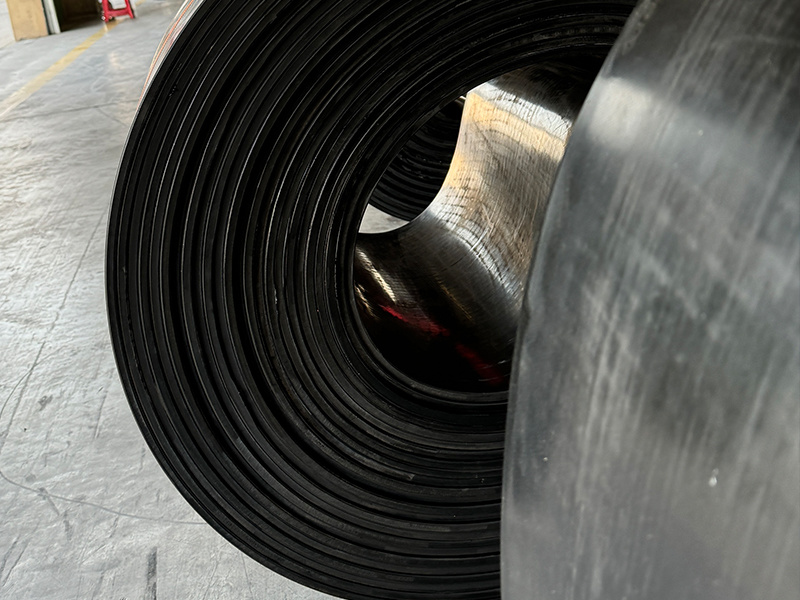
If PVC conveyor belt is to be hemmed, it usually needs 2 cloth and 2 glue or more to be suitable for hemming. First, separate the cloth surface from the glue surface, and then wrap the edge with the glue surface on the surface, so that the hemming is completed. And the use of hot melt process, the edge of the bag and the conveyor belt as a whole.