Maximize Efficiency with Combination Electronic Belt Scales in Manufacturing
2026-01-19


Maximize Efficiency with Combination Electronic Belt Scales in Manufacturing
Table of Contents
1. Introduction to Combination Electronic Belt Scales
2. Understanding Belt Scales: The Basics
3. Benefits of Combination Electronic Belt Scales
4. Applications of Combination Electronic Belt Scales in Manufacturing
5. How to Choose the Right Combination Electronic Belt Scale
6.
Maximize Efficiency with Combination Electronic Belt Scales in Manufacturing
Table of Contents
- 1. Introduction to Combination Electronic Belt Scales
- 2. Understanding Belt Scales: The Basics
- 3. Benefits of Combination Electronic Belt Scales
- 4. Applications of Combination Electronic Belt Scales in Manufacturing
- 5. How to Choose the Right Combination Electronic Belt Scale
- 6. Installation and Maintenance Best Practices
- 7. Case Studies: Real-World Success Stories
- 8. The Future of Belt Scales in Manufacturing
- 9. Frequently Asked Questions
- 10. Conclusion
1. Introduction to Combination Electronic Belt Scales
In today's fast-paced manufacturing environment, efficiency and precision are paramount. **Combination electronic belt scales** serve as a pivotal solution to these demands, enabling manufacturers to monitor and control material flow accurately. By integrating weighing systems with conveyor technology, these scales provide real-time data that enhances decision-making and operational efficiency. This article delves into the intricacies of combination electronic belt scales, highlighting their importance and the ways they can transform manufacturing processes.
2. Understanding Belt Scales: The Basics
Belt scales are instruments used to measure the weight of bulk materials on a conveyor belt. **Combination electronic belt scales** utilize electronic sensors and advanced algorithms to deliver precise weight measurements. These scales can measure both the flow rate of materials and the total weight over a specified period.
2.1 How Belt Scales Work
Belt scales operate by using load cells that detect the weight of the material on the conveyor belt. As the material moves along the belt, the load cells transmit data to a digital display or a control system, which processes and outputs weight measurements. This real-time data can be used for inventory control, production planning, and quality assurance.
3. Benefits of Combination Electronic Belt Scales
The integration of combination electronic belt scales into manufacturing processes offers numerous advantages.
3.1 Enhanced Accuracy
Accurate measurement is crucial in manufacturing. **Combination electronic belt scales** minimize human error and ensure consistent weight readings, leading to improved product quality and reduced waste.
3.2 Increased Efficiency
By automating the weighing process, manufacturers can streamline operations and reduce downtime. This efficiency translates into higher productivity and lower operational costs.
3.3 Real-Time Data Insights
These scales provide immediate feedback on material flow, enabling manufacturers to make informed decisions quickly. Real-time data helps in identifying bottlenecks and optimizing resource allocation.
4. Applications of Combination Electronic Belt Scales in Manufacturing
**Combination electronic belt scales** are versatile tools employed across various industries. Their applications include:
4.1 Aggregate and Mining Industries
In the extraction and processing of minerals, accurate measurement of materials is crucial for compliance and profitability. Belt scales assist in monitoring the flow of aggregates and ensuring correct load-out weights.
4.2 Food Manufacturing
Food manufacturers require stringent compliance with weight regulations. Combination electronic belt scales ensure precise weight measurements, contributing to quality control and inventory management.
4.3 Chemical and Pharmaceutical Manufacturing
In these industries, the precise measurement of raw materials is essential for product consistency. These scales help maintain batch quality and comply with safety regulations.
5. How to Choose the Right Combination Electronic Belt Scale
Selecting the appropriate combination electronic belt scale involves several key considerations.
5.1 Assessing Material Characteristics
Understanding the bulk density, size, and flow characteristics of your materials is essential. Different scales cater to various material types, and knowing your needs will guide your choice.
5.2 Evaluating Installation Environment
Consider the operating environment, including temperature, humidity, and the presence of dust or moisture. Choose a scale that can withstand your specific conditions.
5.3 Budget and ROI Considerations
Evaluate your budget while considering the return on investment. Although initial costs may vary, the efficiency and accuracy gained from the right scale can lead to significant savings over time.
6. Installation and Maintenance Best Practices
Proper installation and maintenance of combination electronic belt scales are crucial for their longevity and performance.
6.1 Installation Guidelines
Follow manufacturer guidelines for installation to ensure accuracy. Proper alignment of the belt and load cells is vital to prevent inaccuracies in weight measurement.
6.2 Routine Maintenance
Regular maintenance checks, including calibration and cleaning, can help maintain accuracy and prolong the lifespan of the belt scales. Schedule periodic inspections to identify potential issues early.
7. Case Studies: Real-World Success Stories
Examining real-world applications of combination electronic belt scales can provide insights into their effectiveness.
7.1 Case Study: Aggregate Production Facility
An aggregate production facility implemented combination electronic belt scales to monitor the flow of materials. The result was a **15% increase in operational efficiency** and a significant reduction in material waste.
7.2 Case Study: Food Processing Company
A food processing company utilized these scales to ensure compliance with weight regulations. They reported a **20% decrease in production errors** and improved product consistency.
8. The Future of Belt Scales in Manufacturing
As technology continues to advance, the future of combination electronic belt scales looks promising. Innovations such as artificial intelligence and IoT integration promise to enhance data analysis and predictive maintenance, further increasing efficiency in manufacturing operations.
9. Frequently Asked Questions
9.1 What are combination electronic belt scales?
Combination electronic belt scales are weighing systems integrated with conveyor technology that measure the weight of materials moving along a conveyor belt.
9.2 How do combination electronic belt scales improve efficiency?
They automate the weighing process, reduce human error, and provide real-time data for better decision-making, leading to improved operational efficiency.
9.3 What industries benefit from using combination electronic belt scales?
Industries such as aggregates, food manufacturing, chemicals, and pharmaceuticals can greatly benefit from the accuracy and efficiency offered by these scales.
9.4 How do you maintain combination electronic belt scales?
Regular maintenance includes routine calibration, inspections, and cleaning to ensure optimal performance and accurate measurements.
9.5 What should I consider when choosing a combination electronic belt scale?
Consider material characteristics, installation environment, and budget to select the scale that best meets your manufacturing needs.
10. Conclusion
Incorporating combination electronic belt scales into manufacturing processes is an effective strategy for maximizing efficiency and accuracy. These advanced weighing systems not only enhance operational performance but also contribute to significant cost savings and product quality improvements. As industries continue to evolve, the adoption of such technologies will be essential for maintaining a competitive edge in the manufacturing landscape. By understanding the benefits, applications, and best practices for these scales, manufacturers can make informed decisions that bolster their productivity and profitability.
Latest News
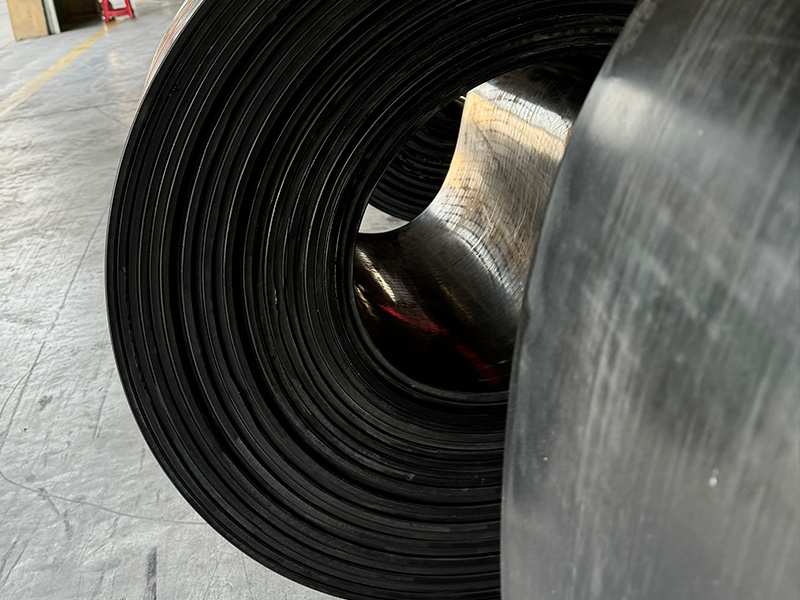
Why do PVC conveyor belts need to be wrapped?
If PVC conveyor belt is to be hemmed, it usually needs 2 cloth and 2 glue or more to be suitable for hemming. First, separate the cloth surface from the glue surface, and then wrap the edge with the glue surface on the surface, so that the hemming is completed. And the use of hot melt process, the edge of the bag and the conveyor belt as a whole.