How Steeply Inclined Conveyor Belts Revolutionize Material Handling
2026-02-19


How Steeply Inclined Conveyor Belts Revolutionize Material Handling
Table of Contents
1. Introduction to Steeply Inclined Conveyor Belts
2. The Technology Behind Steeply Inclined Conveyor Belts
3. Key Benefits of Using Steeply Inclined Conveyor Belts
4. Applications of Steeply Inclined Conveyor Belts in Various Industries
5. Challenges and Solutions in Implementing Steeply Inc
How Steeply Inclined Conveyor Belts Revolutionize Material Handling
Table of Contents
- 1. Introduction to Steeply Inclined Conveyor Belts
- 2. The Technology Behind Steeply Inclined Conveyor Belts
- 3. Key Benefits of Using Steeply Inclined Conveyor Belts
- 4. Applications of Steeply Inclined Conveyor Belts in Various Industries
- 5. Challenges and Solutions in Implementing Steeply Inclined Conveyor Belts
- 6. The Future of Steeply Inclined Conveyor Belts in Material Handling
- 7. Case Studies: Success Stories in Material Handling
- 8. Frequently Asked Questions (FAQs)
- 9. Conclusion
1. Introduction to Steeply Inclined Conveyor Belts
Steeply inclined conveyor belts have emerged as a game-changer in the field of material handling. Traditional conveyor systems often struggle with the challenge of transporting materials over steep gradients. However, steeply inclined conveyor belts provide an innovative solution, allowing for efficient transportation of materials in various settings, from manufacturing plants to construction sites. Their unique design and operational capabilities enable companies to maximize space and streamline processes, thereby enhancing productivity.
2. The Technology Behind Steeply Inclined Conveyor Belts
Understanding the technology behind steeply inclined conveyor belts is essential for appreciating their impact on material handling. These conveyor systems utilize specially designed belts that incorporate cleats or sidewalls, which help to secure the materials during transport on steep angles.
2.1 Design Features
The design of steeply inclined conveyor belts includes several key features:
- **Cleated Belts:** These belts have vertical cleats that prevent materials from sliding backward.
- **Sidewalls:** Sidewalls help contain the materials, allowing for a steeper incline without the risk of spillage.
- **Adjustable Angles:** Many modern conveyor systems allow for adjustable angles, making them versatile for different types of materials and configurations.
2.2 Types of Materials Used
The materials used in the construction of steeply inclined conveyor belts are critical for their durability and efficiency. Common materials include:
- **Rubber:** Offers flexibility and resistance to wear and tear.
- **Polyurethane:** Provides high-tensile strength and is often used for heavy materials.
- **Steel Cord:** Enhances strength and is suitable for transporting very heavy loads.
3. Key Benefits of Using Steeply Inclined Conveyor Belts
Adopting steeply inclined conveyor belts can bring a multitude of benefits to businesses across various sectors.
3.1 Space Efficiency
With the ability to operate at steep angles, these conveyor belts allow for the efficient use of vertical space, which is particularly beneficial in facilities where floor space is limited.
3.2 Increased Productivity
By facilitating faster and more reliable transportation of materials, steeply inclined conveyor belts can significantly boost productivity. Companies can handle larger volumes of materials with fewer delays.
3.3 Reduction in Labor Costs
Automating the transport of materials reduces the need for manual labor, leading to decreased labor costs in the long run. This automation also minimizes human error, improving overall safety.
3.4 Versatility in Material Handling
Steeply inclined conveyor belts are adaptable for various materials, from loose aggregates to packaged goods. This versatility makes them suitable for different industries and applications.
4. Applications of Steeply Inclined Conveyor Belts in Various Industries
Steeply inclined conveyor belts have found applications in numerous industries due to their unique capabilities.
4.1 Construction Industry
In construction, these conveyor belts are invaluable for transporting aggregates, cement, and other building materials. Their ability to handle steep gradients allows for efficient material transfer on construction sites.
4.2 Mining and Quarrying
In the mining sector, steeply inclined conveyor belts are used to transport extracted materials from deep within mines to processing facilities. This application helps reduce the effort and energy required for material transport.
4.4 Waste Management
In waste management facilities, these conveyor belts help efficiently move waste materials up inclines, streamlining the sorting and recycling processes.
5. Challenges and Solutions in Implementing Steeply Inclined Conveyor Belts
While the benefits of steeply inclined conveyor belts are clear, several challenges can arise during their implementation.
5.1 Installation Complexity
The installation of steeply inclined conveyor systems can be complex, especially in existing facilities. Companies must carefully assess their space and design requirements.
5.2 Maintenance Requirements
Regular maintenance is essential to ensure the longevity of conveyor belts. Companies should implement a proactive maintenance schedule to prevent breakdowns and prolong the equipment's life.
6. The Future of Steeply Inclined Conveyor Belts in Material Handling
The future of steeply inclined conveyor belts looks promising as technology continues to evolve. Innovations may include:
- **Smart Technology Integration:** The incorporation of IoT devices for real-time monitoring and predictive maintenance.
- **Sustainable Materials:** The development of eco-friendly materials for conveyor belts to reduce environmental impact.
- **Enhanced Automation:** Further advancements in automation will streamline operations and improve efficiency.
7. Case Studies: Success Stories in Material Handling
Several companies have successfully implemented steeply inclined conveyor belts, showcasing their effectiveness in improving material handling operations.
7.1 Case Study: ABC Construction Company
ABC Construction Company integrated steeply inclined conveyor belts into their operations to transport cement and aggregates from the ground level to upper floors. This resulted in a 30% increase in productivity and a significant reduction in labor costs.
7.2 Case Study: XYZ Mining Corporation
XYZ Mining Corporation adopted steeply inclined conveyor systems to enhance the transport of mined materials. The new system reduced transport times by 25% and improved safety by minimizing manual handling.
8. Frequently Asked Questions (FAQs)
8.1 What are the advantages of steeply inclined conveyor belts over traditional conveyor systems?
Steeply inclined conveyor belts offer superior space efficiency, increased productivity, and reduced labor costs compared to traditional systems.
8.2 Can steeply inclined conveyor belts handle different types of materials?
Yes, they are versatile and can handle a wide range of materials, including aggregates, packaged goods, and bulk items.
8.3 What industries benefit the most from steeply inclined conveyor belts?
Industries such as construction, mining, and waste management significantly benefit from the capabilities of steeply inclined conveyor belts.
8.4 How do I maintain a steeply inclined conveyor belt system?
Implementing a proactive maintenance schedule, including regular inspections and cleaning, is essential to ensure reliable operation.
8.5 Are steeply inclined conveyor belts suitable for outdoor use?
Yes, but you should consider environmental factors such as weather and exposure to elements during installation and maintenance.
9. Conclusion
Steeply inclined conveyor belts are revolutionizing material handling by enabling efficient and effective transportation of materials in a variety of industries. Their unique design, coupled with advanced technology, boosts productivity, reduces labor costs, and maximizes space utilization. As companies continue to embrace these innovative systems, the future of material handling looks brighter than ever. By understanding the benefits, applications, and challenges associated with steeply inclined conveyor belts, businesses can position themselves for success in an increasingly competitive landscape.
Keywords:
Latest News
Why do PVC conveyor belts need to be wrapped?
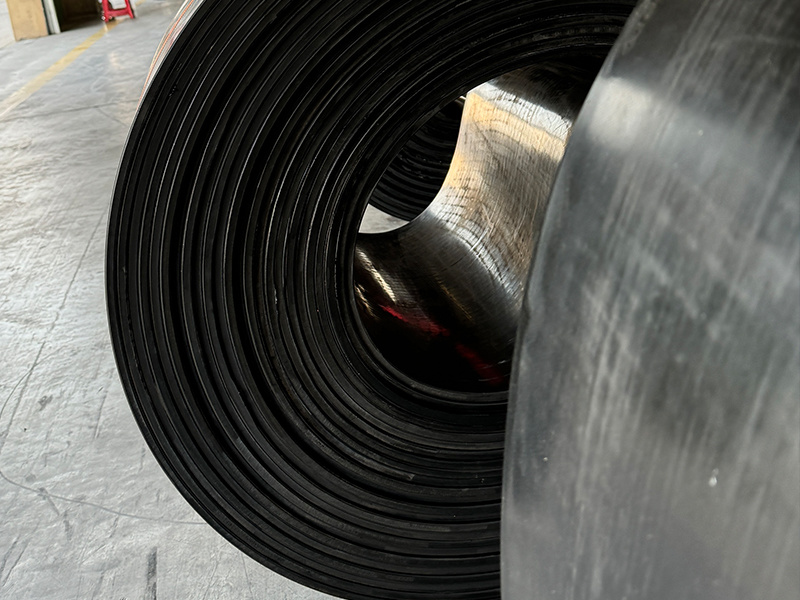
If PVC conveyor belt is to be hemmed, it usually needs 2 cloth and 2 glue or more to be suitable for hemming. First, separate the cloth surface from the glue surface, and then wrap the edge with the glue surface on the surface, so that the hemming is completed. And the use of hot melt process, the edge of the bag and the conveyor belt as a whole.