
Choosing the Right Steeply Inclined Conveyor Belt for Your Project Needs
2026-03-21


Choosing the Right Steeply Inclined Conveyor Belt for Your Project Needs
Introduction
In the world of engineering and construction machinery, selecting the right steeply inclined conveyor belt is critical for the efficiency and success of any project. These conveyor systems are essential for transporting materials across challenging gradients, ensuring both safety and productivity. In this compreh
Choosing the Right Steeply Inclined Conveyor Belt for Your Project Needs
Introduction
In the world of engineering and construction machinery, selecting the right steeply inclined conveyor belt is critical for the efficiency and success of any project. These conveyor systems are essential for transporting materials across challenging gradients, ensuring both safety and productivity. In this comprehensive guide, we will delve into the various considerations that go into choosing the perfect steeply inclined conveyor belt, from technical specifications to practical applications.
Understanding Steeply Inclined Conveyor Belts
To make an informed decision regarding the best conveyor belt for your needs, it's important to first understand what steeply inclined conveyor belts are and how they function.
What Are Steeply Inclined Conveyor Belts?
Steeply inclined conveyor belts are designed to transport materials at steep angles, often exceeding a 30-degree gradient. This capability allows for efficient movement of bulk materials, such as soil, gravel, and aggregates, in settings where space is limited or where traditional flat conveyors cannot operate effectively.
Types of Steeply Inclined Conveyor Belts
There are several types of steeply inclined conveyor belts, each suitable for different applications:
1. **Chevron Belts**: Featuring raised patterns, these belts effectively grip materials, preventing sliding and enabling transport at steep angles.
2. **Modular Belts**: Composed of interlocking plastic segments, these belts are versatile and can be easily customized for specific project needs.
3. **Pipe Belts**: Designed to form a tubular shape, pipe belts are ideal for transporting materials securely over long distances and steep gradients.
Key Factors to Consider When Choosing a Conveyor Belt
Selecting the right conveyor belt involves evaluating several key factors that can impact performance and efficiency.
Material of Construction
The material of the conveyor belt is paramount. Options include rubber, fabric, or plastic, each offering distinct advantages:
- **Rubber Belts**: Known for their durability and flexibility, rubber belts can handle heavy loads and are resistant to wear.
- **Fabric Belts**: Lightweight and cost-effective, fabric belts are suitable for lighter materials and less intensive applications.
- **Plastic Belts**: These belts are corrosion-resistant and ideal for applications involving chemicals or moisture.
Angle of Inclination
The angle of inclination is another critical factor. While some projects may require steep inclines, others may benefit from a more gradual slope. Understanding the specific requirements of your project will help you determine the optimal angle.
Load Capacity
It's essential to assess the load capacity required for your project. Calculate the total weight of the materials you plan to transport and choose a conveyor belt that can handle this load without compromising safety or efficiency.
Length and Width of the Conveyor Belt
The dimensions of the conveyor belt play a significant role in its effectiveness. Longer belts may require additional support structures, while wider belts can accommodate larger loads. Ensure that the selected belt fits the specific needs of your project.
Applications of Steeply Inclined Conveyor Belts
Steeply inclined conveyor belts find applications across various industries. Understanding these applications can help you identify how best to integrate them into your project.
Mining and Quarrying
In mining and quarrying, steeply inclined conveyor belts are indispensable for transporting mined materials over complex terrains. Their ability to navigate steep gradients makes them an essential component of material handling systems in these industries.
Construction Sites
Construction sites often feature challenging landscapes, making the need for efficient material transport critical. Steeply inclined conveyor belts enable the swift movement of aggregates, soil, and debris, saving time and labor costs.
Recycling Facilities
In recycling operations, conveyor belts assist in sorting and processing materials. Steeply inclined designs help transport recyclables from one processing stage to another, enhancing overall efficiency.
Technical Specifications to Evaluate
When selecting a steeply inclined conveyor belt, several technical specifications must be evaluated to ensure compatibility with your project.
Conveyor Belt Thickness
The thickness of the conveyor belt affects durability and performance. Thicker belts provide increased strength and longevity, while thinner belts may be more flexible and lightweight.
Surface Texture
The surface texture of the conveyor belt can influence material handling. Rougher surfaces enhance grip, reducing the chances of slippage, while smoother surfaces may be suitable for specific applications.
Temperature Resistance
Depending on the materials being transported, temperature resistance may be a crucial factor. Ensure the selected conveyor belt can withstand the temperatures encountered in your specific application.
Best Practices for Installation and Maintenance
Proper installation and maintenance of steeply inclined conveyor belts are essential for optimal performance and longevity.
Installation Tips
1. **Site Preparation**: Ensure the installation site is adequately prepared, with proper alignment and support structures in place.
2. **Professional Assistance**: Consider hiring professionals for installation to ensure that all technical specifications are met.
3. **Testing**: Conduct thorough testing post-installation to ensure functionality and safety.
Maintenance Strategies
1. **Regular Inspections**: Frequently inspect the conveyor belt for signs of wear, damage, or misalignment.
2. **Lubrication**: Keep moving parts lubricated to reduce friction and wear over time.
3. **Replacement**: Be proactive in replacing worn-out belts to prevent costly downtime and safety hazards.
Cost Considerations
Understanding the costs associated with selecting and maintaining steeply inclined conveyor belts is critical for budgeting your project.
Initial Investment
The initial cost of a conveyor belt can vary significantly based on factors like material, design, and length. While it may be tempting to opt for the lowest-cost option, consider the long-term return on investment.
Operational Costs
Operational costs, including energy consumption, maintenance, and potential downtime, should also be factored into your budget. A more durable, efficient belt may save money in the long run.
Choosing the Right Manufacturer
Selecting a reputable manufacturer is vital to ensuring the quality and reliability of your steeply inclined conveyor belt.
Reputation and Experience
Research manufacturers with a strong reputation in the industry and extensive experience in producing steeply inclined conveyor systems.
Customer Support and Warranty
Assess the level of customer support offered by the manufacturer, as well as the warranty provided on their products. A robust warranty can protect your investment.
FAQs about Steeply Inclined Conveyor Belts
1. What is the maximum angle for a steeply inclined conveyor belt?
The maximum angle typically ranges from 30 to 45 degrees, depending on the design and intended use of the conveyor belt.
2. How do I determine the right conveyor belt material for my needs?
Consider the type of materials being transported, environmental conditions, and the load capacity required to make your decision.
3. Can steeply inclined conveyor belts be customized?
Yes, many manufacturers offer customizable options based on length, width, and material type to suit specific project requirements.
4. What maintenance is required for steeply inclined conveyor belts?
Regular inspections, lubrication of moving parts, and timely replacement of worn belts are essential for maintaining optimal performance.
5. Are steeply inclined conveyor belts energy-efficient?
Yes, depending on the design and materials used, steeply inclined conveyor belts can be energy-efficient, especially when compared to other material transport methods.
Conclusion
In conclusion, selecting the right steeply inclined conveyor belt is a critical decision for any engineering or construction project. By understanding the various types, technical specifications, and application scenarios, you can make an informed choice that enhances efficiency and reliability. Prioritize quality, manufacturer reputation, and adherence to best practices in installation and maintenance to ensure your conveyor system performs optimally throughout its lifespan. Investing time and resources in this selection process will yield significant benefits in the successful completion of your project.
Keywords:
Latest News
Why do PVC conveyor belts need to be wrapped?
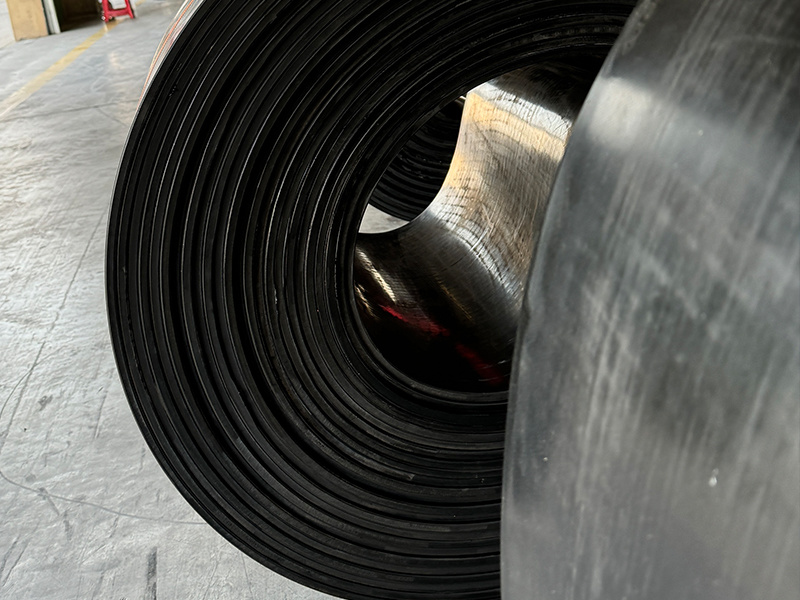
If PVC conveyor belt is to be hemmed, it usually needs 2 cloth and 2 glue or more to be suitable for hemming. First, separate the cloth surface from the glue surface, and then wrap the edge with the glue surface on the surface, so that the hemming is completed. And the use of hot melt process, the edge of the bag and the conveyor belt as a whole.