The Benefits of Using Steeply Inclined Conveyor Belts in Heavy Equipment
2026-04-20


The Benefits of Using Steeply Inclined Conveyor Belts in Heavy Equipment
Table of Contents
1. Introduction to Steeply Inclined Conveyor Belts
2. What Are Steeply Inclined Conveyor Belts?
3. Key Applications of Steeply Inclined Conveyor Belts in Heavy Equipment
4. Advantages of Using Steeply Inclined Conveyor Belts
5. Design Considerations for Effective Use
6. Maintenance Best Practice
The Benefits of Using Steeply Inclined Conveyor Belts in Heavy Equipment
Table of Contents
- 1. Introduction to Steeply Inclined Conveyor Belts
- 2. What Are Steeply Inclined Conveyor Belts?
- 3. Key Applications of Steeply Inclined Conveyor Belts in Heavy Equipment
- 4. Advantages of Using Steeply Inclined Conveyor Belts
- 5. Design Considerations for Effective Use
- 6. Maintenance Best Practices for Inclined Conveyor Belts
- 7. Case Studies: Success Stories in Heavy Equipment
- 8. Future Trends in Conveyor Technology
- 9. Frequently Asked Questions
- 10. Conclusion
1. Introduction to Steeply Inclined Conveyor Belts
In the realm of heavy equipment and material handling, the efficiency and effectiveness of transporting materials can significantly impact productivity and operational success. **Steeply inclined conveyor belts** have emerged as a vital solution for industries such as mining, construction, and waste management. These specialized systems enable the vertical or steep transport of materials, overcoming traditional barriers associated with flat conveyor systems.
2. What Are Steeply Inclined Conveyor Belts?
Steeply inclined conveyor belts are designed to move bulk materials at angles that exceed the standard incline typically permitted by conventional belt systems. These belts utilize innovative designs and materials to prevent material slippage and ensure smooth transportation, even at steep angles. They are often equipped with **cleats** or **sidewall structures** to hold materials in place, making them ideal for transporting a wide range of substances, from aggregates to recyclables.
3. Key Applications of Steeply Inclined Conveyor Belts in Heavy Equipment
Steeply inclined conveyor belts find application across various industries, including:
3.1 Mining and Quarrying
In the mining sector, these conveyor systems are crucial for transporting materials like coal, ore, and aggregates from lower levels to processing areas.
3.2 Construction Sites
In construction, they facilitate the movement of heavy materials such as concrete, gravel, and sand, minimizing labor costs and maximizing efficiency.
3.3 Waste Management
Steeply inclined conveyor belts are essential for sorting and transporting recyclables and waste materials, helping to streamline operations in recycling facilities.
3.4 Agriculture
These systems are employed to transport grain and other agricultural products, enhancing productivity while reducing manual labor.
4. Advantages of Using Steeply Inclined Conveyor Belts
Integrating steeply inclined conveyor belts into heavy equipment operations offers numerous benefits:
4.1 Space Efficiency
By allowing for vertical transport, these conveyor systems minimize the footprint required for material handling, freeing up valuable floor space for other operations.
4.2 Increased Productivity
With the ability to transport materials quickly and efficiently at steep angles, businesses can significantly enhance their operational throughput, reducing downtime.
4.3 Reduced Labor Costs
Automating the transport of heavy materials minimizes the need for manual handling, leading to lower labor costs and reduced risk of workplace injuries.
4.4 Versatility
Steeply inclined conveyor belts can handle a wide range of materials, making them suitable for various industries and applications.
4.5 Improved Material Handling
By employing advanced designs, these conveyor systems can reduce material degradation and ensure that products reach their destination intact.
5. Design Considerations for Effective Use
When implementing steeply inclined conveyor belts, several design factors must be considered to maximize their effectiveness:
5.1 Angle of Incline
Selecting the appropriate incline angle is crucial for operational efficiency. Depending on the material being transported, angles can typically range from 30 to 60 degrees.
5.2 Material Selection
Choosing the right materials for the belt and cleats is essential to withstand wear and tear, especially in harsh environments.
5.3 Drive Mechanism
The type of drive system, whether electric or hydraulic, can significantly influence performance and efficiency.
5.4 Safety Features
Incorporating safety mechanisms such as emergency stops, guards, and alarms is vital to ensure worker safety during operation.
6. Maintenance Best Practices for Inclined Conveyor Belts
To ensure the longevity and reliability of steeply inclined conveyor belts, regular maintenance is essential. Here are some best practices:
6.1 Routine Inspections
Conducting regular inspections allows for the early detection of wear and tear, preventing costly breakdowns.
6.2 Lubrication
Proper lubrication of moving parts reduces friction and wear, extending the lifespan of the conveyor system.
6.3 Cleaning
Keeping the conveyor belt clean from debris and material buildup is essential to maintain efficiency and prevent slippage.
6.4 Training Personnel
Ensuring that operators are well-trained in both operation and maintenance will enhance safety and efficiency.
7. Case Studies: Success Stories in Heavy Equipment
Several companies have reaped significant benefits from implementing steeply inclined conveyor belts:
7.1 Mining Success in Australia
A mining company in Australia integrated steeply inclined conveyor systems to transport ore from underground mines to surface processing plants, resulting in a 40% increase in operational efficiency.
7.2 Construction Optimization in Europe
A construction firm in Europe adopted inclined conveyor technology to transport concrete, resulting in reduced labor costs and faster project completion times.
8. Future Trends in Conveyor Technology
As industries evolve, so do the technologies that support them. Key trends include:
8.1 Automation
The integration of automation technologies will continue to enhance conveyor systems, improving speed and reducing human error.
8.2 Smart Sensors
The use of IoT-powered sensors will provide real-time monitoring of conveyor performance, enabling predictive maintenance and enhancing safety.
8.3 Eco-Friendly Materials
As sustainability becomes more critical, conveyor belt manufacturers are exploring eco-friendly materials to reduce environmental impact.
9. Frequently Asked Questions
9.1 What materials can be transported using steeply inclined conveyor belts?
Steeply inclined conveyor belts can transport various materials, including aggregates, coal, recyclables, and agricultural products.
9.2 How steep can a conveyor belt incline be?
Typically, incline angles can range from 30 to 60 degrees, depending on the material and specific application.
9.3 What is the average lifespan of a steeply inclined conveyor belt?
With proper maintenance, a well-designed inclined conveyor belt can last several years, often between 5 to 10 years.
9.4 Are steeply inclined conveyor belts safe to operate?
Yes, when equipped with appropriate safety features and operated by trained personnel, these conveyor systems can be safe.
9.5 What are the major costs associated with steeply inclined conveyor belts?
Costs can include initial installation, maintenance, and potential upgrades to improve efficiency and technology integration.
10. Conclusion
Steeply inclined conveyor belts represent a transformative solution for industries reliant on heavy equipment and material handling. Their ability to transport materials efficiently at steep angles not only streamlines operations but also yields significant productivity gains, cost reductions, and safety improvements. By understanding their design considerations, maintenance needs, and future trends, businesses can leverage these innovative systems to stay competitive in a rapidly evolving market.
Keywords:
Latest News
Why do PVC conveyor belts need to be wrapped?
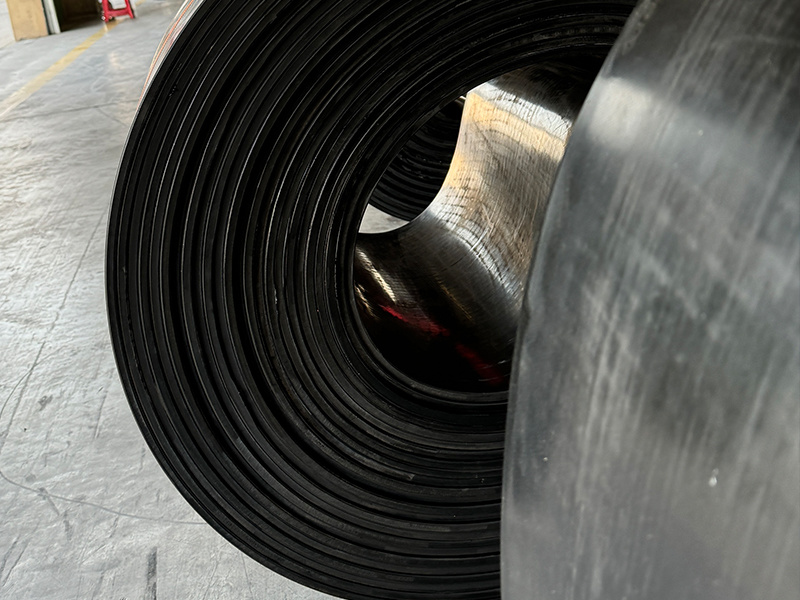
If PVC conveyor belt is to be hemmed, it usually needs 2 cloth and 2 glue or more to be suitable for hemming. First, separate the cloth surface from the glue surface, and then wrap the edge with the glue surface on the surface, so that the hemming is completed. And the use of hot melt process, the edge of the bag and the conveyor belt as a whole.