The Future of Conveyor Belt Technology: Focus on Nylon
2026-04-26


The Future of Conveyor Belt Technology: Focus on Nylon
Table of Contents
Introduction to Conveyor Belt Technology
Historical Overview of Conveyor Belt Development
Unique Properties of Nylon in Conveyor Belts
Applications of Nylon Conveyor Belts in Various Industries
Advantages of Using Nylon in Conveyor Systems
Sustainability and the Future of Nylon Conveyor Belts
Tech
The Future of Conveyor Belt Technology: Focus on Nylon
Table of Contents
- Introduction to Conveyor Belt Technology
- Historical Overview of Conveyor Belt Development
- Unique Properties of Nylon in Conveyor Belts
- Applications of Nylon Conveyor Belts in Various Industries
- Advantages of Using Nylon in Conveyor Systems
- Sustainability and the Future of Nylon Conveyor Belts
- Technological Advancements in Conveyor Belt Manufacturing
- Future Trends in Conveyor Belt Technology
- Frequently Asked Questions
- Conclusion
Introduction to Conveyor Belt Technology
Conveyor belt technology has revolutionized the way materials are transported across various industries. These systems have become a backbone in manufacturing, logistics, and construction sectors. With the increasing demand for efficiency and sustainability, the focus on materials that enhance performance while minimizing environmental impact has never been more critical. Among these materials, **nylon** stands out for its remarkable properties and versatility.
This article delves into the future of conveyor belt technology with a particular emphasis on nylon, exploring its unique characteristics, applications, advantages, and the emerging trends that will shape its role in engineering and construction machinery.
Historical Overview of Conveyor Belt Development
The journey of conveyor belts began in the late 18th century, primarily designed for transporting bulk materials. The earliest forms of conveyor systems were rudimentary, often made from wood and leather. As industries evolved, so did the materials and technology used in conveyor belts.
By the mid-20th century, advancements in synthetic materials led to the introduction of rubber and nylon belts. Nylon, created in the 1930s, quickly gained popularity due to its strength, elasticity, and resistance to abrasion and chemicals. This transition marked a significant turning point in conveyor belt technology, setting the stage for today's advanced systems.
Unique Properties of Nylon in Conveyor Belts
Nylon is renowned for several properties that make it an ideal choice for conveyor belts:
1. Strength and Durability
Nylon exhibits exceptional tensile strength, enabling conveyor belts to withstand heavy loads without compromising integrity. This strength ensures longer service life, reducing the need for frequent replacements.
2. Flexibility and Elasticity
The flexibility of nylon allows for the production of belts that can navigate curves and inclines, making them suitable for various configurations within facilities. Additionally, its elastic nature helps absorb shock and reduce wear.
3. Resistance to Chemicals and Abrasion
Nylon conveyor belts are highly resistant to chemicals and abrasives, making them ideal for environments where exposure to harsh substances is common. This property not only enhances performance but also contributes to safety.
4. Lightweight
Compared to traditional materials, nylon is lightweight, which reduces the overall weight of the conveyor system, leading to lower energy consumption during operation.
Applications of Nylon Conveyor Belts in Various Industries
Nylon conveyor belts are employed across multiple sectors, including:
1. Manufacturing
In manufacturing, nylon belts facilitate the movement of materials between different production stages. Their durability ensures that they can handle heavy machinery and components without faltering.
2. Food Processing
Due to their resistance to chemicals, nylon conveyor belts are widely used in food processing plants. They can easily be sanitized, ensuring compliance with hygiene standards.
3. Mining and Quarrying
In mining operations, nylon conveyor belts are invaluable for transporting ore and other materials. Their strength and resistance to wear and tear make them ideal for harsh conditions.
4. Logistics and Warehousing
Nylon conveyor systems streamline logistics operations by efficiently moving packages and goods through warehouses. This efficiency is crucial for meeting the demands of e-commerce.
Advantages of Using Nylon in Conveyor Systems
The choice of nylon as a material for conveyor belts comes with numerous advantages:
1. Enhanced Performance
Nylon belts provide superior performance, allowing for uninterrupted operation and increased productivity. Their ability to handle various loads contributes significantly to operational efficiency.
2. Cost-Effectiveness
Despite a potentially higher initial investment, the longevity and durability of nylon conveyor belts result in lower overall costs. Reduced maintenance and replacement needs translate to savings over time.
3. Customization
Nylon conveyor belts can be tailored to meet specific industry requirements, whether in terms of size, thickness, or surface texture. This customization ensures optimal performance for diverse applications.
4. Environmental Impact
With growing concerns about environmental sustainability, nylon's recyclability is a significant advantage. Many manufacturers are adopting practices that prioritize the use of recycled nylon, contributing to a circular economy.
Sustainability and the Future of Nylon Conveyor Belts
As industries transition toward more sustainable practices, the future of nylon conveyor belts looks promising. Innovations in recycling and the development of bio-based nylons are paving the way for environmentally friendly options. Companies are increasingly investing in research that focuses on creating nylon from renewable resources, minimizing the reliance on fossil fuels.
Furthermore, integrating nylon belts with smart technologies can enhance efficiency and reduce waste. Sensors that monitor wear and performance can help optimize maintenance schedules, further prolonging the life of conveyor systems.
Technological Advancements in Conveyor Belt Manufacturing
The conveyor belt manufacturing industry is undergoing rapid technological advancements that enhance the capabilities of nylon belts. Some notable innovations include:
1. Smart Conveyor Systems
The integration of IoT technology into conveyor systems allows for real-time monitoring and data analysis. This capability enables predictive maintenance, reducing downtime and improving overall efficiency.
2. Advanced Coating Techniques
Innovations in coating technology are enhancing the performance characteristics of nylon belts. These coatings provide additional resistance to chemicals, heat, and wear, further extending the service life of conveyor belts.
3. Automated Manufacturing Processes
Automation in the manufacturing process ensures precision and consistency in the production of nylon conveyor belts. This advancement not only improves quality but also reduces labor costs.
Future Trends in Conveyor Belt Technology
Looking ahead, several trends are likely to shape the conveyor belt technology landscape:
1. Increased Use of AI and Machine Learning
The application of AI and machine learning in supply chain logistics will enhance the efficiency of conveyor systems. These technologies can predict demand and adjust conveyor operations accordingly.
2. Focus on Customization
As industries become more specialized, the demand for customized conveyor systems will grow. Manufacturers will focus on developing bespoke solutions that cater to specific operational needs.
3. Emphasis on Energy Efficiency
With rising energy costs and environmental regulations, the demand for energy-efficient conveyor systems will drive innovation. Future nylon conveyor belts will be designed with enhanced energy-saving features.
4. Continued Research in Sustainable Materials
Ongoing research into sustainable materials and manufacturing processes will continue to influence the development of nylon conveyor belts. The industry will likely see a shift toward more environmentally friendly solutions.
Frequently Asked Questions
1. What are the main advantages of nylon conveyor belts over other materials?
Nylon conveyor belts offer superior strength, flexibility, resistance to chemicals and abrasion, and a lightweight design, making them ideal for various applications.
2. How can I determine the right conveyor belt material for my application?
Assessing factors such as load capacity, environmental conditions, and specific operational needs will help determine the suitable conveyor belt material.
3. Are nylon conveyor belts recyclable?
Yes, nylon conveyor belts are recyclable, and many manufacturers are exploring sustainable practices to reduce environmental impact.
4. What industries benefit the most from nylon conveyor belts?
Industries such as manufacturing, food processing, mining, and logistics significantly benefit from nylon conveyor belts due to their durability and performance.
5. How do technological advancements impact conveyor belt efficiency?
Technological advancements, such as IoT integration and automation, enhance efficiency by enabling real-time monitoring, predictive maintenance, and optimized operations.
Conclusion
The future of conveyor belt technology, particularly with a focus on nylon, is poised for significant advancements. As industries continue to evolve and demand more efficient, durable, and sustainable solutions, nylon conveyor belts will play a crucial role. Their unique properties, coupled with ongoing technological innovations, ensure that they remain at the forefront of conveyor system development. By prioritizing sustainability and customization, the conveyor belt industry is set to meet the challenges of tomorrow while delivering exceptional performance today.
Keywords:
Previous
Latest News
Why do PVC conveyor belts need to be wrapped?
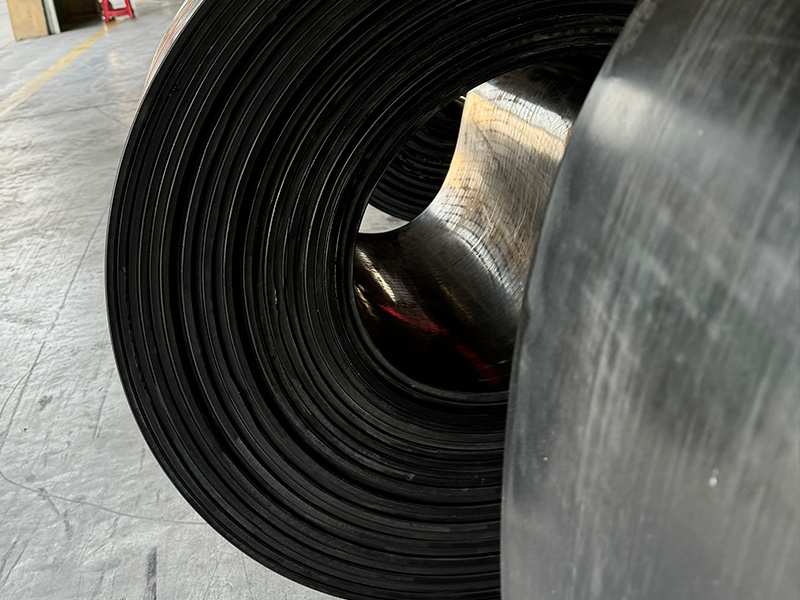
If PVC conveyor belt is to be hemmed, it usually needs 2 cloth and 2 glue or more to be suitable for hemming. First, separate the cloth surface from the glue surface, and then wrap the edge with the glue surface on the surface, so that the hemming is completed. And the use of hot melt process, the edge of the bag and the conveyor belt as a whole.