Maximizing Efficiency with Steeply Inclined Conveyor Belts in Material Handling
2026-05-05


Steeply inclined conveyor belts are designed to handle the transportation of bulk materials at significant angles, typically exceeding 30 degrees. This innovative equipment is particularly beneficial in industries such as construction and mining, where space constraints and the need for efficient material handling are prevalent. The design of these belts allows for the movement of materials vertic
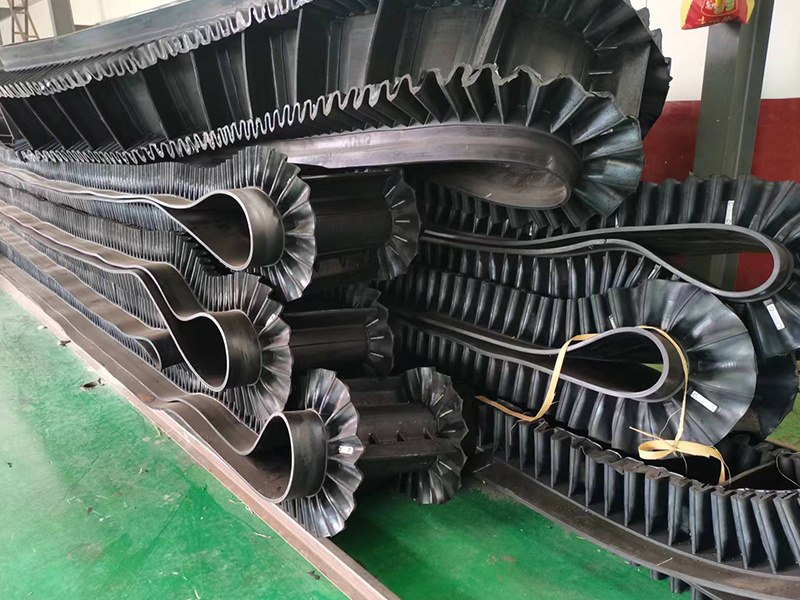
Steeply inclined conveyor belts are designed to handle the transportation of bulk materials at significant angles, typically exceeding 30 degrees. This innovative equipment is particularly beneficial in industries such as construction and mining, where space constraints and the need for efficient material handling are prevalent. The design of these belts allows for the movement of materials vertically, minimizing the footprint and maximizing productivity.
One of the key benefits of steeply inclined conveyor belts is their ability to reduce the risk of material spillage. The unique design features, often including cleated surfaces, ensure that materials remain securely on the belt, even when transported at steep angles. This not only enhances the safety of operations but also prevents loss of valuable materials during transportation, contributing to a more cost-effective process.
In terms of design and engineering, steeply inclined conveyor belts are manufactured using durable materials that can withstand the rigors of heavy-duty applications. The choice of materials, combined with a robust frame structure, ensures that the conveyor can handle various loads effectively. Additionally, the incorporation of adjustable angles allows operators to customize the conveyor to suit specific operational needs, further enhancing versatility.
From a technical perspective, steeply inclined conveyor belts utilize advanced drive systems that provide the necessary power to overcome the gravitational challenges associated with vertical transportation. These systems can be designed to facilitate various speeds, allowing for adjustments based on the type of material being transported and the required throughput. The integration of sensors and automation technologies can also improve monitoring and control, ensuring optimal performance and efficiency.
Moreover, maintenance plays a crucial role in the longevity and reliability of steeply inclined conveyor belts. Regular inspections and timely servicing are essential to prevent unexpected downtimes and ensure that the conveyor operates at peak efficiency. Operators should be trained to recognize potential issues and perform routine checks, which will contribute to the overall lifespan of the equipment.
In conclusion, steeply inclined conveyor belts are an invaluable asset within the manufacturing and construction sectors. Their ability to facilitate efficient material handling over steep gradients makes them an ideal choice for various applications. By understanding the technical aspects and benefits of these conveyors, industry professionals can enhance their operations, reduce material loss, and improve overall productivity. Investing in the right technology will ultimately lead to a more streamlined and effective material handling process.
One of the key benefits of steeply inclined conveyor belts is their ability to reduce the risk of material spillage. The unique design features, often including cleated surfaces, ensure that materials remain securely on the belt, even when transported at steep angles. This not only enhances the safety of operations but also prevents loss of valuable materials during transportation, contributing to a more cost-effective process.
In terms of design and engineering, steeply inclined conveyor belts are manufactured using durable materials that can withstand the rigors of heavy-duty applications. The choice of materials, combined with a robust frame structure, ensures that the conveyor can handle various loads effectively. Additionally, the incorporation of adjustable angles allows operators to customize the conveyor to suit specific operational needs, further enhancing versatility.
From a technical perspective, steeply inclined conveyor belts utilize advanced drive systems that provide the necessary power to overcome the gravitational challenges associated with vertical transportation. These systems can be designed to facilitate various speeds, allowing for adjustments based on the type of material being transported and the required throughput. The integration of sensors and automation technologies can also improve monitoring and control, ensuring optimal performance and efficiency.
Moreover, maintenance plays a crucial role in the longevity and reliability of steeply inclined conveyor belts. Regular inspections and timely servicing are essential to prevent unexpected downtimes and ensure that the conveyor operates at peak efficiency. Operators should be trained to recognize potential issues and perform routine checks, which will contribute to the overall lifespan of the equipment.
In conclusion, steeply inclined conveyor belts are an invaluable asset within the manufacturing and construction sectors. Their ability to facilitate efficient material handling over steep gradients makes them an ideal choice for various applications. By understanding the technical aspects and benefits of these conveyors, industry professionals can enhance their operations, reduce material loss, and improve overall productivity. Investing in the right technology will ultimately lead to a more streamlined and effective material handling process.
Keywords:
Previous
Latest News
Why do PVC conveyor belts need to be wrapped?
If PVC conveyor belt is to be hemmed, it usually needs 2 cloth and 2 glue or more to be suitable for hemming. First, separate the cloth surface from the glue surface, and then wrap the edge with the glue surface on the surface, so that the hemming is completed. And the use of hot melt process, the edge of the bag and the conveyor belt as a whole.