Exploring Polyester Conveyor Belts: A Key Component in Manufacturing Processes
2026-05-14


Exploring Polyester Conveyor Belts: A Key Component in Manufacturing Processes
Manufacturing processes across various industries rely heavily on the efficient transportation of materials. One of the essential components facilitating this task is the **polyester conveyor belt**. Known for their durability, flexibility, and resistance to various environmental factors, polyester conveyor belts have b
Exploring Polyester Conveyor Belts: A Key Component in Manufacturing Processes
Manufacturing processes across various industries rely heavily on the efficient transportation of materials. One of the essential components facilitating this task is the **polyester conveyor belt**. Known for their durability, flexibility, and resistance to various environmental factors, polyester conveyor belts have become a staple in manufacturing operations. This article explores the significant role of polyester conveyor belts in manufacturing processes, delving into their characteristics, applications, advantages, and maintenance practices.
Table of Contents
- What Are Polyester Conveyor Belts?
- Advantages of Polyester Conveyor Belts
- Applications of Polyester Conveyor Belts
- How Polyester Conveyor Belts Work
- Maintenance of Polyester Conveyor Belts
- Environmental Impact of Polyester Conveyor Belts
- The Future of Polyester Conveyor Belts
- FAQs
What Are Polyester Conveyor Belts?
Polyester conveyor belts are industrial belts made primarily from polyester fibers, which provide a robust structure and contribute to overall performance. These belts are designed to transport materials efficiently in various manufacturing processes, from assembly lines to packaging systems. Polyester, as a material, offers several benefits such as high tensile strength, low moisture absorption, and resistance to abrasion, making it suitable for challenging environments.
The manufacturing process of polyester conveyor belts involves weaving polyester fibers into a fabric that is then coated with a polymer, enhancing its durability and facilitating the transportation of goods. This combination results in a belt that is not only strong but also lightweight, allowing for easy handling and installation.
Advantages of Polyester Conveyor Belts
The advantages of polyester conveyor belts are numerous, making them a preferred choice in various industries. Here are some key benefits:
1. High Strength and Durability
Polyester conveyor belts are renowned for their high tensile strength, enabling them to withstand heavy loads and resist stretching. This durability translates into a longer lifespan, reducing the need for frequent replacements and thus lowering operational costs.
2. Resistance to Environmental Factors
These belts exhibit excellent resistance to moisture, chemicals, and extreme temperatures. This characteristic makes polyester conveyor belts suitable for use in diverse environments, including food processing, pharmaceuticals, and construction.
3. Lightweight and Flexible
The lightweight nature of polyester conveyor belts makes them easy to install and manage. Their flexibility allows for smooth operation around pulleys and other components, reducing wear and tear on the entire conveyor system.
4. Cost-Effectiveness
The combination of durability, reduced maintenance, and longer lifespan makes polyester conveyor belts a cost-effective solution in the long run. Industries can save significant amounts in replacement and operational costs by investing in these belts.
5. Customization Options
Manufacturers can customize polyester conveyor belts to meet specific application requirements. This includes varying thickness, width, length, and surface texture, ensuring optimal performance across different materials and processes.
Applications of Polyester Conveyor Belts
Polyester conveyor belts find applications in a multitude of industries due to their versatility and reliability. Below are some prominent sectors where these belts are used:
1. Food Processing
In the food industry, polyester conveyor belts are used for transporting products through processing lines. Their resistance to moisture and easy-to-clean surfaces make them ideal for maintaining hygiene standards.
2. Packaging
In packaging operations, polyester conveyor belts help in the efficient movement of goods, from assembly to labeling and packing. Their lightweight nature enhances the speed of operations.
3. Mining and Construction
The mining and construction industries utilize polyester conveyor belts for transporting materials like sand, gravel, and minerals. Their durability ensures they can handle the rough conditions often encountered in these environments.
4. Automotive Manufacturing
In automotive manufacturing, polyester conveyor belts are integral in moving components along assembly lines. Their reliability ensures a smooth workflow, contributing to higher productivity levels.
5. Electronics
The electronics industry uses polyester conveyor belts for transporting delicate components. Their customizable features allow for precision handling without damage.
How Polyester Conveyor Belts Work
Polyester conveyor belts operate through a straightforward mechanism. They are designed to move in a continuous loop over pulleys and rollers, which are powered by electric motors. The belts utilize friction to grip the materials placed on them, ensuring a steady flow during transportation.
The construction of polyester conveyor belts, which includes a woven fabric core and a polymer coating, facilitates smooth movement and prevents slippage. The belts are typically installed on a conveyor system, where they can be adjusted for speed and direction based on the specific needs of the manufacturing process.
Maintenance of Polyester Conveyor Belts
Proper maintenance of polyester conveyor belts is essential to ensure their longevity and optimal performance. Here are some effective maintenance practices:
1. Regular Inspections
Conduct routine inspections of the conveyor belts to check for signs of wear, damage, or misalignment. Early detection of issues can prevent costly repairs and downtime.
2. Cleaning
Keep the belts clean to prevent material buildup, which can lead to slippage and degradation. Use appropriate cleaning agents that do not damage the polyester material.
3. Tension Adjustment
Ensure that the belt tension is properly adjusted to promote smooth operation. Improper tension can lead to excessive wear or slippage.
4. Lubrication of Components
Regularly lubricate the conveyor system’s moving parts to reduce friction and wear. This practice enhances the overall efficiency of the conveyor system.
5. Replacement of Worn Parts
Replace any worn or damaged components promptly to maintain the integrity of the conveyor system and avoid interruptions in production.
Environmental Impact of Polyester Conveyor Belts
The production and use of polyester conveyor belts come with environmental considerations. While polyester is a synthetic material, advancements in recycling technologies are paving the way for more sustainable practices.
1. Recycling Initiatives
Many manufacturers are now focusing on recycling polyester materials to reduce waste. This initiative helps in minimizing the environmental footprint associated with the production of new belts.
2. Eco-Friendly Manufacturing Practices
The manufacturing processes for polyester conveyor belts are evolving to incorporate eco-friendly practices, such as reducing energy consumption and using less harmful chemicals.
3. Life Cycle Assessments
Conducting life cycle assessments can provide insights into the environmental impact of polyester conveyor belts from production to disposal. This information can help manufacturers make informed decisions that promote sustainability.
The Future of Polyester Conveyor Belts
The future of polyester conveyor belts looks promising, with ongoing innovations aimed at enhancing their performance and sustainability. Emerging trends include:
1. Smart Conveyor Systems
Integration of technology into conveyor systems, such as sensors and IoT devices, is becoming more prevalent. These advancements allow for real-time monitoring and predictive maintenance, reducing downtime.
2. Sustainable Materials
Research into alternative materials and composites is underway, aiming to create more sustainable conveyor belts without compromising on performance.
3. Enhanced Customization
As industries evolve, the demand for custom solutions increases. Future polyester conveyor belts will likely offer even more tailored options to meet specific operational needs.
FAQs
1. What is the lifespan of polyester conveyor belts?
The lifespan of polyester conveyor belts can vary based on usage, maintenance, and environmental conditions. Generally, with proper care, they can last several years.
2. Are polyester conveyor belts resistant to chemicals?
Yes, polyester conveyor belts are designed to resist many chemicals, making them suitable for various industrial applications.
3. Can polyester conveyor belts be customized?
Absolutely. Manufacturers can customize polyester conveyor belts in terms of thickness, width, length, and surface texture to meet specific requirements.
4. How do I maintain polyester conveyor belts?
Regular inspections, cleaning, tension adjustments, lubrication of components, and prompt replacement of worn parts are key maintenance practices.
5. What industries commonly use polyester conveyor belts?
Polyester conveyor belts are commonly used in food processing, packaging, mining, construction, automotive manufacturing, and electronics industries.
Conclusion
In conclusion, polyester conveyor belts are a crucial component in modern manufacturing processes, offering numerous advantages such as durability, flexibility, and cost-effectiveness. Their versatility allows them to be used across various industries, enhancing operational efficiency and productivity. As technology continues to evolve, the future of polyester conveyor belts promises further innovations and sustainable practices, paving the way for even more efficient manufacturing solutions. By understanding their characteristics and implementing proper maintenance, businesses can significantly optimize their material handling processes, ensuring success in an increasingly competitive landscape.
Keywords:
Latest News
Why do PVC conveyor belts need to be wrapped?
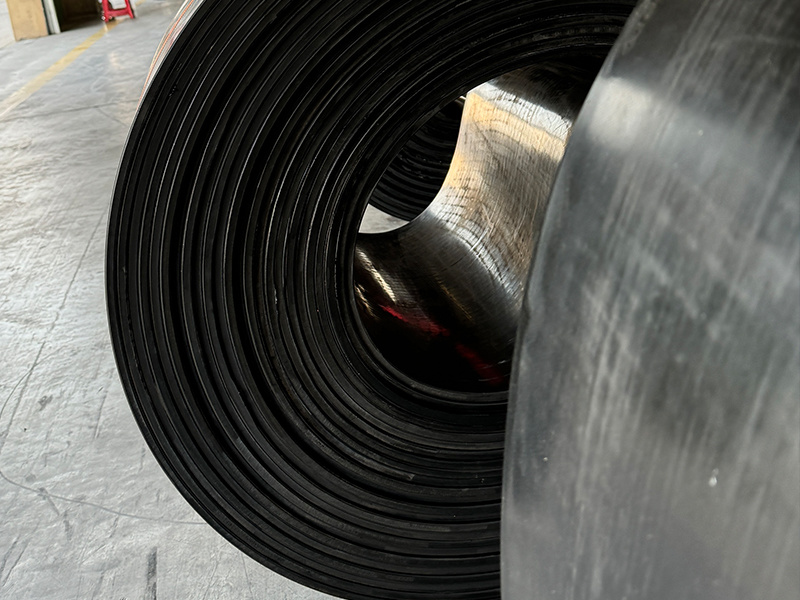
If PVC conveyor belt is to be hemmed, it usually needs 2 cloth and 2 glue or more to be suitable for hemming. First, separate the cloth surface from the glue surface, and then wrap the edge with the glue surface on the surface, so that the hemming is completed. And the use of hot melt process, the edge of the bag and the conveyor belt as a whole.