Permanent Magnetic Separators: A Game-Changer for Engineering Industries
2026-06-07


Permanent Magnetic Separators: A Game-Changer for Engineering Industries
Table of Contents
1. Introduction to Permanent Magnetic Separators
2. What Are Permanent Magnetic Separators?
3. How Do Permanent Magnetic Separators Work?
4. Key Benefits and Advantages of Using Permanent Magnetic Separators
5. Applications of Permanent Magnetic Separators in Engineering Industries
6
Permanent Magnetic Separators: A Game-Changer for Engineering Industries
Table of Contents
- 1. Introduction to Permanent Magnetic Separators
- 2. What Are Permanent Magnetic Separators?
- 3. How Do Permanent Magnetic Separators Work?
- 4. Key Benefits and Advantages of Using Permanent Magnetic Separators
- 5. Applications of Permanent Magnetic Separators in Engineering Industries
- 6. How to Select the Right Permanent Magnetic Separator
- 7. Maintenance Tips for Permanent Magnetic Separators
- 8. Future Trends in Magnetic Separation Technology
- 9. Frequently Asked Questions
- 10. Conclusion
1. Introduction to Permanent Magnetic Separators
In the rapidly evolving landscape of the engineering sector, **Permanent Magnetic Separators** have emerged as a pivotal innovation that is changing the way materials are processed and handled. These separators utilize a magnetic field to remove ferrous materials from non-ferrous products, ensuring a higher purity level in the final output. As industries aim to enhance operational efficiency and minimize waste, the adoption of these separators has become increasingly prevalent.
2. What Are Permanent Magnetic Separators?
Permanent Magnetic Separators are devices designed to separate magnetic materials from non-magnetic materials in various industrial processes. Unlike electromagnets, which require an external power source to generate a magnetic field, permanent magnets maintain their magnetism indefinitely without an energy supply. This characteristic makes them economically advantageous for continuous operation.
Permanent Magnetic Separators come in various configurations, including:
- **Overband Magnetic Separators**
- **Drum Magnetic Separators**
- **Magnetic Pulleys**
- **Magnetic Grates**
Each type of separator serves specific purposes depending on the application and the material being processed.
3. How Do Permanent Magnetic Separators Work?
The operation of Permanent Magnetic Separators relies fundamentally on the principles of magnetism. When materials pass through the magnetic field created by these separators, ferrous materials are attracted to the magnet while non-ferrous materials continue in their path.
**Key Steps in the Separation Process:**
1. **Material Feed**: Raw materials are fed into the separator.
2. **Magnetic Attraction**: The magnetic field captures ferrous particles.
3. **Material Discharge**: Non-magnetic materials exit the system, while collected ferrous materials are removed for further processing or disposal.
This simple yet effective process not only enhances the quality of products but also protects downstream equipment from damage caused by metallic contaminants.
4. Key Benefits and Advantages of Using Permanent Magnetic Separators
The implementation of Permanent Magnetic Separators brings numerous benefits to engineering industries:
1. **Enhanced Product Quality**: By efficiently removing metal contaminants, these separators ensure that the final product meets high-quality standards, which is essential for customer satisfaction and compliance.
2. **Cost-Effective Operation**: As they do not require an external power supply, Permanent Magnetic Separators offer lower operational costs compared to electromagnetic counterparts.
3. **Minimal Maintenance**: With no moving parts and durable construction, these separators require minimal maintenance, leading to decreased downtime and increased productivity.
4. **Versatility**: They can be used across various applications, including recycling, mining, food processing, and pharmaceuticals, demonstrating their adaptability in different engineering sectors.
5. **Environmental Benefits**: By improving material recovery and reducing waste, these separators contribute to more sustainable manufacturing practices.
5. Applications of Permanent Magnetic Separators in Engineering Industries
Permanent Magnetic Separators find extensive applications across various engineering sectors. Some notable applications include:
- **Mining and Mineral Processing**: Used to separate iron from ores, enhancing the purity of extracted minerals.
- **Recycling**: Essential for removing metal contaminants from waste streams, thereby improving the quality of recycled materials.
- **Construction Materials**: Employed in the production of concrete and asphalt to ensure that no metal debris compromises structural integrity.
- **Food Industry**: Critical in ensuring food safety by removing ferrous contaminants before products reach consumers.
Each application highlights the importance of magnetic separation technology in promoting efficiency and safety in engineering processes.
6. How to Select the Right Permanent Magnetic Separator
When choosing a Permanent Magnetic Separator, several factors must be considered to ensure that the selected unit meets specific operational requirements:
1. **Material Characteristics**: Understand the type and size of materials being processed, as these will influence the design and configuration of the separator.
2. **Flow Rate**: Determine the throughput of material to ensure that the separator can handle the volume without compromising efficiency.
3. **Magnetic Strength**: Assess the required magnetic strength based on the dimensions and types of contaminants that need to be removed.
4. **Installation Space**: Evaluate the available space for installation to choose a separator that fits within your operational layout.
5. **Cost Considerations**: Factor in not just the initial purchase price but also long-term operational and maintenance costs.
By carefully analyzing these factors, industries can make informed decisions that enhance productivity and effectiveness.
7. Maintenance Tips for Permanent Magnetic Separators
To ensure optimal performance and longevity of Permanent Magnetic Separators, regular maintenance is essential. Here are some maintenance tips:
1. **Routine Inspections**: Regularly check for signs of wear and tear, ensuring that the magnetic strength remains effective.
2. **Cleaning**: Periodically clean the magnetic surfaces to prevent buildup that can hinder performance. This is especially important in industries like food processing.
3. **Alignment Check**: Ensure that the separator is properly aligned to maximize its efficiency and prevent unnecessary wear.
4. **Record Keeping**: Maintain logs of maintenance activities, including inspections and repairs, to track the performance and identify potential issues proactively.
5. **Professional Assistance**: For complex repairs or maintenance tasks, seek professional assistance to ensure that the separator operates optimally.
8. Future Trends in Magnetic Separation Technology
As technology continues to evolve, so does the field of magnetic separation. Several trends are anticipated to shape the future of Permanent Magnetic Separators:
1. **Automation and IoT Integration**: Enhanced data analytics and connectivity will enable real-time monitoring and predictive maintenance, improving operational efficiency.
2. **Advanced Materials**: Development of new magnetic materials may lead to stronger and more compact separators, further enhancing performance.
3. **Sustainability Focus**: As industries push for greener practices, magnetic separation technologies will be crucial in waste reduction and material recovery.
4. **Customization**: Increasing demand for tailored solutions will drive manufacturers to provide more customizable magnetic separation systems to meet specific industry needs.
5. **Research and Innovation**: Continuous research will lead to breakthroughs in magnetic separation processes, further enhancing their effectiveness and applications.
9. Frequently Asked Questions
What industries benefit the most from permanent magnetic separators?
Many industries benefit, including mining, recycling, construction, and food processing, all of which require high purity levels in their materials.
How do I know if I need a magnetic separator?
If your processes involve materials that can be contaminated with ferrous metals, or if you need to enhance product quality, a magnetic separator may be essential.
Are permanent magnetic separators expensive?
While the initial investment can vary, they tend to have lower operational costs over time compared to electromagnetic separators due to their lack of energy requirements.
Can permanent magnetic separators be used in wet applications?
Yes, some models are designed for wet applications, allowing them to effectively handle materials in slurry form.
What is the lifespan of a permanent magnetic separator?
With proper maintenance, permanent magnetic separators can last for many years, often exceeding a decade of effective service.
10. Conclusion
Permanent Magnetic Separators represent a significant advancement in the engineering industry, streamlining processes, enhancing product quality, and promoting sustainability. Their versatility and effectiveness make them invaluable assets across various sectors. By understanding their operation, benefits, and applications, industries can leverage this technology to optimize their operations and maintain a competitive edge. As magnetic separation technology continues to evolve, staying informed about the latest trends and innovations will be crucial for engineering professionals seeking to enhance their operational standards.
Keywords:
Previous
Latest News
Why do PVC conveyor belts need to be wrapped?
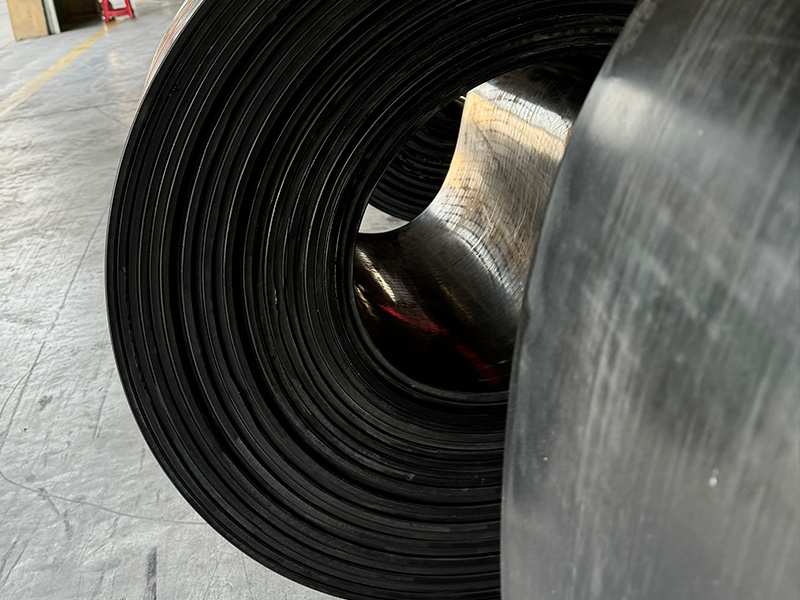
If PVC conveyor belt is to be hemmed, it usually needs 2 cloth and 2 glue or more to be suitable for hemming. First, separate the cloth surface from the glue surface, and then wrap the edge with the glue surface on the surface, so that the hemming is completed. And the use of hot melt process, the edge of the bag and the conveyor belt as a whole.