Polyester Conveyor Belts: The Ultimate Solution for Transportation Machinery
2026-06-13


Polyester Conveyor Belts: The Ultimate Solution for Transportation Machinery
Table of Contents
Introduction to Polyester Conveyor Belts
What Are Polyester Conveyor Belts?
Benefits of Polyester Conveyor Belts
Durability and Strength
Cost-Effectiveness
Lightweight and Flexibility
Resistance to Chemical and Thermal Factors
Polyester Conveyor Belts: The Ultimate Solution for Transportation Machinery
Table of Contents
- Introduction to Polyester Conveyor Belts
- What Are Polyester Conveyor Belts?
- Benefits of Polyester Conveyor Belts
- Durability and Strength
- Cost-Effectiveness
- Lightweight and Flexibility
- Resistance to Chemical and Thermal Factors
- Applications of Polyester Conveyor Belts
- Maintenance and Care Tips for Polyester Conveyor Belts
- Choosing the Right Polyester Conveyor Belt for Your Needs
- Emerging Trends and Future of Polyester Conveyor Belts
- Frequently Asked Questions
- Conclusion
Introduction to Polyester Conveyor Belts
The manufacturing and construction industries rely heavily on efficient material handling, making conveyor belts an integral part of this machinery. Among the various types of conveyor belts available, **polyester conveyor belts** have gained significant traction due to their unique properties. This article explores the multifaceted benefits of polyester conveyor belts as the ultimate solution for transportation machinery, ensuring seamless operations in diverse applications.
What Are Polyester Conveyor Belts?
Polyester conveyor belts are made from high-tenacity polyester fiber, which provides remarkable strength and flexibility. These belts are engineered for various industrial applications, ranging from construction sites to manufacturing plants. Their primary function is to transport materials efficiently and reliably, reducing downtime and enhancing productivity.
Benefits of Polyester Conveyor Belts
Polyester conveyor belts offer numerous advantages that make them a preferred choice in transportation machinery. Below, we delve into the key benefits that underline their popularity.
Durability and Strength
One of the standout features of polyester conveyor belts is their **durability**. These belts can withstand heavy loads and endure harsh working conditions. The **high tensile strength** of polyester allows for long-term usage without significant wear and tear. This strength minimizes the risk of breakage, ensuring a reliable transportation process.
Cost-Effectiveness
Adopting polyester conveyor belts can be a **cost-effective solution** for many businesses. Their durability translates to lower replacement and maintenance costs over time. Moreover, the lightweight nature of these belts contributes to improved energy efficiency, as they require less power to operate, reducing overall operational costs.
Lightweight and Flexibility
Polyester conveyor belts are significantly lighter compared to other materials like steel or rubber. This lightweight characteristic enhances their **flexibility**, allowing them to operate on smaller pulleys and complex configurations. The ease of installation and adaptability to various machinery setups further adds to their appeal.
Resistance to Chemical and Thermal Factors
In environments where exposure to chemicals or extreme temperatures is common, polyester conveyor belts excel due to their inherent **resistance**. These belts can resist various chemicals, making them suitable for industries such as food processing, pharmaceuticals, and chemical handling. Additionally, their thermal resistance allows them to perform under high-temperature conditions, increasing their versatility.
Applications of Polyester Conveyor Belts
The versatility of polyester conveyor belts makes them suitable for a wide array of applications across various industries. Some of the most common applications include:
- **Mining and Quarrying:** These belts are essential for transporting minerals and aggregates efficiently.
- **Construction:** Polyester conveyor belts facilitate the movement of materials on construction sites, including sand, gravel, and concrete.
- **Food Processing:** The resistance to chemicals and ease of cleaning make them ideal for food handling.
- **Manufacturing:** In manufacturing plants, polyester belts are used to convey products through different production stages.
- **Recycling:** They play a crucial role in the recycling industry by transporting waste materials through processing plants.
Maintenance and Care Tips for Polyester Conveyor Belts
To maximize the lifespan and performance of polyester conveyor belts, proper maintenance is essential. Here are some tips to ensure your belts remain in optimal condition:
- **Regular Inspections:** Perform routine checks for signs of wear, tears, or damage. Addressing issues early can prevent costly downtime.
- **Cleaning:** Keep the belts clean to avoid the buildup of materials that could affect performance. Use non-corrosive cleaners to maintain the belt's integrity.
- **Proper Tensioning:** Ensure the belts are correctly tensioned to prevent slippage and excessive wear. Adjust tension as needed based on load fluctuations.
- **Environmental Considerations:** Store belts in a climate-controlled environment to prevent degradation from temperature and humidity extremes.
Choosing the Right Polyester Conveyor Belt for Your Needs
Selecting the appropriate polyester conveyor belt for your specific applications requires careful consideration of several factors:
- **Load Capacity:** Assess the maximum load the belt will need to support and select a belt that meets or exceeds this requirement.
- **Belt Width and Length:** Determine the dimensions based on your machinery and material transport needs.
- **Operating Environment:** Consider environmental factors such as temperature, humidity, and exposure to chemicals when choosing the right belt.
- **Customization:** Some manufacturers offer customization options to tailor belts to specific requirements, including surface texture and fabric composition.
Emerging Trends and Future of Polyester Conveyor Belts
As industries evolve, so too do the technologies surrounding conveyor belts. Emerging trends in polyester conveyor belts include:
- **Smart Conveyor Systems:** Integration of IoT technology allows for real-time monitoring of conveyor performance, enhancing efficiency and predictive maintenance.
- **Sustainable Materials:** The shift towards eco-friendly production methods is leading to the development of polyester belts made from recycled materials.
- **Advanced Coatings:** New coatings are being developed to enhance the durability and performance of polyester belts under extreme conditions.
Frequently Asked Questions
1. What is the lifespan of polyester conveyor belts?
The lifespan of polyester conveyor belts varies based on usage and maintenance but can typically last several years with proper care.
2. Can polyester conveyor belts be repaired?
Yes, minor damages can often be repaired using specialized adhesives. However, severe damage may necessitate replacement.
3. Are polyester conveyor belts resistant to UV exposure?
Polyester belts have moderate resistance to UV exposure, but prolonged exposure can lead to degradation. It is advisable to minimize direct sunlight exposure when possible.
4. How do I determine the right belt size for my machinery?
Measure the distance between pulley centers and account for the belt's width based on the materials being transported.
5. Are there specific cleaning agents recommended for polyester conveyor belts?
Use non-corrosive, biodegradable cleaning agents to avoid damage to the belts while ensuring effective cleaning.
Conclusion
Polyester conveyor belts stand out as the ultimate solution for transportation machinery, combining durability, cost-effectiveness, and versatility. Their unique properties make them a preferred choice across various industries, from construction to food processing. By investing in these reliable belts and adhering to proper maintenance practices, businesses can enhance efficiency, reduce costs, and ensure smooth operations. As technology continues to advance, the future of polyester conveyor belts looks promising, with innovations poised to further enhance their performance and sustainability.
Keywords:
Latest News
Why do PVC conveyor belts need to be wrapped?
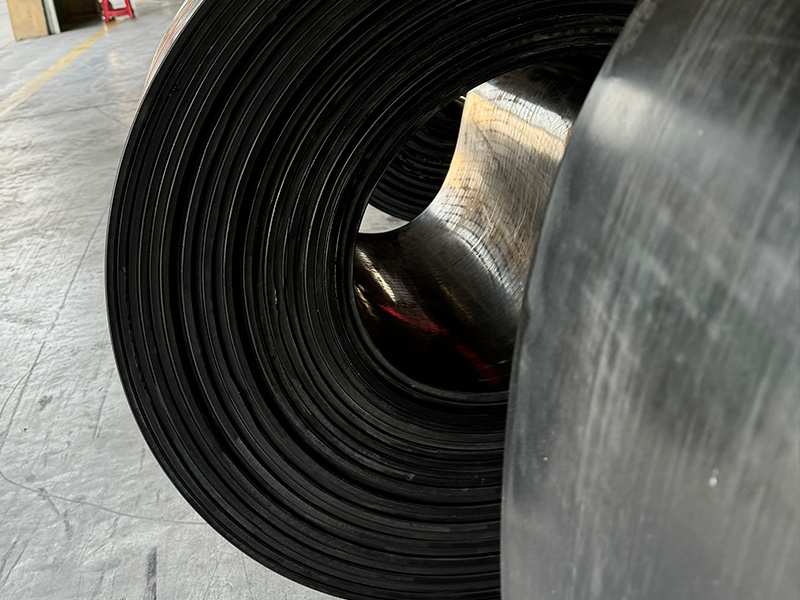
If PVC conveyor belt is to be hemmed, it usually needs 2 cloth and 2 glue or more to be suitable for hemming. First, separate the cloth surface from the glue surface, and then wrap the edge with the glue surface on the surface, so that the hemming is completed. And the use of hot melt process, the edge of the bag and the conveyor belt as a whole.