Exploring the Benefits and Functionality of Steeply Inclined Conveyor Belts
2026-07-04


Steeply inclined conveyor belts are specialized material handling systems designed to transport bulk materials at significant angles, often exceeding 30 degrees. These systems are particularly advantageous in industries like manufacturing, construction, and earthmoving machinery. The primary function of a steeply inclined conveyor belt is to facilitate the efficient movement of materials from one
Steeply inclined conveyor belts are specialized material handling systems designed to transport bulk materials at significant angles, often exceeding 30 degrees. These systems are particularly advantageous in industries like manufacturing, construction, and earthmoving machinery. The primary function of a steeply inclined conveyor belt is to facilitate the efficient movement of materials from one elevation to another, which is essential in settings where space is limited or where traditional horizontal conveyors may not be feasible.
The design of steeply inclined conveyor belts involves several key considerations to ensure optimal performance. One of the most critical aspects is the selection of the appropriate belt material and surface texture. The belt must be constructed to provide sufficient friction to prevent material slippage, even at steep angles. Additionally, the angle of inclination must be carefully calculated to balance the gravitational forces acting on the materials being transported, as well as the mechanical aspects of the conveyor system.
In terms of applications, steeply inclined conveyors are widely utilized in various sectors. In construction, for example, they are often employed to transport aggregate materials, such as gravel and sand, from lower to higher elevations on a job site. This capability significantly reduces the need for manual labor and enhances operational efficiency. Furthermore, in manufacturing processes, these conveyors can facilitate the movement of finished products or raw materials between different levels of a facility, thereby streamlining production workflows.
Another noteworthy advantage of steeply inclined conveyor belts is their ability to maximize space utilization. By moving materials vertically, businesses can make the most out of limited floor areas, which is particularly valuable in urban construction sites or manufacturing plants with constrained layouts. Additionally, these conveyor systems can be integrated into existing operations with minimal disruption, allowing for a seamless transition to more efficient material handling practices.
Moreover, steeply inclined conveyor belts can be designed to include features such as adjustable inclines or modular configurations, providing further flexibility for operators. These advancements allow companies to tailor their material transport systems to meet specific operational requirements.
In conclusion, steeply inclined conveyor belts play a crucial role in the manufacturing and construction industries by enhancing material transport efficiency and optimizing space usage. As businesses continue to seek ways to improve productivity and reduce labor costs, the adoption of such specialized conveyor systems is likely to grow, paving the way for innovations in material handling technology.
The design of steeply inclined conveyor belts involves several key considerations to ensure optimal performance. One of the most critical aspects is the selection of the appropriate belt material and surface texture. The belt must be constructed to provide sufficient friction to prevent material slippage, even at steep angles. Additionally, the angle of inclination must be carefully calculated to balance the gravitational forces acting on the materials being transported, as well as the mechanical aspects of the conveyor system.
In terms of applications, steeply inclined conveyors are widely utilized in various sectors. In construction, for example, they are often employed to transport aggregate materials, such as gravel and sand, from lower to higher elevations on a job site. This capability significantly reduces the need for manual labor and enhances operational efficiency. Furthermore, in manufacturing processes, these conveyors can facilitate the movement of finished products or raw materials between different levels of a facility, thereby streamlining production workflows.
Another noteworthy advantage of steeply inclined conveyor belts is their ability to maximize space utilization. By moving materials vertically, businesses can make the most out of limited floor areas, which is particularly valuable in urban construction sites or manufacturing plants with constrained layouts. Additionally, these conveyor systems can be integrated into existing operations with minimal disruption, allowing for a seamless transition to more efficient material handling practices.
Moreover, steeply inclined conveyor belts can be designed to include features such as adjustable inclines or modular configurations, providing further flexibility for operators. These advancements allow companies to tailor their material transport systems to meet specific operational requirements.
In conclusion, steeply inclined conveyor belts play a crucial role in the manufacturing and construction industries by enhancing material transport efficiency and optimizing space usage. As businesses continue to seek ways to improve productivity and reduce labor costs, the adoption of such specialized conveyor systems is likely to grow, paving the way for innovations in material handling technology.
Keywords:
Latest News
Why do PVC conveyor belts need to be wrapped?
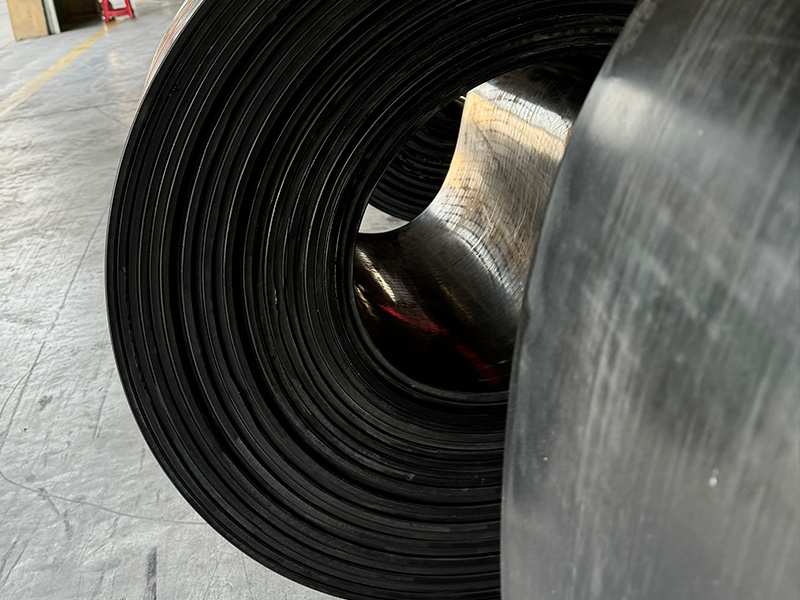
If PVC conveyor belt is to be hemmed, it usually needs 2 cloth and 2 glue or more to be suitable for hemming. First, separate the cloth surface from the glue surface, and then wrap the edge with the glue surface on the surface, so that the hemming is completed. And the use of hot melt process, the edge of the bag and the conveyor belt as a whole.