Enhancing Performance: Polyester Conveyor Belts in Construction Machinery
2026-07-13


Enhancing Performance: Polyester Conveyor Belts in Construction Machinery
Table of Contents
1. Introduction
2. What Are Polyester Conveyor Belts?
3. Advantages of Polyester Conveyor Belts in Construction
3.1 Durability and Strength
3.2 Lightweight Structure
3.3 Resistance to Chemicals
4. Applications of Polyester Conveyor Belts
Enhancing Performance: Polyester Conveyor Belts in Construction Machinery
Table of Contents
- 1. Introduction
- 2. What Are Polyester Conveyor Belts?
- 3. Advantages of Polyester Conveyor Belts in Construction
- 4. Applications of Polyester Conveyor Belts in Construction Machinery
- 5. Improving Efficiency and Performance with Polyester Conveyor Belts
- 6. Maintenance and Care of Polyester Conveyor Belts
- 7. Future Trends in Conveyor Belt Technology
- 8. FAQs
- 9. Conclusion
1. Introduction
In the ever-evolving construction industry, efficiency and performance are paramount. One of the pivotal elements contributing to enhanced productivity is the choice of materials used in machinery. **Polyester conveyor belts** have emerged as a vital component, offering numerous benefits that significantly impact operational effectiveness. This article delves into the characteristics and advantages of polyester conveyor belts, their applications in construction machinery, and how they contribute to improved performance.
2. What Are Polyester Conveyor Belts?
Polyester conveyor belts are made from a synthetic material known for its strength and flexibility. These belts are primarily composed of **polyester fibers**, which provide a robust structure that can endure heavy loads while remaining lightweight. Their design allows for versatile applications across various machinery types in the construction sector, making them a preferred choice for many businesses.
3. Advantages of Polyester Conveyor Belts in Construction
Understanding the strengths of polyester conveyor belts is crucial for appreciating their role in construction machinery. Here are some key advantages:
3.1 Durability and Strength
Polyester conveyor belts are recognized for their exceptional durability. They are designed to withstand harsh environmental conditions, including extreme temperatures, moisture, and abrasion. This durability translates into a longer lifespan for the belts, reducing the need for frequent replacements and minimizing downtime in operations.
3.2 Lightweight Structure
One of the standout features of polyester conveyor belts is their lightweight structure. This characteristic not only makes them easier to install but also enhances the overall efficiency of the machinery. **Lighter belts** mean less strain on motors and pulleys, leading to reduced energy consumption and operating costs.
3.3 Resistance to Chemicals
In construction environments, conveyor belts often encounter various substances, including chemicals and oils. Polyester belts exhibit excellent resistance to such materials, preventing degradation and ensuring consistent performance over time. This resistance reduces maintenance needs and prolongs the life of the belts.
4. Applications of Polyester Conveyor Belts in Construction Machinery
Polyester conveyor belts are versatile and find applications in numerous areas within the construction industry. Here are some significant uses:
4.1 Transportation of Materials
One of the primary roles of polyester conveyor belts is the efficient transportation of materials. Be it gravel, sand, or other aggregates, these belts facilitate smooth movement from one point to another, ensuring that construction projects progress without delays. The ability to carry heavy loads while maintaining stability is vital for any construction operation.
4.2 Crushing and Screening
In applications involving crushing and screening, polyester conveyor belts are essential for transferring materials between different stages of processing. Their strength allows them to handle the weight of heavy materials while ensuring that they remain intact under stress. This reliability is crucial in maintaining an efficient workflow.
4.3 Batching and Mixing
Polyester conveyor belts also play a significant role in batching and mixing processes. They help ensure that the right proportions of materials are combined efficiently. This application is vital for achieving consistent product quality in concrete and other construction materials.
5. Improving Efficiency and Performance with Polyester Conveyor Belts
The integration of polyester conveyor belts in construction machinery translates to enhanced overall efficiency and performance. Their durability means less downtime due to maintenance and repairs, allowing projects to adhere to schedules. Additionally, the lightweight nature of these belts reduces energy requirements, translating to cost savings for companies.
Utilizing polyester conveyor belts can also lead to improved safety on job sites. A robust and reliable belt reduces the risk of accidents caused by malfunctioning equipment, promoting a safer working environment for all personnel involved.
6. Maintenance and Care of Polyester Conveyor Belts
To maximize the lifespan and performance of polyester conveyor belts, proper maintenance is essential. Here are some key practices:
1. **Regular Inspections**: Conducting routine checks for wear and tear can help identify issues before they lead to significant failures.
2. **Cleaning**: Keeping belts clean from debris and contaminants prevents unnecessary abrasion and extends their operational life.
3. **Alignment and Tension**: Ensuring that the belts are correctly aligned and maintaining the right tension can prevent slippage and reduce wear.
4. **Lubrication**: Applying appropriate lubricants to moving parts can minimize friction and enhance the efficiency of the entire conveyor system.
7. Future Trends in Conveyor Belt Technology
The future of polyester conveyor belts looks promising, with advancements in technology paving the way for even greater efficiency and sustainability. Innovations such as **smart conveyor systems** equipped with sensors can provide real-time monitoring, allowing for predictive maintenance and reducing downtime.
Additionally, the increasing focus on sustainability may lead to the development of **eco-friendly polyester materials** that minimize environmental impact. As the construction industry becomes more conscious of its ecological footprint, the demand for sustainable solutions will likely drive changes in conveyor belt manufacturing.
8. FAQs
1. What industries can benefit from polyester conveyor belts?
Polyester conveyor belts are widely used in construction, mining, agricultural, and manufacturing industries, where heavy materials need to be transported efficiently.
2. How do polyester conveyor belts compare to other materials?
Polyester conveyor belts are lighter and more resistant to abrasions and chemicals compared to rubber and PVC belts, making them ideal for various applications.
3. Can polyester conveyor belts handle extreme temperatures?
Yes, polyester conveyor belts can perform well under a range of temperatures, but specific temperature limits depend on the type and construction of the belt.
4. What is the lifespan of polyester conveyor belts?
With proper maintenance, polyester conveyor belts can last several years, often exceeding the lifespan of other belt types due to their durability.
5. Are polyester conveyor belts customizable?
Yes, many manufacturers offer customization options for polyester conveyor belts to meet specific operational needs, including varying widths, lengths, and surface textures.
9. Conclusion
Polyester conveyor belts represent a significant advancement in construction machinery, enhancing performance, durability, and efficiency. Their lightweight structure, chemical resistance, and versatility make them invaluable in various applications, from transporting materials to crushing and batching. As technology continues to evolve, polyester conveyor belts will likely play an even more critical role in shaping the future of the construction industry. By adopting these innovative solutions, businesses can improve operational effectiveness and ensure a safer, more productive working environment.
Keywords:
Latest News
Why do PVC conveyor belts need to be wrapped?
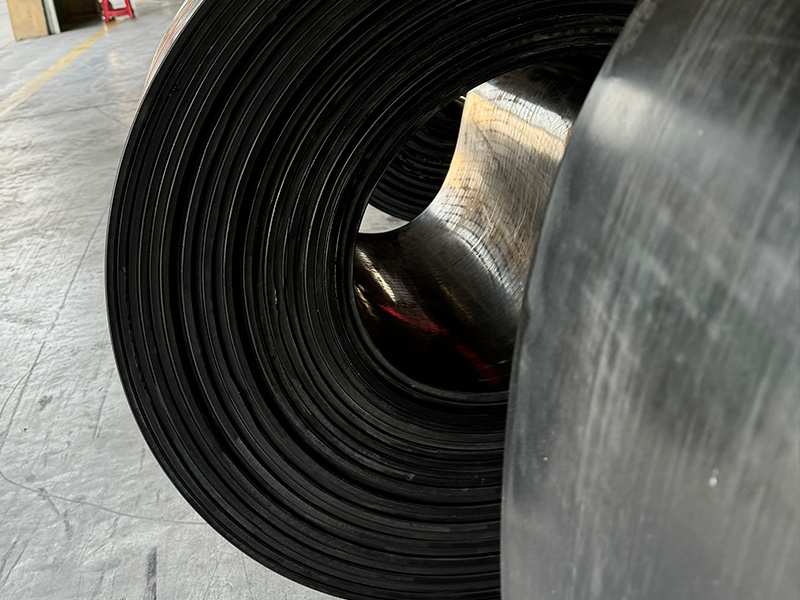
If PVC conveyor belt is to be hemmed, it usually needs 2 cloth and 2 glue or more to be suitable for hemming. First, separate the cloth surface from the glue surface, and then wrap the edge with the glue surface on the surface, so that the hemming is completed. And the use of hot melt process, the edge of the bag and the conveyor belt as a whole.