The Essential Function of Friction Self-Aligning Rollers in Construction Machinery
2026-07-19


The Essential Function of Friction Self-Aligning Rollers in Construction Machinery
In the realm of construction machinery, the components that facilitate smooth operations are as crucial as the machines themselves. Among these components, friction self-aligning rollers stand out for their ability to enhance performance and reliability in various applications. This article explores the multitude of functions these rollers serve, their design intricacies, and their significant contributions to the efficiency of construction equipment.
Table of Contents
- What Are Friction Self-Aligning Rollers?
- How Do Friction Self-Aligning Rollers Work?
- Benefits of Friction Self-Aligning Rollers in Construction Machinery
- Applications of Friction Self-Aligning Rollers in Construction Machinery
- Design and Engineering of Friction Self-Aligning Rollers
- Maintenance and Care for Friction Self-Aligning Rollers
- Future Trends in Roller Technology
- Conclusion
- FAQs
What Are Friction Self-Aligning Rollers?
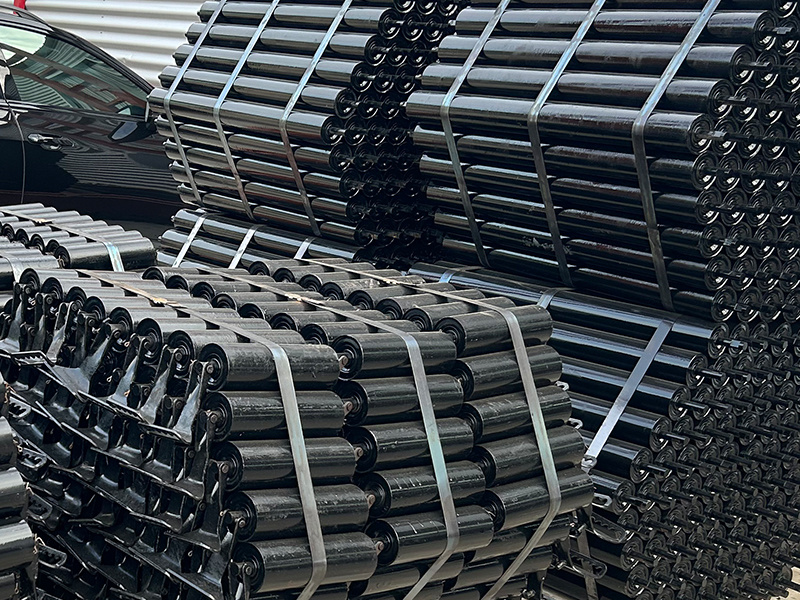
Friction self-aligning rollers are mechanical components designed to facilitate smooth and efficient movement in construction machinery. They are characterized by their ability to adjust to angular misalignments between the roller and the surface on which it operates. This adaptability is crucial for maintaining contact and reducing wear on both the roller and the machinery it supports.
Typically made from durable materials such as high-grade steel or reinforced polymers, these rollers are engineered to withstand the demanding conditions often encountered on construction sites. Their design not only enhances performance but also contributes to a longer lifespan for the machinery.
How Do Friction Self-Aligning Rollers Work?
The functionality of friction self-aligning rollers is rooted in their unique design. These rollers feature a specialized geometry that allows them to pivot and adjust to varying angles, thereby maintaining optimal contact with the surfaces they engage. This self-aligning capability reduces friction, which is a leading cause of wear and energy loss in mechanical systems.
When a load is applied, the rollers distribute weight evenly, mitigating stress concentration that can lead to mechanical failure. As they align automatically with the orientation of the load, they minimize the risk of misalignment-related issues, such as premature wear, overheating, and inefficient power use.
Friction Mechanics in Action
The friction generated between the roller and the surface plays a pivotal role in its operation. The combination of materials and surface finishes influences the amount of grip and durability. The design and material selection are critical to optimizing friction characteristics, ensuring that the rollers perform well under varied load conditions.
Benefits of Friction Self-Aligning Rollers in Construction Machinery
Implementing friction self-aligning rollers in construction machinery brings several significant benefits:
1. Enhanced Operational Efficiency
By facilitating smoother movements, these rollers improve the overall efficiency of machinery. Reduced friction minimizes energy loss, allowing machines to operate more effectively, which translates to lower operational costs.
2. Increased Equipment Longevity
With their ability to adapt to misalignments and reduce wear, friction self-aligning rollers extend the lifespan of construction equipment. This durability leads to less frequent replacements and reduced maintenance costs, benefiting overall project budgets.
3. Improved Safety
Properly functioning rollers contribute to the safety of construction operations. By minimizing mechanical failures and potential accidents due to equipment malfunctions, they create a safer work environment for operators and crew.
4. Versatility in Applications
These rollers are versatile, making them suitable for various types of construction machinery, including bulldozers, excavators, and conveyor systems. Their adaptability ensures that they can be utilized across different machines and tasks.
Applications of Friction Self-Aligning Rollers in Construction Machinery
The application of friction self-aligning rollers extends across numerous aspects of the construction industry:
1. Excavators
In excavators, these rollers ensure smooth arm and bucket movements, providing precise control and enhancing digging efficiency.
2. Bulldozers
For bulldozers, friction self-aligning rollers contribute to effective blade operation, helping to maintain alignment during earth-moving tasks.
3. Conveyor Systems
In conveyor systems, these rollers play a vital role in ensuring consistent material flow, reducing the risk of jams or misalignment that can halt productivity.
4. Cranes
Cranes benefit from the stability provided by self-aligning rollers, allowing for safer lifting operations and improved load handling.
Design and Engineering of Friction Self-Aligning Rollers
The design of friction self-aligning rollers is a complex process that involves careful considerations of materials, geometry, and operational requirements. Engineers focus on:
1. Material Selection
Choosing the right materials is essential to ensure durability and performance. High-strength alloys and advanced polymers are commonly used to withstand the harsh conditions of construction sites.
2. Geometry Optimization
Roller geometry plays a crucial role in their self-aligning capabilities. Engineers optimize dimensions and shapes to enhance adaptability and facilitate smooth operations.
3. Surface Treatments
Applying surface treatments, such as coatings or finishes, can further improve friction characteristics and resistance to wear, enhancing overall performance.
Maintenance and Care for Friction Self-Aligning Rollers
To ensure longevity and optimal performance, regular maintenance of friction self-aligning rollers is essential. Key practices include:
1. Routine Inspections
Regular inspections help identify signs of wear or damage early, allowing for timely interventions before issues escalate.
2. Lubrication
Proper lubrication reduces friction and wear. Selecting the right lubricant and ensuring it is applied at appropriate intervals is crucial for maintaining roller performance.
3. Cleaning
Keeping rollers clean from debris and contaminants ensures smooth operation and reduces the risk of premature failure.
Future Trends in Roller Technology
The future of friction self-aligning rollers is poised for exciting advancements:
1. Smart Technology Integration
As construction machinery becomes more digitized, the integration of smart technologies in rollers can provide real-time monitoring of performance and condition, enhancing predictive maintenance capabilities.
2. Advanced Material Development
Research into new materials, such as composites and nanomaterials, may lead to stronger, lighter, and more durable rollers, further improving efficiency and performance.
3. Sustainability Focus
With a growing emphasis on sustainability, future roller designs may prioritize eco-friendly materials and manufacturing processes, reducing environmental impact.
Conclusion
The role of friction self-aligning rollers in construction machinery is indispensable. Their unique design and functionality contribute significantly to operational efficiency, equipment longevity, and safety. As the industry evolves, the continuous improvement in roller technology will further enhance their capabilities, ensuring they remain a vital component in construction machinery.
FAQs
1. What materials are commonly used in friction self-aligning rollers?
Friction self-aligning rollers are typically made from high-grade steel and reinforced polymers to ensure durability and performance under demanding conditions.
2. How do friction self-aligning rollers improve safety in construction?
By reducing the risk of mechanical failures and ensuring smooth operations, these rollers create a safer work environment for operators and crew.
3. Can friction self-aligning rollers be used in multiple types of machinery?
Yes, their versatility allows them to be used in various types of construction machinery, including excavators, bulldozers, and conveyor systems.
4. What maintenance is required for friction self-aligning rollers?
Regular inspections, proper lubrication, and cleaning are essential maintenance practices to ensure optimal performance and longevity.
5. What are the future trends in roller technology?
Future trends include smart technology integration, advancements in material development, and a focus on sustainability in design and manufacturing processes.
Keywords:
Latest News
Why do PVC conveyor belts need to be wrapped?