
The Key Advantages of Electronic Belt Scales in Earthmoving Operations
2026-08-06


The Key Advantages of Electronic Belt Scales in Earthmoving Operations
In the rapidly evolving landscape of construction and mining, effective weight measurement plays a crucial role in enhancing operational efficiency. Electronic belt scales have emerged as indispensable tools in earthmoving operations, delivering unparalleled accuracy, efficiency, and cost savings. This article delves into the numerous advantages of adopting electronic belt scales in earthmoving operations, exploring their technology, applications, and overall impact on the industry.
Understanding Electronic Belt Scales
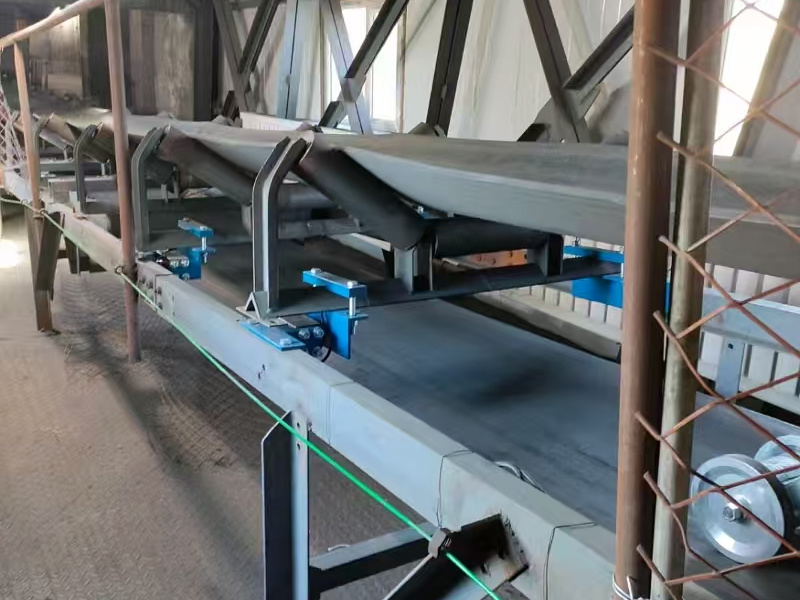
Electronic belt scales are sophisticated devices that accurately measure the weight of materials being transported on conveyor belts. By integrating advanced technology, these scales provide real-time data, enhancing the decision-making process for operators and management alike. The core components of an electronic belt scale include load cells, conveyor belts, and an electronic display or control system.
How Electronic Belt Scales Work
At the heart of an electronic belt scale is the load cell, which converts the force exerted by the weight of the material on the conveyor into an electrical signal. This signal is then processed by the control system, yielding precise weight measurements. The conveyor belt, moving at a constant speed, transports the material, enabling continuous monitoring and recording of weight data. This integration helps operators track and manage inventory, ensuring optimal performance in earthmoving projects.
Advantages of Using Electronic Belt Scales
1. Enhanced Accuracy in Weight Measurement
One of the standout features of electronic belt scales is their ability to provide **highly accurate weight measurements**. Traditional weighing methods often result in discrepancies due to manual errors or calibration issues. In contrast, electronic scales deliver precision down to a fraction of a percent, significantly reducing the risk of overloading or underloading trucks and vehicles. This accuracy is essential in earthmoving operations where the **cost of materials** and **time efficiency** are paramount.
2. Improved Operational Efficiency
Electronic belt scales facilitate real-time data collection, allowing operators to monitor the flow of materials continuously. This constant feedback loop enhances **operational efficiency**, enabling quicker decision-making. By accurately measuring the weight of materials being transported, businesses can optimize their logistics, reducing downtime and ensuring that resources are utilized effectively. The result is a smoother workflow and increased productivity on job sites.
3. Cost-Effectiveness and Resource Management
Investing in electronic belt scales can lead to significant **cost savings** over time. By minimizing inaccuracies in weight measurement, companies can avoid costly mistakes associated with material shortages or excesses. Furthermore, the ability to track inventory levels in real-time prevents unnecessary procurement of materials, aligning with sustainable practices. Ultimately, this resource management translates to lower operating costs and improved profit margins.
The Application of Electronic Belt Scales in Earthmoving
1. Construction Projects
In the construction industry, electronic belt scales are widely used to measure aggregates, asphalt, and other materials. Their accuracy and efficiency allow construction companies to manage material usage effectively, ensuring projects stay on schedule and within budget. The technology also streamlines the bidding process, as accurate material estimates can be provided to clients.
2. Mining Operations
Mining companies benefit significantly from electronic belt scales. The ability to weigh materials directly on the conveyor belt reduces handling costs and minimizes the risk of damage during transportation. Additionally, accurate weight measurements enable better tracking of production rates, ensuring that mining operations meet their targets efficiently.
3. Environmental Benefits
Electronic belt scales contribute to environmentally friendly practices by promoting efficient material use and reducing waste. By optimizing resource management, businesses can minimize their carbon footprint and comply with environmental regulations more easily. This is particularly crucial in today's climate-conscious world, where sustainability is a key concern for many stakeholders.
Choosing the Right Electronic Belt Scale
Factors to Consider
Selecting the appropriate electronic belt scale for your earthmoving operations involves considering several factors:
- Weight Capacity: Ensure the scale can handle the maximum weight expected in your operations.
- Speed of the Conveyor: The scale should be compatible with the speed at which materials are transported.
- Environmental Conditions: Consider the operating environment, as factors like dust, moisture, and temperature can impact performance.
- Calibration and Maintenance: Choose scales that offer easy calibration and low maintenance requirements.
Installation and Integration
When installing electronic belt scales, proper integration with existing systems is crucial. This process typically involves collaborating with suppliers to ensure that the scales align with current conveyor systems and data management software. A seamless integration will maximize the benefits of the technology, allowing for real-time data analysis and improved operational decision-making.
Maintenance of Electronic Belt Scales
Ensuring Longevity
Regular maintenance is essential to keep electronic belt scales functioning optimally. This includes routine inspections, calibration checks, and software updates. By adhering to a maintenance schedule, businesses can avoid unexpected downtime and ensure that their scales provide accurate measurements consistently.
Common Issues and Troubleshooting
Some common issues that may arise with electronic belt scales include calibration errors, mechanical wear, and environmental interference. Understanding these potential problems enables operators to troubleshoot and resolve issues swiftly, minimizing disruption to operations. Employing a knowledgeable maintenance team can further enhance the reliability and efficiency of electronic belt scales.
Future Trends in Electronic Belt Scale Technology
Advancements on the Horizon
The future of electronic belt scales holds exciting advancements, particularly in the realm of automation and data analytics. As technology continues to evolve, features such as remote monitoring and artificial intelligence integration may become standard, further enhancing operational efficiency. These innovations will allow for predictive maintenance and more comprehensive data analysis, paving the way for smarter earthmoving operations.
Frequently Asked Questions (FAQs)
1. What are electronic belt scales used for?
Electronic belt scales are primarily used to measure the weight of materials being transported on conveyor belts, providing accurate weight data for various industrial applications, including construction and mining.
2. How do electronic belt scales improve efficiency?
These scales provide real-time weight data, allowing for better decision-making, inventory management, and streamlined logistics, resulting in increased productivity and reduced operational downtime.
3. Are electronic belt scales easy to maintain?
Yes, electronic belt scales typically require routine inspections and calibration checks, but they are designed for low maintenance to ensure long-term reliability and performance.
4. Can electronic belt scales be integrated with existing systems?
Absolutely. Electronic belt scales can be integrated with existing conveyor systems and data management software to enhance operational efficiency and data analysis capabilities.
5. What are the environmental benefits of using electronic belt scales?
By promoting efficient resource management and minimizing waste, electronic belt scales contribute to environmentally friendly practices and help companies comply with sustainability initiatives.
Conclusion
In conclusion, electronic belt scales represent a significant advancement in the realm of earthmoving operations. With their unmatched accuracy, efficiency, and cost-effectiveness, these scales serve as invaluable tools for construction and mining industries. By investing in this technology, businesses can enhance their operational practices, leading to improved productivity and sustainability. As we look to the future, the continuous evolution of electronic belt scale technology will undoubtedly shape the landscape of earthmoving operations for years to come.
Keywords:
Latest News
Why do PVC conveyor belts need to be wrapped?