Exploring the Applications of Permanent Magnetic Separators in Manufacturing
2026-08-12


Exploring the Applications of Permanent Magnetic Separators in Manufacturing
Table of Contents
1. Introduction to Permanent Magnetic Separators
2. What Are Permanent Magnetic Separators?
3. How Do Permanent Magnetic Separators Work?
4. Advantages of Using Permanent Magnetic Separators
5. Key Applications in Manufacturing
6. Applications in Construction and Building Machine
Exploring the Applications of Permanent Magnetic Separators in Manufacturing
Table of Contents
- 1. Introduction to Permanent Magnetic Separators
- 2. What Are Permanent Magnetic Separators?
- 3. How Do Permanent Magnetic Separators Work?
- 4. Advantages of Using Permanent Magnetic Separators
- 5. Key Applications in Manufacturing
- 6. Applications in Construction and Building Machinery
- 7. Role in Bulk Material Handling
- 8. Trends and Advancements in Magnetic Separation Technology
- 9. Conclusion
- 10. Frequently Asked Questions
1. Introduction to Permanent Magnetic Separators
Permanent magnetic separators have become indispensable tools in the manufacturing industry, playing a pivotal role in enhancing operational efficiency and ensuring product purity. These devices are designed to extract ferrous contaminants from a product stream, safeguarding equipment and improving the quality of the final product. As industries evolve, the demand for advanced magnetic separation solutions increases, prompting manufacturers to adopt innovative technologies.
In this article, we will explore the various applications of permanent magnetic separators, detailing their functionality, benefits, and integration within different manufacturing processes. By understanding how these devices operate and where they are most effective, organizations can optimize their production lines and enhance overall productivity.
2. What Are Permanent Magnetic Separators?
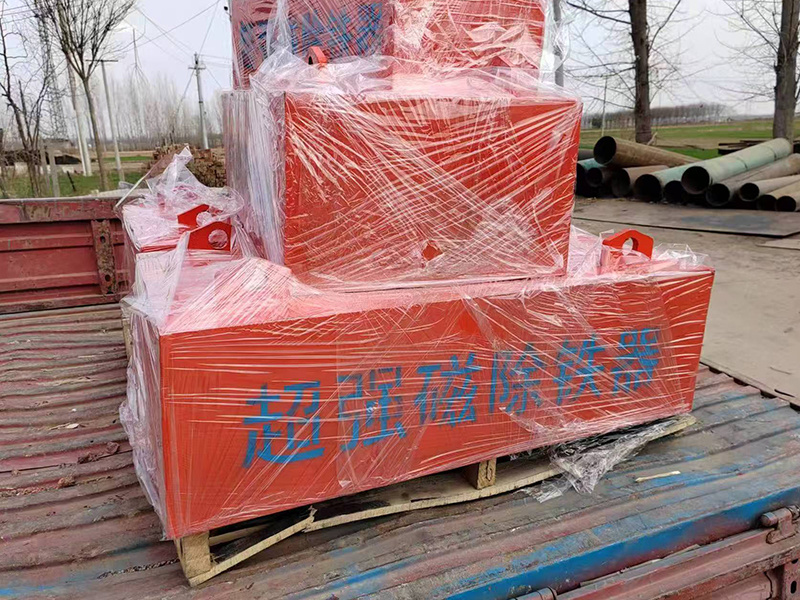
Permanent magnetic separators are highly effective devices that utilize permanent magnets to remove ferrous materials from non-ferrous products. Unlike electromagnets, which require an external power source, these separators generate a constant magnetic field, making them energy-efficient and low-maintenance.
The primary components of a permanent magnetic separator include:
- **Magnetic Core:** The heart of the separator, made from high-grade magnetic materials to create a strong magnetic field.
- **Housing:** A robust structure that encases the magnetic core, providing protection and ensuring durability.
- **Conveyor System:** Often integrated with the separator to transport materials past the magnetic field for efficient separation.
These separators are available in various configurations, such as drum magnets, plate magnets, and belt magnets, allowing for tailored solutions based on specific manufacturing needs.
3. How Do Permanent Magnetic Separators Work?
The operation of permanent magnetic separators is relatively straightforward yet highly effective. The basic principle involves the following steps:
1. **Material Ingestion:** The material flow, which may contain ferrous contaminants, enters the separator.
2. **Magnetic Attraction:** As the material passes over or under the magnetic field, ferrous particles are attracted to the magnet, effectively separating them from the main product stream.
3. **Contaminant Removal:** The non-magnetic material continues through the system, while the ferrous contaminants adhere to the magnetic surface.
4. **Discharge:** The separated ferrous materials are eventually removed, either manually or through automated systems, ensuring a clean product flow.
This process improves product purity and reduces wear and tear on equipment, significantly enhancing operational efficiency.
4. Advantages of Using Permanent Magnetic Separators
Employing permanent magnetic separators in manufacturing offers numerous advantages:
- **Cost-Effectiveness:** Since they do not require electricity to operate, these separators reduce energy costs and maintenance expenses.
- **Consistency and Reliability:** Permanent magnetic separators provide consistent performance without the fluctuation in strength often seen with electromagnets.
- **Durability:** Built to withstand harsh industrial environments, these separators ensure long-term reliability and effective operation.
- **Versatility:** Suitable for a wide range of applications, from food processing to metal fabrication, making them adaptable to various manufacturing sectors.
- **Enhanced Product Quality:** By effectively removing ferrous contaminants, these separators help maintain product integrity, complying with industry standards.
The combination of these advantages makes permanent magnetic separators an essential component in modern manufacturing processes.
5. Key Applications in Manufacturing
Permanent magnetic separators find applications across various manufacturing sectors, including:
- **Food Industry:** Ensuring food safety by removing metal fragments from raw materials and finished products.
- **Mining and Mineral Processing:** Protecting processing equipment from abrasive wear caused by ferrous debris.
- **Recycling:** Enhancing the separation of metals from waste streams, contributing to more efficient recycling processes.
- **Automotive Manufacturing:** Preventing metal contamination during the production of vehicle components.
- **Construction Materials:** Ensuring the purity of materials used in construction, such as aggregates and cement.
Each of these applications showcases the versatility and necessity of permanent magnetic separators in maintaining product quality and operational efficiency.
6. Applications in Construction and Building Machinery
The construction and building machinery sector benefits significantly from the use of permanent magnetic separators. In this industry, ferrous contaminants can lead to severe equipment malfunctions and compromised product quality. Key applications include:
- **Aggregate Production:** Permanent magnetic separators are employed to remove metallic impurities from aggregates used in concrete and asphalt production, ensuring compliance with safety standards and enhancing the durability of construction materials.
- **Cement Manufacturing:** These separators safeguard machinery by eliminating metal debris from raw materials, resulting in smoother operation and reduced maintenance costs.
- **Heavy Equipment Manufacturing:** Within the production of heavy machinery, permanent magnetic separators help prevent the introduction of ferrous contaminants, which could lead to costly repairs and safety hazards.
By ensuring the purity of materials used in construction processes, permanent magnetic separators play a vital role in maintaining the integrity and safety of construction projects.
7. Role in Bulk Material Handling
In bulk material handling applications, permanent magnetic separators are crucial in facilitating the efficient transfer and processing of materials. Their key roles include:
- **Protection of Equipment:** By removing ferrous contaminants, these separators protect conveyor belts, crushers, and other equipment from damage, reducing downtime and maintenance costs.
- **Quality Control:** Ensuring that bulk materials are free from metal contamination enhances product quality and compliance with industry regulations.
- **Operational Efficiency:** The integration of magnetic separators in bulk handling systems streamlines processes, reducing the need for manual inspections and increasing throughput.
The strategic implementation of permanent magnetic separators in bulk material handling can lead to significant improvements in overall operational efficiency.
8. Trends and Advancements in Magnetic Separation Technology
The landscape of magnetic separation technology is continually evolving, with several trends and advancements enhancing the efficacy of permanent magnetic separators:
- **Smart Technology Integration:** The incorporation of IoT devices allows for real-time monitoring and data collection, enabling manufacturers to optimize operations and improve maintenance schedules.
- **Enhanced Magnetic Materials:** Advances in magnetic materials have led to stronger fields, improving the efficiency and effectiveness of separation processes.
- **Modular Designs:** New modular designs enable manufacturers to customize their magnetic separation systems, allowing for easy scaling and adaptation to changing production needs.
- **Environmental Considerations:** As sustainability becomes increasingly important, manufacturers are focusing on eco-friendly materials and processes in the production of magnetic separators.
These trends signify a growing emphasis on efficiency, adaptability, and sustainability within the manufacturing sector.
9. Conclusion
Permanent magnetic separators are invaluable assets in the manufacturing industry, providing robust solutions for removing ferrous contaminants and enhancing product quality. Their diverse applications across sectors such as construction, bulk material handling, and food processing illustrate their versatility and critical importance in maintaining operational efficiency.
By understanding the functionality, advantages, and latest advancements in magnetic separation technology, manufacturers can make informed decisions to integrate these devices into their processes effectively. Embracing permanent magnetic separators not only leads to improved product integrity but also fosters a safer, more efficient manufacturing environment.
10. Frequently Asked Questions
1. What is the primary function of permanent magnetic separators?
Permanent magnetic separators are designed to remove ferrous contaminants from material flows, preventing damage to equipment and ensuring product quality.
2. How do permanent magnetic separators differ from electromagnetic separators?
Permanent magnetic separators generate a constant magnetic field without requiring an external power source, while electromagnetic separators rely on electricity to create a magnetic field.
3. What industries benefit from using permanent magnetic separators?
Industries such as food processing, mining, recycling, automotive manufacturing, and construction all benefit from the use of permanent magnetic separators.
4. Can permanent magnetic separators be used in bulk material handling?
Yes, they are commonly used in bulk material handling to protect equipment from ferrous debris and ensure the quality of processed materials.
5. What are the latest advancements in magnetic separation technology?
Recent advancements include smart technology integration, enhanced magnetic materials, modular designs, and a focus on environmentally friendly manufacturing processes.
Keywords:
Latest News
Why do PVC conveyor belts need to be wrapped?
If PVC conveyor belt is to be hemmed, it usually needs 2 cloth and 2 glue or more to be suitable for hemming. First, separate the cloth surface from the glue surface, and then wrap the edge with the glue surface on the surface, so that the hemming is completed. And the use of hot melt process, the edge of the bag and the conveyor belt as a whole.