
Why Polyester Conveyor Belts Are Essential for Safe Material Transport
2026-08-18


Why Polyester Conveyor Belts Are Essential for Safe Material Transport
Table of Contents
Introduction to Polyester Conveyor Belts
Key Benefits of Polyester Conveyor Belts
Applications of Polyester Conveyor Belts
Safety Features of Polyester Conveyor Belts
Maintenance Tips for Polyester Conveyor Belts
How to Choose the Right Polyester Conveyor Belt
Environmental Conside
Why Polyester Conveyor Belts Are Essential for Safe Material Transport
Table of Contents
- Introduction to Polyester Conveyor Belts
- Key Benefits of Polyester Conveyor Belts
- Applications of Polyester Conveyor Belts
- Safety Features of Polyester Conveyor Belts
- Maintenance Tips for Polyester Conveyor Belts
- How to Choose the Right Polyester Conveyor Belt
- Environmental Considerations of Polyester Conveyor Belts
- Conclusion
- Frequently Asked Questions (FAQs)
Introduction to Polyester Conveyor Belts
Polyester conveyor belts have become a **cornerstone** in industries requiring efficient and safe material transport. These belts are designed to handle a wide **range of materials**, from lightweight products to heavy loads, which makes them ideal for various applications in manufacturing and material handling. Understanding their construction, functionality, and benefits can significantly enhance operational efficiency and safety.
Key Benefits of Polyester Conveyor Belts
Polyester conveyor belts offer a myriad of advantages that contribute to their widespread adoption:
1. Durability and Strength
Polyester is known for its **high tensile strength** and resilience. These belts can withstand heavy loads and harsh working conditions, making them a reliable choice for transporting materials in **industrial environments**.
2. Resistance to Abrasion
One of the critical benefits of polyester conveyor belts is their **abrasion resistance**. They endure wear and tear better than many alternatives, ensuring a longer lifespan and reducing the need for frequent replacements.
3. Lightweight Design
Their lightweight nature reduces the overall energy consumption of conveyor systems. This feature not only enhances **efficiency** but also minimizes strain on the machinery, resulting in lower operational costs.
4. Flexibility and Adaptability
Polyester conveyor belts can be tailored to fit various applications. They are available in different thicknesses, widths, and configurations, allowing businesses to customize their systems according to specific **transportation needs**.
5. Moisture Resistance
Polyester's inherent properties provide excellent moisture resistance, making these belts suitable for environments where exposure to water or humidity is a concern. This characteristic helps prevent degradation and prolongs the lifespan of the belts.
Applications of Polyester Conveyor Belts
The versatility of polyester conveyor belts allows them to be utilized in numerous sectors:
1. Manufacturing Industry
In manufacturing environments, polyester conveyor belts facilitate the seamless movement of goods between different production stages. Their robustness ensures that they can handle heavy materials such as metals and plastics.
2. Construction Sector
In the construction industry, transporting materials like gravel, sand, and concrete is critical. Polyester conveyor belts efficiently manage these loads while offering safety and durability on construction sites.
3. Mining Operations
Mining operations often involve the transfer of heavy minerals and ores. Polyester conveyor belts are designed to withstand the harsh conditions found in mining, providing reliable transport solutions.
4. Food Processing
In food processing, safety and cleanliness are paramount. Polyester conveyor belts can be manufactured to meet stringent hygiene standards, making them suitable for transporting food products.
5. Logistics and Warehousing
In logistics, polyester belts streamline the handling of parcels and bulk materials. Their lightweight and robust design enhances efficiency in sorting and packing operations.
Safety Features of Polyester Conveyor Belts
Safety is a primary concern in any industry utilizing conveyor systems. Polyester conveyor belts are designed with several safety features:
1. Non-Slip Surface
Many polyester conveyor belts are equipped with a **non-slip surface**, preventing materials from sliding off during transport and enhancing overall safety.
2. Flame Resistance
Certain polyester belts can be treated for flame resistance, providing an added layer of safety in environments where fire hazards are prevalent.
3. Emergency Stop Mechanisms
Integrated emergency stop mechanisms allow for quick shutdown in case of any malfunctions, protecting both operators and the materials being transported.
4. Regular Inspections
Implementing a schedule for regular inspections ensures that any wear and tear are identified early, allowing for timely maintenance and reducing the risk of accidents.
Maintenance Tips for Polyester Conveyor Belts
Proper maintenance is critical to ensuring the longevity and efficiency of polyester conveyor belts. Here are some essential tips:
1. Regular Cleaning
Maintaining a clean conveyor belt is crucial. Regular cleaning prevents the buildup of debris and materials that can lead to wear and operational inefficiencies.
2. Check Tension Levels
Proper tension is vital for optimal performance. Regularly check and adjust the tension levels to prevent slippage and excessive wear.
3. Monitor for Damage
Conduct routine inspections for signs of damage, such as fraying edges or cracks. Addressing these issues promptly can prevent further deterioration.
4. Lubrication of Components
Ensure that all moving parts associated with the conveyor system are appropriately lubricated to minimize friction and wear.
5. Follow Manufacturer Guidelines
Adhere to the manufacturer's recommendations for maintenance and care. This ensures that the conveyor belt operates efficiently and safely.
How to Choose the Right Polyester Conveyor Belt
Selecting the right polyester conveyor belt is crucial for enhancing operational efficiency. Here are key factors to consider:
1. Load Capacity
Consider the maximum load your conveyor system will handle. This ensures that the belt you choose can support the required weight without compromising safety.
2. Environmental Conditions
Evaluate the environmental conditions where the belt will operate. Factors such as temperature, humidity, and exposure to chemicals can influence your choice.
3. Belt Width and Length
Determine the required width and length of the belt based on the dimensions of your conveyor system and the materials being transported.
4. Surface Texture
Choose a surface texture that minimizes slippage for the materials being transported. Different industries may require varying textures for optimal performance.
5. Compliance Standards
Ensure that the polyester conveyor belt meets relevant industry standards and regulations, particularly in sectors like food processing where hygiene is critical.
Environmental Considerations of Polyester Conveyor Belts
As industries become increasingly aware of their environmental impact, selecting materials for conveyor belts that align with sustainability goals is essential. Polyester conveyor belts offer some advantages:
1. Recyclability
Polyester is a recyclable material, which helps reduce waste and environmental impact. Look for manufacturers that provide recycling programs for used belts.
2. Reduced Energy Consumption
The lightweight nature of polyester conveyor belts leads to lower energy consumption during operation, contributing to a reduced carbon footprint.
3. Sustainable Manufacturing Practices
Opt for suppliers that implement sustainable manufacturing processes. This can include the use of eco-friendly materials and practices that minimize environmental impact.
Conclusion
Polyester conveyor belts are essential for safe and efficient material transport across various industries. Their durability, flexibility, and safety features make them ideal for a wide range of applications. By understanding the benefits, maintenance requirements, and selection criteria, businesses can optimize their operations while ensuring safety and sustainability.
Frequently Asked Questions (FAQs)
1. What are the advantages of using polyester conveyor belts over rubber belts?
Polyester conveyor belts offer higher tensile strength, better abrasion resistance, and lower weight, which helps reduce energy consumption.
2. How often should I conduct maintenance on my polyester conveyor belt?
It is recommended to perform regular inspections and maintenance checks at least once a month, depending on usage and environmental conditions.
3. Are polyester conveyor belts suitable for food processing applications?
Yes, polyester conveyor belts can be manufactured to meet food safety standards, making them suitable for food handling and processing.
4. Can polyester conveyor belts be recycled?
Yes, polyester is a recyclable material, and many manufacturers offer recycling programs for used belts.
5. What factors should I consider when selecting a polyester conveyor belt?
Consider load capacity, environmental conditions, belt width and length, surface texture, and compliance with industry standards when selecting a belt.
Through this detailed exploration, we have highlighted the significance of polyester conveyor belts in various industries, emphasizing their safety, efficiency, and adaptability. Understanding these key aspects will empower businesses to make informed decisions that enhance productivity and safety in material transport.
Keywords:
Latest News
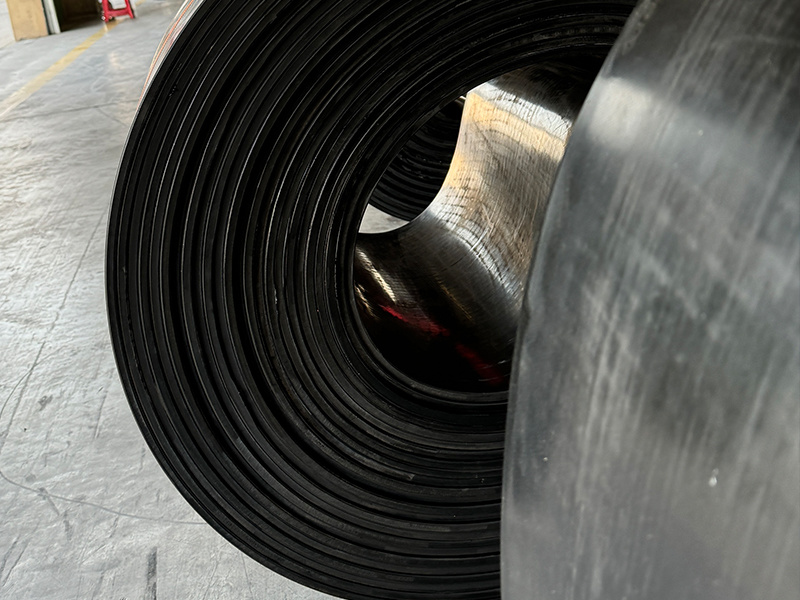
Why do PVC conveyor belts need to be wrapped?
If PVC conveyor belt is to be hemmed, it usually needs 2 cloth and 2 glue or more to be suitable for hemming. First, separate the cloth surface from the glue surface, and then wrap the edge with the glue surface on the surface, so that the hemming is completed. And the use of hot melt process, the edge of the bag and the conveyor belt as a whole.