Maximizing Performance: The Comprehensive Benefits of Friction Self-Aligning Rollers in Engineering and Construction Machinery
2026-08-24


Maximizing Performance: The Comprehensive Benefits of Friction Self-Aligning Rollers in Engineering and Construction Machinery
Table of Contents
1. Introduction to Friction Self-Aligning Rollers
2. Understanding Friction Self-Aligning Rollers
3. Key Benefits of Friction Self-Aligning Rollers
3.1 Increased Operational Efficiency
3.2 Reduced Maintenance
Maximizing Performance: The Comprehensive Benefits of Friction Self-Aligning Rollers in Engineering and Construction Machinery
Table of Contents
- 1. Introduction to Friction Self-Aligning Rollers
- 2. Understanding Friction Self-Aligning Rollers
- 3. Key Benefits of Friction Self-Aligning Rollers
- 3.1 Increased Operational Efficiency
- 3.2 Reduced Maintenance Costs
- 3.3 Enhanced Load Distribution
- 3.4 Improved Safety Standards
- 4. Applications of Friction Self-Aligning Rollers in Various Industries
- 5. Best Practices for Implementing Friction Self-Aligning Rollers
- 6. Frequently Asked Questions (FAQs)
- 7. Conclusion
1. Introduction to Friction Self-Aligning Rollers
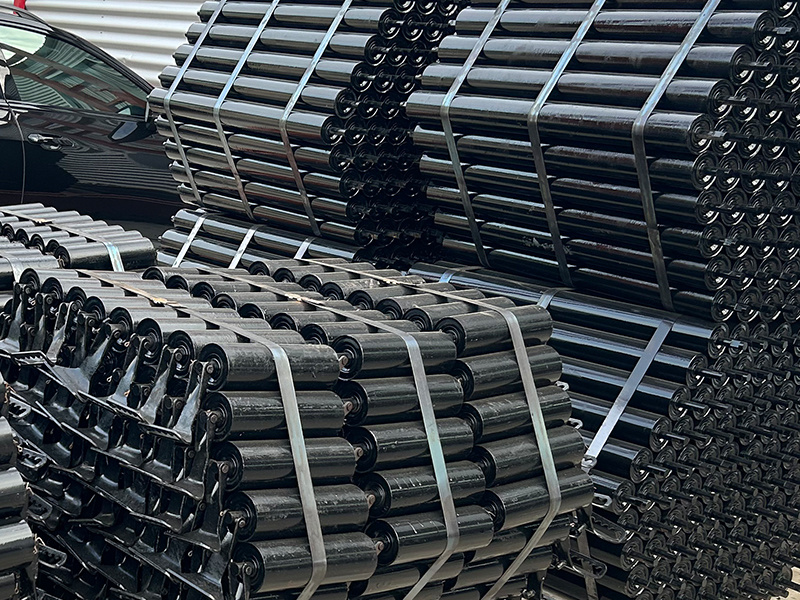
Friction self-aligning rollers are pivotal components in machinery across various industries, particularly in engineering and construction. These innovative rollers reduce friction and increase alignment capabilities, leading to enhanced performance and longevity of machinery. As industries continue to evolve, understanding how these components function and their associated benefits is crucial for optimizing operational efficiency.
2. Understanding Friction Self-Aligning Rollers
Friction self-aligning rollers operate on a relatively simple principle: they allow for slight misalignments in machinery while maintaining optimal performance. The rollers are designed to self-adjust under load, which means they can accommodate changes in position or orientation. This flexibility makes them particularly valuable in heavy-duty applications, where machinery faces significant operational stresses.
These rollers are typically made from high-quality materials that resist wear and tear, providing durability in challenging environments. With their unique design, friction self-aligning rollers can handle varying loads, reducing the risk of equipment failure and downtime.
3. Key Benefits of Friction Self-Aligning Rollers
3.1 Increased Operational Efficiency
One of the most significant advantages of using friction self-aligning rollers is their ability to enhance operational efficiency. By accommodating misalignments, these rollers ensure that machinery operates smoothly without unnecessary friction or resistance. This efficiency translates into improved productivity, as equipment can function at optimal levels for longer durations.
In industries like construction, where equipment downtime can significantly impact project timelines and costs, maintaining operational efficiency is crucial. Friction self-aligning rollers contribute to seamless operations, reducing the likelihood of breakdowns and ensuring consistent performance.
3.2 Reduced Maintenance Costs
Heavy machinery often incurs substantial maintenance costs due to wear and tear on components. However, the integration of friction self-aligning rollers can lead to a notable reduction in these expenses. Because these rollers are designed to minimize friction and accommodate misalignments, they experience less stress and wear over time.
Regular maintenance can be significantly less demanding when using friction self-aligning rollers. Equipment operators can expect longer intervals between servicing, ultimately leading to lower maintenance costs and increased savings.
3.3 Enhanced Load Distribution
Friction self-aligning rollers enhance load distribution across machinery components, which is vital for maintaining structural integrity. By efficiently redistributing weight and stress, these rollers help prevent localized damage, extending the lifespan of various machinery parts.
This enhanced load distribution is particularly beneficial in heavy-duty applications, where equipment frequently deals with uneven weight and shifting loads. As a result, machinery equipped with friction self-aligning rollers can achieve greater reliability and efficiency in demanding environments.
3.4 Improved Safety Standards
Safety is a paramount concern in engineering and construction. Friction self-aligning rollers contribute to improved safety standards by reducing the risk of equipment malfunctions that could lead to accidents. Their ability to self-align under load prevents machinery from becoming unstable, minimizing the chances of tipping or other hazardous situations.
Moreover, by lowering maintenance demands and increasing equipment reliability, these rollers further enhance workplace safety. Operators can focus on their tasks without constantly worrying about potential equipment failures.
4. Applications of Friction Self-Aligning Rollers in Various Industries
Friction self-aligning rollers find applications in a multitude of industries, including:
- **Construction Machinery**: Used in excavators, bulldozers, and cranes to enhance operational efficiency and reduce maintenance.
- **Mining Equipment**: Essential in conveyor systems for material handling, ensuring reliability under heavy loads.
- **Manufacturing**: Used in automated assembly lines to maintain alignment and optimize performance.
- **Agriculture**: Integrated into harvesting machinery to improve maneuverability and reduce wear on components.
Each application showcases how friction self-aligning rollers effectively enhance performance, safety, and reliability.
5. Best Practices for Implementing Friction Self-Aligning Rollers
To maximize the benefits of friction self-aligning rollers, consider the following best practices:
- **Choose the Right Roller Type**: Select rollers that are specifically designed for the machinery and application to ensure compatibility and optimal performance.
- **Regular Inspections**: Conduct regular inspections to identify any signs of wear or misalignment, ensuring that rollers continue to function effectively.
- **Proper Lubrication**: Maintain adequate lubrication to reduce friction and wear, enhancing the lifespan of rollers.
- **Training Operators**: Equip operators with knowledge about the benefits and maintenance of friction self-aligning rollers to promote effective usage and care.
By following these best practices, organizations can leverage the full potential of friction self-aligning rollers, leading to improved outcomes and reduced costs.
6. Frequently Asked Questions (FAQs)
1. What are friction self-aligning rollers, and how do they work?
Friction self-aligning rollers are mechanical components that allow machinery to adjust to slight misalignments automatically. They reduce friction and enhance performance, leading to improved operational efficiency.
2. What industries benefit from using friction self-aligning rollers?
Industries like construction, mining, manufacturing, and agriculture benefit significantly from friction self-aligning rollers due to their ability to enhance machinery reliability and efficiency.
3. How do friction self-aligning rollers reduce maintenance costs?
By minimizing wear and accommodating misalignments, friction self-aligning rollers lead to longer intervals between maintenance, reducing overall costs associated with servicing machinery.
4. Can friction self-aligning rollers improve safety in the workplace?
Yes, these rollers help prevent equipment malfunctions that could lead to accidents, thereby enhancing safety standards in various operational environments.
5. What are best practices for using friction self-aligning rollers?
Best practices include selecting the right roller type, conducting regular inspections, maintaining proper lubrication, and providing operator training.
7. Conclusion
Friction self-aligning rollers present numerous benefits that can significantly enhance performance in engineering and construction machinery. By improving operational efficiency, reducing maintenance costs, providing enhanced load distribution, and increasing safety standards, these innovative components play a crucial role in modern industrial applications.
Organizations that implement friction self-aligning rollers can expect not only to optimize their machinery's performance but also to contribute to a safer and more cost-effective operational environment. As industries continue to evolve, the strategic use of these rollers will be essential in maintaining a competitive edge in an increasingly demanding landscape.
Keywords:
Latest News
Why do PVC conveyor belts need to be wrapped?
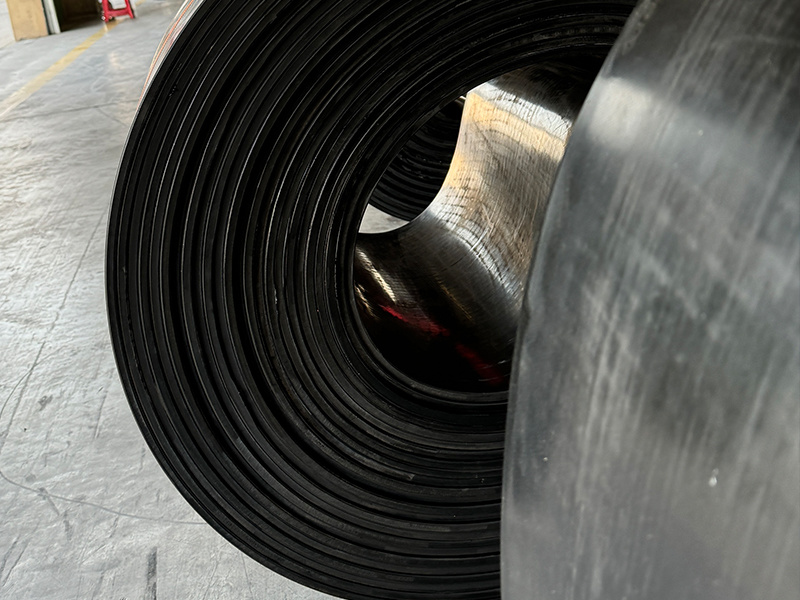
If PVC conveyor belt is to be hemmed, it usually needs 2 cloth and 2 glue or more to be suitable for hemming. First, separate the cloth surface from the glue surface, and then wrap the edge with the glue surface on the surface, so that the hemming is completed. And the use of hot melt process, the edge of the bag and the conveyor belt as a whole.