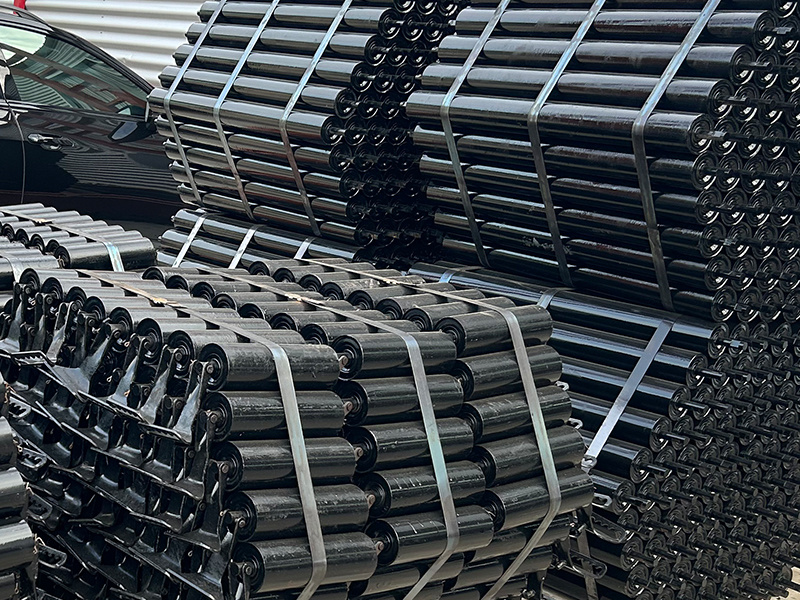
Understanding the Mechanics of Friction Self-Aligning Rollers: A Comprehensive Guide
2026-09-29


Understanding the Mechanics of Friction Self-Aligning Rollers
Self-aligning rollers have become essential components in various engineering applications, particularly in manufacturing and construction machinery. Their ability to accommodate misalignment while maintaining performance makes them invaluable in several industries. This article offers an in-depth exploration of friction self-aligning r
Understanding the Mechanics of Friction Self-Aligning Rollers
Self-aligning rollers have become essential components in various engineering applications, particularly in manufacturing and construction machinery. Their ability to accommodate misalignment while maintaining performance makes them invaluable in several industries. This article offers an in-depth exploration of friction self-aligning rollers, dissecting their mechanics, advantages, and applications.
Table of Contents
- 1. Introduction to Friction Self-Aligning Rollers
- 2. Mechanics of Friction Self-Aligning Rollers
- 3. Types of Friction Self-Aligning Rollers
- 4. Benefits of Using Friction Self-Aligning Rollers
- 5. Applications in Manufacturing and Construction
- 6. Maintenance Tips for Friction Self-Aligning Rollers
- 7. How to Choose the Right Self-Aligning Roller
- 8. The Future of Friction Self-Aligning Rollers in Engineering
- 9. Frequently Asked Questions
- 10. Conclusion
1. Introduction to Friction Self-Aligning Rollers
Friction self-aligning rollers are specifically designed to manage misalignment in rotating machinery. These rollers allow for a degree of axial and radial misalignment, which is crucial in applications where perfect alignment is unattainable. Understanding how these rollers work can significantly enhance operational efficiency and longevity in machinery.
2. Mechanics of Friction Self-Aligning Rollers
Friction self-aligning rollers operate on fundamental principles of friction and mechanical design. Their primary function is to minimize wear and tear by accommodating misalignment due to various factors, such as thermal expansion or installation errors.
Understanding Friction
Friction is the resistance that one surface or object encounters when moving over another. In the context of self-aligning rollers, friction plays a critical role in maintaining the load-bearing capabilities of the machinery. The design of these rollers typically includes a cylindrical shape, allowing smooth movement while providing stability.
How Self-Alignment Works
Self-aligning rollers employ a specific geometry that permits them to rotate freely even when misalignment occurs. The rollers pivot at their axes, thereby allowing for a self-correcting motion that redistributes stress more evenly across the component. This mechanism is crucial for minimizing operational failures and extending the lifespan of machinery.
3. Types of Friction Self-Aligning Rollers
There are several types of friction self-aligning rollers, each suited for different applications. Understanding the distinctions between these types can help in selecting the right roller for your specific needs.
Cylindrical Self-Aligning Rollers
These are the most common types and are widely used in various applications. They provide excellent load-carrying capabilities while allowing for alignment adjustments.
Spherical Self-Aligning Rollers
Spherical rollers feature a ball-like design that provides even more flexibility in terms of alignment. They are ideal for heavy-duty applications where load distribution is critical.
Conical Self-Aligning Rollers
These rollers are designed with a conical shape that allows for better handling of high radial loads while maintaining alignment. They are frequently used in industrial machinery where precision is paramount.
4. Benefits of Using Friction Self-Aligning Rollers
The advantages of incorporating friction self-aligning rollers into machinery are numerous. From enhanced efficiency to prolonged equipment life, these rollers can significantly improve performance.
Enhanced Load Distribution
Self-aligning rollers help distribute loads evenly across the machinery, reducing stress on individual components. This leads to lower wear rates and longer operational life.
Reduction in Maintenance Costs
By minimizing misalignment-related failures, these rollers can lead to decreased maintenance costs. Fewer breakdowns mean less downtime and higher productivity.
Improved Performance
Self-aligning rollers contribute to smoother operations, which can directly impact production rates. Enhanced performance translates to better output quality and efficiency.
5. Applications in Manufacturing and Construction
Friction self-aligning rollers find a wide range of applications across different sectors, particularly in manufacturing and construction.
Manufacturing Machinery
In manufacturing settings, these rollers are ideal for conveyor systems, robotic arms, and other machinery that requires flexibility in alignment. Their ability to manage misalignment can lead to improved throughput and efficiency.
Construction Equipment
In construction, self-aligning rollers are often utilized in heavy machinery such as cranes and earth-moving equipment. Their robust design allows them to withstand harsh environments and heavy loads, ensuring reliability on the job site.
6. Maintenance Tips for Friction Self-Aligning Rollers
To maximize the lifespan and efficiency of friction self-aligning rollers, regular maintenance is essential. Here are some guidelines to follow.
Routine Inspections
Conduct regular inspections to check for signs of wear, misalignment, or damage. Early detection can prevent costly failures and downtime.
Lubrication
Ensure that the rollers are adequately lubricated to minimize friction and wear. The right lubrication can significantly enhance the performance and longevity of the rollers.
Alignment Checks
Periodically check the alignment of the rollers. Even though they are self-aligning, external factors may still affect their positioning.
7. How to Choose the Right Self-Aligning Roller
Selecting the appropriate friction self-aligning roller for your application requires consideration of several factors.
Load Requirements
Determine the load capacity needed for your specific application. Different rollers offer varying load-bearing capabilities, so it's essential to choose one that meets your requirements.
Environmental Conditions
Consider the environmental factors that will affect the roller, such as temperature, moisture, and exposure to chemicals. These elements can impact the roller's performance and longevity.
Operational Speed
Evaluate the speed at which the machinery will operate. Different rollers are designed to handle varying speeds, and selecting the right one can prevent premature wear.
8. The Future of Friction Self-Aligning Rollers in Engineering
As technology continues to evolve, the design and functionality of friction self-aligning rollers are expected to improve. Innovations may focus on materials that enhance durability, reduce friction, and further extend service life. The integration of smart technology could also lead to rollers that provide real-time data on performance and maintenance needs.
9. Frequently Asked Questions
What are friction self-aligning rollers used for?
Friction self-aligning rollers are used in various applications to accommodate misalignment and reduce wear in machinery.
How do friction self-aligning rollers work?
They work by allowing movement along their axis, enabling them to self-correct misalignment and distribute loads evenly.
What are the main benefits of using these rollers?
Benefits include enhanced load distribution, reduced maintenance costs, and improved machinery performance.
How often should self-aligning rollers be maintained?
Routine inspections and maintenance checks should be conducted regularly, typically every few months depending on usage.
Can these rollers be used in harsh environments?
Yes, many friction self-aligning rollers are designed to withstand harsh conditions, making them suitable for construction and industrial applications.
10. Conclusion
Friction self-aligning rollers play a pivotal role in enhancing the performance, efficiency, and longevity of machinery in manufacturing and construction. Understanding the mechanics behind these rollers is essential for making informed decisions regarding their application. By recognizing their benefits and adhering to proper maintenance practices, industries can optimize productivity and reduce operational costs. As technology advances, the future of friction self-aligning rollers promises even greater innovations that will further enhance their utility in engineering applications.
Keywords:
Previous
Latest News
Why do PVC conveyor belts need to be wrapped?
If PVC conveyor belt is to be hemmed, it usually needs 2 cloth and 2 glue or more to be suitable for hemming. First, separate the cloth surface from the glue surface, and then wrap the edge with the glue surface on the surface, so that the hemming is completed. And the use of hot melt process, the edge of the bag and the conveyor belt as a whole.