Revolutionize Your Metal Processing with the Electromagnetic Iron Remover
2025-12-04


In the fast-paced industrial and manufacturing sectors, efficiency, safety, and quality control are paramount. One of the most persistent challenges companies face is the contamination of materials with unwanted iron particles, which can lead to equipment damage, product defects, and safety hazards. The electromagnetic iron remover is a state-of-the-art solution designed to address this critical issue, offering an efficient, reliable, and cost-effective method for removing iron contaminants from various materials. This advanced device employs powerful electromagnetic technology to attract and extract ferrous particles from production lines, ensuring that raw materials and finished products remain free from metallic impurities.
The core advantage of the electromagnetic iron remover lies in its ability to handle high volumes of material without interrupting the production flow. Unlike traditional mechanical separation methods, which are often labor-intensive and prone to inefficiencies, the electromagnetic solution operates continuously, delivering consistent results. Its high magnetic strength allows it to capture even the smallest iron particles, preventing them from damaging sensitive machinery or compromising product quality. This precision makes it an indispensable tool for industries such as food processing, pharmaceuticals, plastics, textiles, and chemical manufacturing, where purity and safety are non-negotiable.
Functionality is another highlight of the electromagnetic iron remover. It can be seamlessly integrated into existing production lines, whether installed over conveyors, hoppers, or pipelines. The device’s design ensures minimal maintenance while maximizing operational uptime. Moreover, its adjustable magnetic field allows operators to tailor the removal process to specific material types and contamination levels, enhancing versatility and efficiency. This adaptability makes it a practical investment for businesses seeking to optimize production while maintaining strict quality standards.
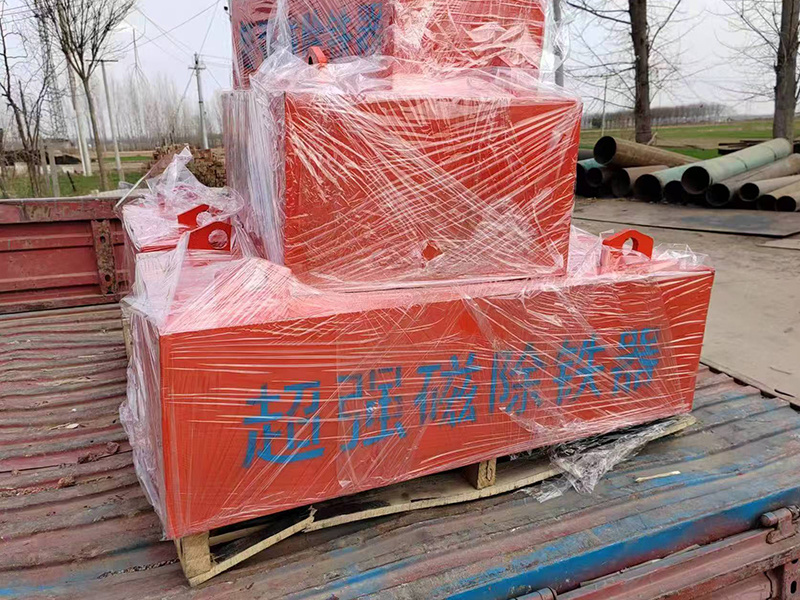
Numerous case studies demonstrate the transformative impact of the electromagnetic iron remover. A leading food processing company reported a significant reduction in machinery downtime and product recalls after implementing the device across multiple production lines. Another manufacturer in the plastic industry experienced improved product consistency and lower maintenance costs, highlighting the tangible ROI associated with adopting electromagnetic separation technology. These real-world examples illustrate that the benefits extend beyond contamination control, contributing to operational efficiency, cost savings, and enhanced customer satisfaction.
For companies grappling with the challenges of material contamination, the electromagnetic iron remover addresses several pain points simultaneously. It eliminates the risk of equipment damage caused by stray metal particles, reduces product waste, ensures compliance with strict industry regulations, and improves overall production efficiency. In an era where quality and safety are closely linked to brand reputation, adopting such cutting-edge technology can provide a competitive advantage.
In conclusion, the electromagnetic iron remover represents a revolutionary approach to industrial material purification. Its powerful magnetic separation, seamless integration, and proven track record make it an essential tool for any manufacturer aiming to enhance product quality, protect equipment, and optimize operations. Investing in this technology not only safeguards your production process but also delivers measurable returns through reduced downtime, lower maintenance costs, and superior product consistency. For industries seeking to stay ahead in quality and efficiency, the electromagnetic iron remover is an indispensable solution.
Keywords:
Latest News
Why do PVC conveyor belts need to be wrapped?