Understanding Steeply Inclined Conveyor Belts: Innovations in Material Handling
2025-09-09


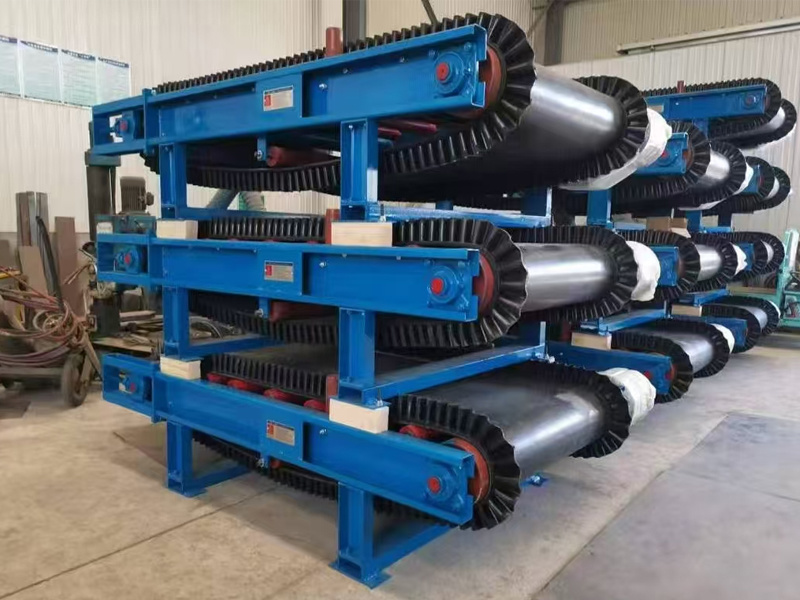
Steeply inclined conveyor belts are engineered to transport materials at significant angles, often exceeding 30 degrees and sometimes going up to 90 degrees, depending on the design and application. Their unique construction allows them to handle bulk materials, aggregates, and other heavy items efficiently, minimizing the space required for horizontal transport.
One of the most critical aspects o
Steeply inclined conveyor belts are engineered to transport materials at significant angles, often exceeding 30 degrees and sometimes going up to 90 degrees, depending on the design and application. Their unique construction allows them to handle bulk materials, aggregates, and other heavy items efficiently, minimizing the space required for horizontal transport.
One of the most critical aspects of steeply inclined conveyor belts is their ability to maintain material stability while being transported. This is achieved through a combination of design features such as corrugated sidewalls and cleats. These elements prevent materials from sliding back down the incline, ensuring a smooth and continuous flow. Utilizing these belts can help reduce the footprint of machinery in tight spaces, making them particularly advantageous in urban construction projects or confined manufacturing areas.
In the manufacturing sector, steeply inclined conveyor belts facilitate the movement of materials from one processing stage to another without the need for manual handling. This enhances operational efficiency and reduces the likelihood of workplace injuries associated with heavy lifting. By automating the transportation of materials, manufacturers can optimize their workflows and streamline production processes.
Moreover, steeply inclined conveyor belts are adaptable and can be used in various industries, including mining, agriculture, and waste management. For example, in mining operations, these conveyors efficiently transport extracted ore from lower levels to processing facilities located at higher elevations. In agricultural applications, they assist in moving grains or fertilizers from storage silos to loading areas, enhancing the overall efficiency of operations.
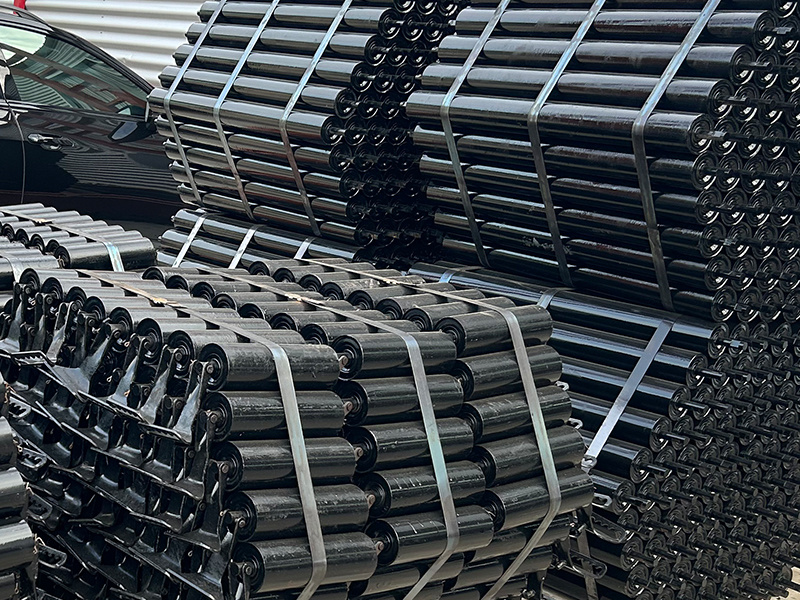
Maintenance is also a vital consideration for steeply inclined conveyor belts. Regular inspections and timely interventions can ensure that the belts operate smoothly and safely. Addressing wear and tear on the belt and its components like rollers and pulleys can significantly extend the service life of the conveyor system.
In conclusion, steeply inclined conveyor belts represent a crucial innovation in material handling within the engineering and construction machinery industry. Their design not only facilitates efficient transportation but also contributes to workplace safety and operational efficiency. Understanding the functionalities and advantages of these conveyors can help businesses make informed decisions about their machinery and processes, ultimately leading to enhanced productivity and reduced costs in the long run.
One of the most critical aspects of steeply inclined conveyor belts is their ability to maintain material stability while being transported. This is achieved through a combination of design features such as corrugated sidewalls and cleats. These elements prevent materials from sliding back down the incline, ensuring a smooth and continuous flow. Utilizing these belts can help reduce the footprint of machinery in tight spaces, making them particularly advantageous in urban construction projects or confined manufacturing areas.
In the manufacturing sector, steeply inclined conveyor belts facilitate the movement of materials from one processing stage to another without the need for manual handling. This enhances operational efficiency and reduces the likelihood of workplace injuries associated with heavy lifting. By automating the transportation of materials, manufacturers can optimize their workflows and streamline production processes.
Moreover, steeply inclined conveyor belts are adaptable and can be used in various industries, including mining, agriculture, and waste management. For example, in mining operations, these conveyors efficiently transport extracted ore from lower levels to processing facilities located at higher elevations. In agricultural applications, they assist in moving grains or fertilizers from storage silos to loading areas, enhancing the overall efficiency of operations.
Maintenance is also a vital consideration for steeply inclined conveyor belts. Regular inspections and timely interventions can ensure that the belts operate smoothly and safely. Addressing wear and tear on the belt and its components like rollers and pulleys can significantly extend the service life of the conveyor system.
In conclusion, steeply inclined conveyor belts represent a crucial innovation in material handling within the engineering and construction machinery industry. Their design not only facilitates efficient transportation but also contributes to workplace safety and operational efficiency. Understanding the functionalities and advantages of these conveyors can help businesses make informed decisions about their machinery and processes, ultimately leading to enhanced productivity and reduced costs in the long run.
Keywords:
Latest News
Why do PVC conveyor belts need to be wrapped?
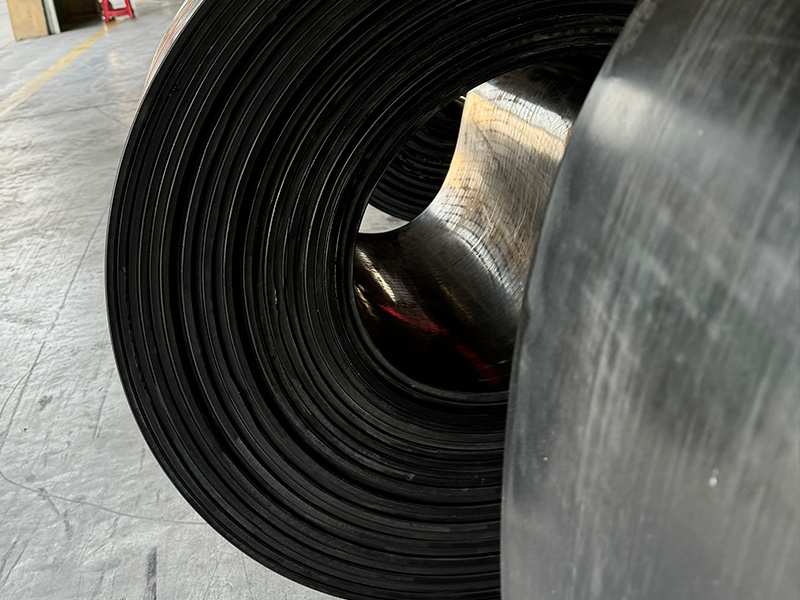
If PVC conveyor belt is to be hemmed, it usually needs 2 cloth and 2 glue or more to be suitable for hemming. First, separate the cloth surface from the glue surface, and then wrap the edge with the glue surface on the surface, so that the hemming is completed. And the use of hot melt process, the edge of the bag and the conveyor belt as a whole.