Understanding Steeply Inclined Conveyor Belts: A Key Component in Bulk Material Handling
2025-09-15


Steeply inclined conveyor belts are specialized systems designed to transport bulk materials at steep angles, often exceeding typical incline limits. These conveyor systems are crucial in various industries, including construction, mining, and manufacturing, where space constraints or specific material handling requirements make traditional flat conveyors inadequate. Understanding the mechanics an
Steeply inclined conveyor belts are specialized systems designed to transport bulk materials at steep angles, often exceeding typical incline limits. These conveyor systems are crucial in various industries, including construction, mining, and manufacturing, where space constraints or specific material handling requirements make traditional flat conveyors inadequate. Understanding the mechanics and benefits of steeply inclined conveyor belts can help professionals optimize their operations and improve efficiency.
One of the primary advantages of steeply inclined conveyor belts is their ability to maximize vertical space. In environments where horizontal space is limited, such as construction sites or production facilities, these conveyors allow for effective material transport without requiring extensive ground area. This characteristic is particularly beneficial when dealing with bulk materials like sand, gravel, or aggregates, enabling companies to streamline their processes and minimize handling times.
The design of steeply inclined conveyor belts involves several key components that differentiate them from standard conveyor systems. These belts often feature reinforced construction, allowing them to maintain structural integrity under high loads and steep angles. Additionally, the belting material is typically designed to prevent slippage, ensuring that materials remain securely in place during transport. The angle of inclination can vary based on the specific application, but steeply inclined belts can handle angles upwards of 30 degrees or more, depending on the material and system design.
In manufacturing and construction, steeply inclined conveyor belts are commonly used for transporting materials from one elevation to another. For instance, they can efficiently move crushed stone from ground level to a higher elevation for processing or loading into trucks. This capability reduces the need for additional equipment, such as front-end loaders or cranes, which can significantly decrease project costs and labor requirements.
Moreover, steeply inclined conveyor belts can be integrated with various automation technologies. This integration allows for real-time monitoring and control of material flow, enhancing overall efficiency. Automated systems can help in adjusting the conveyor speed and inclination based on the material type and flow rate, leading to an optimized transport process.
In conclusion, steeply inclined conveyor belts represent a vital solution for industries that require effective bulk material handling. Their ability to transport materials at steep angles while optimizing space and reducing labor costs makes them an invaluable asset in manufacturing and construction machinery. By understanding the functionality and applications of these systems, professionals can make informed decisions that enhance operational efficiency and improve material transport processes.
Keywords:
Latest News
Why do PVC conveyor belts need to be wrapped?
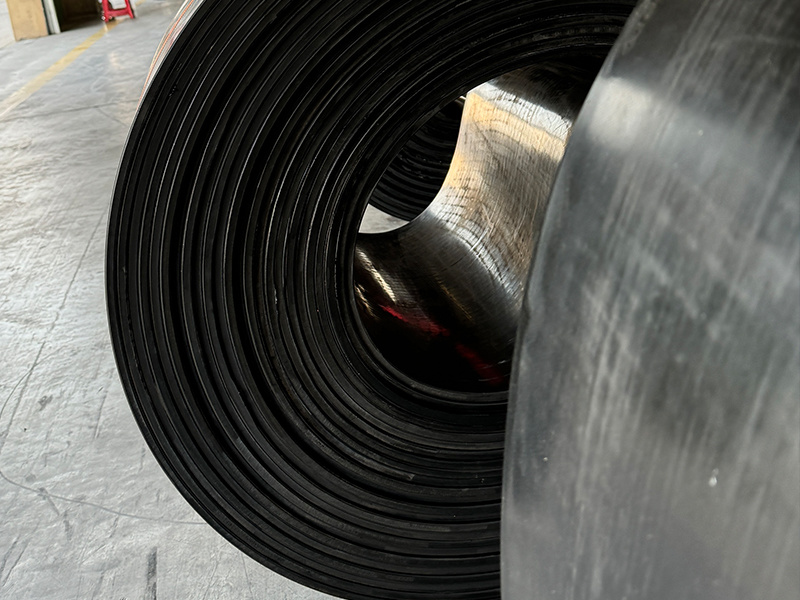
If PVC conveyor belt is to be hemmed, it usually needs 2 cloth and 2 glue or more to be suitable for hemming. First, separate the cloth surface from the glue surface, and then wrap the edge with the glue surface on the surface, so that the hemming is completed. And the use of hot melt process, the edge of the bag and the conveyor belt as a whole.