Unlocking Efficiency: The Role of Steeply Inclined Conveyor Belts in Modern Manufacturing
2025-09-16


Unlocking Efficiency: The Role of Steeply Inclined Conveyor Belts in Modern Manufacturing
Table of Contents
1. Introduction to Steeply Inclined Conveyor Belts
2. What Are Steeply Inclined Conveyor Belts?
3. Key Advantages of Steeply Inclined Conveyor Belts
4. Applications of Steeply Inclined Conveyor Belts in Various Industries
5. Design and Engineering Considerations
6. M
Unlocking Efficiency: The Role of Steeply Inclined Conveyor Belts in Modern Manufacturing
Table of Contents
- 1. Introduction to Steeply Inclined Conveyor Belts
- 2. What Are Steeply Inclined Conveyor Belts?
- 3. Key Advantages of Steeply Inclined Conveyor Belts
- 4. Applications of Steeply Inclined Conveyor Belts in Various Industries
- 5. Design and Engineering Considerations
- 6. Maintenance and Safety of Steeply Inclined Conveyor Belts
- 7. Future Trends and Innovations
- 8. Conclusion
- 9. Frequently Asked Questions
1. Introduction to Steeply Inclined Conveyor Belts
In the realm of modern manufacturing, the **importance of efficient material handling** cannot be overstated. One of the most transformative solutions emerging in this field is the **steeply inclined conveyor belt**. These systems are designed not just to transport materials, but to do so with enhanced efficiency and reduced operational costs. By understanding the role of steeply inclined conveyor belts, manufacturers can unlock new levels of productivity and creativity in their processes.
2. What Are Steeply Inclined Conveyor Belts?
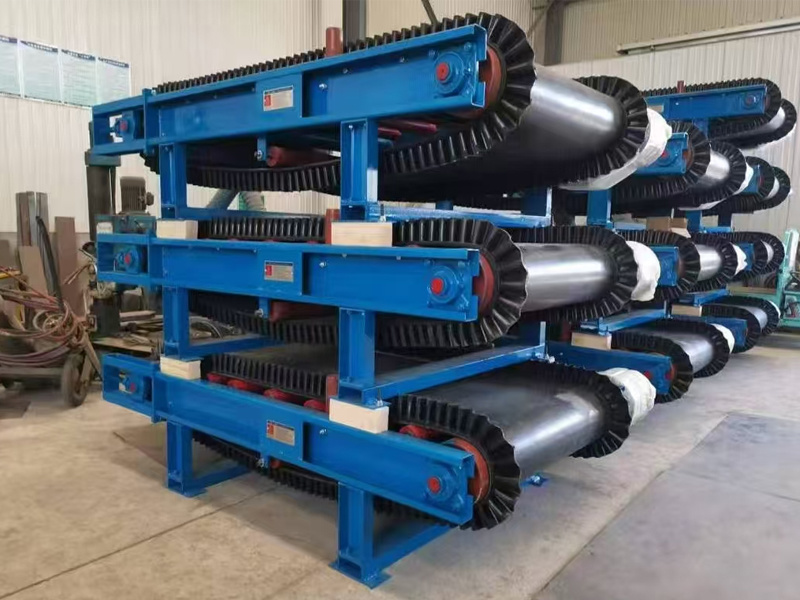
Steeply inclined conveyor belts are specialized types of belts used to transport materials at angles often exceeding **30 degrees**. The design of these belts incorporates unique features such as **cleats** and **sidewalls** that prevent materials from sliding back down the incline. This design is crucial for maintaining a smooth flow of materials, especially in environments where space is limited or where vertical transport is necessary.
Types of Steeply Inclined Conveyor Belts
There are several types of inclined conveyor belts tailored to specific applications:
1. **Chevron Belts**: Featuring a V-shaped pattern, these belts are ideal for transporting bulk materials safely.
2. **Modular Belts**: Composed of interlocking segments, these belts offer flexibility and can navigate complex paths.
3. **Plastic or Rubber-Coated Belts**: These belts provide superior grip and durability, suitable for handling heavy or abrasive materials.
3. Key Advantages of Steeply Inclined Conveyor Belts
The adoption of steeply inclined conveyor belts offers numerous benefits that enhance manufacturing efficiency:
Space Optimization
Utilizing vertical space effectively can significantly reduce the footprint of a manufacturing facility. Steeply inclined conveyor belts allow for **high-density storage solutions**, minimizing the need for extensive ground-level layouts.
Increased Material Handling Capacity
By enabling the transportation of larger volumes of materials in a shorter amount of time, these conveyor systems enhance overall throughput. Their design allows for continuous flow, which is crucial in high-demand production environments.
Reduced Labor Costs
Automation through inclined conveyor belts minimizes the need for manual handling, reducing labor costs and the likelihood of workplace injuries. This is particularly beneficial in industries where heavy lifting is common.
Improved Safety Features
Modern inclined conveyor belts come equipped with **safety features** like emergency stopping mechanisms, ensuring a safer working environment. Their design also minimizes the risk of materials spilling or falling, which is a common concern in manufacturing settings.
4. Applications of Steeply Inclined Conveyor Belts in Various Industries
Steeply inclined conveyor belts find applications across a wide range of industries, each benefitting from their unique capabilities:
Construction and Building Materials
In the construction sector, steeply inclined belts transport materials like gravel, sand, and concrete. This efficiency aids in quick site setup and reduces bottlenecks during construction projects.
Mining and Aggregates
Mining operations rely heavily on inclined conveyor systems for transporting mined materials from deep mines to processing areas. Their robust design handles the weight and wear associated with heavy materials.
Food Processing Industry
In the food industry, inclined conveyor belts are used to move products through processing lines, from washing to packaging. Their design ensures hygienic handling, complying with food safety standards.
Recycling and Waste Management
In recycling facilities, steeply inclined conveyor belts efficiently sort and transport various types of waste materials. Their ability to handle mixed loads makes them ideal for material recovery operations.
5. Design and Engineering Considerations
Designing an effective steeply inclined conveyor belt involves careful consideration of several factors:
Material Selection
The materials used in constructing the belt and its components must withstand the operational demands. Options include high-durability plastics or steel reinforcements that add strength.
Inclination Angle
Determining the correct **inclination angle** is critical. While steeper angles allow for more efficient vertical transport, they must be balanced with the risk of material slippage.
Drive Systems
The choice of drive system impacts the efficiency and effectiveness of the conveyor. Options vary from electric motors to hydraulic systems, each offering different advantages based on the application.
6. Maintenance and Safety of Steeply Inclined Conveyor Belts
Maintenance is essential for ensuring the longevity and efficiency of conveyor systems. Regular inspections and cleaning help prevent breakdowns and maintain optimal performance.
Routine Maintenance Practices
Implementing a regular maintenance schedule includes:
- Checking belt tension
- Inspecting for wear on cleats and surfaces
- Lubricating moving parts
- Ensuring that safety mechanisms are functional
Safety Protocols
Establishing safety protocols is vital. Employees should be trained on the safe operation of conveyor systems, including emergency procedures and proper loading techniques.
7. Future Trends and Innovations
As technology progresses, steeply inclined conveyor belts are set to evolve further. Innovations like smart sensors and IoT integration may lead to enhanced monitoring and automation capabilities, optimizing their efficiency even more.
Smart Conveyor Systems
The integration of smart technology allows for real-time monitoring of conveyor performance, predictive maintenance, and improved operational insights.
Sustainability Initiatives
With a growing focus on sustainability, future designs may incorporate eco-friendly materials and energy-efficient drive systems, reducing the environmental impact of manufacturing processes.
8. Conclusion
Steeply inclined conveyor belts play a crucial role in modern manufacturing, providing solutions that enhance efficiency, safety, and productivity. As industries continue to evolve, embracing these advanced systems will be essential for maintaining a competitive edge. By understanding their advantages, applications, and maintenance needs, manufacturers can make informed decisions that lead to improved operational success.
9. Frequently Asked Questions
What materials can be transported using steeply inclined conveyor belts?
Steeply inclined conveyor belts are capable of transporting a wide variety of materials, including bulk materials like gravel, sand, and construction debris, as well as packaged goods in food processing and manufacturing industries.
How steep can the angle of an inclined conveyor belt be?
Typically, inclined conveyor belts can operate at angles between **30 to 90 degrees**, depending on the design and materials being transported. However, a common angle for efficient operation is between **30 to 45 degrees**.
What safety features should be included in inclined conveyor systems?
Inclined conveyor systems should include emergency stop mechanisms, guards to prevent materials from falling, and sensors to detect overload conditions.
How often should maintenance be performed on inclined conveyor belts?
Routine maintenance should be conducted at least **monthly**, with more frequent inspections and maintenance performed based on usage intensity and operational conditions.
Can inclined conveyor belts be customized for specific applications?
Yes, inclined conveyor belts can be customized in terms of size, angle, material, and design features to suit specific operational requirements and material types.
By thoroughly exploring the role of steeply inclined conveyor belts in modern manufacturing, we can see that their impact goes far beyond simple material transport. They are a vital component of a more efficient, productive, and safe manufacturing process.
Keywords:
Previous
Latest News
Why do PVC conveyor belts need to be wrapped?
If PVC conveyor belt is to be hemmed, it usually needs 2 cloth and 2 glue or more to be suitable for hemming. First, separate the cloth surface from the glue surface, and then wrap the edge with the glue surface on the surface, so that the hemming is completed. And the use of hot melt process, the edge of the bag and the conveyor belt as a whole.