Maximize Productivity with Steeply Inclined Conveyor Belts in Construction Machinery
2025-09-18


Maximize Productivity with Steeply Inclined Conveyor Belts in Construction Machinery
Introduction to Steeply Inclined Conveyor Belts
In the fast-paced world of construction machinery, efficiency and productivity are paramount. One of the most innovative solutions that has emerged in recent years is the **steeply inclined conveyor belt**. These conveyor systems are designed to transport materials a
Maximize Productivity with Steeply Inclined Conveyor Belts in Construction Machinery
Introduction to Steeply Inclined Conveyor Belts
In the fast-paced world of construction machinery, efficiency and productivity are paramount. One of the most innovative solutions that has emerged in recent years is the **steeply inclined conveyor belt**. These conveyor systems are designed to transport materials at sharp angles, overcoming the challenges presented by limited space and steep terrain. In this article, we will explore the benefits, applications, and best practices for implementing steeply inclined conveyor belts in your construction operations.
The Importance of Conveyor Systems in Construction
Conveyor systems are essential in the construction industry for various reasons:
- **Efficiency**: They greatly speed up the transportation of materials, reducing manual labor and potential delays.
- **Safety**: By mechanizing the movement of heavy materials, the risk of worker injury is significantly lowered.
- **Versatility**: Conveyors can be used for a wide range of materials, including aggregates, soil, and construction debris.
Steeply inclined conveyor belts take these benefits a step further by allowing construction teams to navigate challenging terrains and optimize space usage on site.
What Are Steeply Inclined Conveyor Belts?
Steeply inclined conveyor belts are designed to transport materials at angles greater than 30 degrees. Unlike traditional conveyor systems, these belts employ unique design features, such as:
- **Sidewalls**: Prevent spillage and allow for higher loading capacities.
- **Cleats**: Provide additional grip and support for materials being transported.
- **Larger Widths**: Enhance load capacity and ensure smoother operations.
These features make steeply inclined conveyor belts suitable for various applications, from moving bulk materials to facilitating recycling processes.
Advantages of Steeply Inclined Conveyor Belts
Incorporating steeply inclined conveyor belts into your construction machinery can offer numerous advantages:
1. Space Optimization
In crowded construction sites, space is often at a premium. Steeply inclined conveyor belts allow materials to be moved vertically, freeing up valuable horizontal space. This vertical movement can be crucial in urban settings or confined sites.
2. Increased Load Capacity
With their innovative design, steeply inclined conveyors can carry larger loads compared to traditional systems. This increased capacity translates into fewer trips and reduced transportation times, thereby enhancing overall productivity.
3. Enhanced Safety Features
Safety is a top priority in construction. The use of steeply inclined conveyor belts minimizes the need for manual handling of heavy materials, reducing the risk of accidents and injuries on the job site.
4. Cost-Effective Solutions
By improving efficiency and reducing labor costs, steeply inclined conveyor belts can lead to significant savings. Moreover, their durability and low maintenance requirements make them a long-term investment.
Applications of Steeply Inclined Conveyor Belts in Construction
Steeply inclined conveyor belts are versatile and can be applied in various construction scenarios:
1. Material Transport
Whether moving gravel, sand, or soil, these conveyors facilitate the swift and safe transport of bulk materials from one area to another.
2. Demolition Projects
In demolition operations, steeply inclined conveyor belts can efficiently transport debris away from the site, streamlining the cleanup process.
3. Recycling Facilities
Steeply inclined conveyors are also utilized in recycling plants to move sorted materials up to storage areas, enhancing operational efficiency.
4. Tunnel Construction
In tunnel and underground construction, these conveyor systems can transport materials in confined spaces, where traditional machinery may not be feasible.
Best Practices for Implementing Steeply Inclined Conveyor Belts
To maximize productivity while ensuring safety, consider the following best practices:
1. Proper Planning and Design
Before implementing steeply inclined conveyor belts, a thorough assessment of the site is essential. Factors like angle, load capacity, and material type should inform the design and setup of the conveyor system.
2. Regular Maintenance
Routine inspections and maintenance are critical for ensuring the longevity and efficiency of your conveyor systems. Addressing wear and tear promptly will prevent costly downtime.
3. Operator Training
Invest in training for your operators to ensure they understand how to use the conveyor systems safely and effectively. Proper training enhances productivity and minimizes accidents.
4. Integration with Other Equipment
Consider how steeply inclined conveyor belts can complement other machinery on site. Integrating them with excavators, loaders, and other equipment can enhance material flow and overall efficiency.
Common Challenges and Solutions
While steeply inclined conveyor belts offer many benefits, they also present some challenges:
1. Belt Slippage
When transporting materials at steep angles, slippage can occur. To mitigate this, ensure the use of high-friction materials for belt construction and maintain appropriate tension.
2. Material Blockage
Blockage can happen if the material is not adequately prepared for transport. Using pre-screening techniques before loading materials onto the conveyor can help reduce this issue.
3. Environmental Considerations
Dust and noise can be concerns when operating conveyor systems. Employing dust suppression systems and ensuring proper alignment can minimize these environmental impacts.
4. Initial Investment Costs
Though steeply inclined conveyor belts can save money in the long run, the initial investment can be significant. However, when calculated against the potential savings in labor and time, they often prove to be worthwhile.
Future Trends in Conveyor Technology
As technology continues to evolve, so does the design and functionality of conveyor systems:
1. Automation and Smart Technology
The integration of automation in conveyor systems is on the rise. Smart sensors can monitor material flow, detect issues in real-time, and optimize operations without human intervention.
2. Sustainable Materials and Designs
As the construction industry moves towards sustainability, manufacturers are focusing on using eco-friendly materials for conveyor belts. These innovations contribute to greener construction practices.
3. Enhanced Safety Features
Future conveyor systems will likely incorporate advanced safety features, such as automatic shutdown mechanisms and more robust emergency stop systems.
Conclusion
Incorporating **steeply inclined conveyor belts** into your construction machinery arsenal can significantly maximize productivity while ensuring safety and efficiency. By understanding the advantages, applications, and best practices outlined above, construction teams can leverage these innovative systems to streamline operations and enhance project outcomes. As technology continues to evolve, staying ahead of trends will be essential for maintaining a competitive edge in this dynamic industry.
FAQs
1. What is the maximum angle for steeply inclined conveyor belts?
The maximum angle typically ranges from 30 to 45 degrees, depending on the design and the materials being transported.
2. How do I choose the right steeply inclined conveyor belt for my project?
Consider factors such as the type of materials, load capacity, distance, and the specific site conditions when selecting a conveyor belt.
3. Are steeply inclined conveyor belts suitable for all types of materials?
While they are versatile, certain materials may require specific design features to prevent slippage or blockage.
4. What maintenance is required for steeply inclined conveyor belts?
Regular inspections, cleaning, and tension adjustments are vital for ensuring optimal performance.
5. Can steeply inclined conveyor belts be used in wet conditions?
Yes, but additional measures, such as using non-slip belts and ensuring proper drainage, may be necessary to avoid slippage and blockages.
Keywords:
Latest News
Why do PVC conveyor belts need to be wrapped?
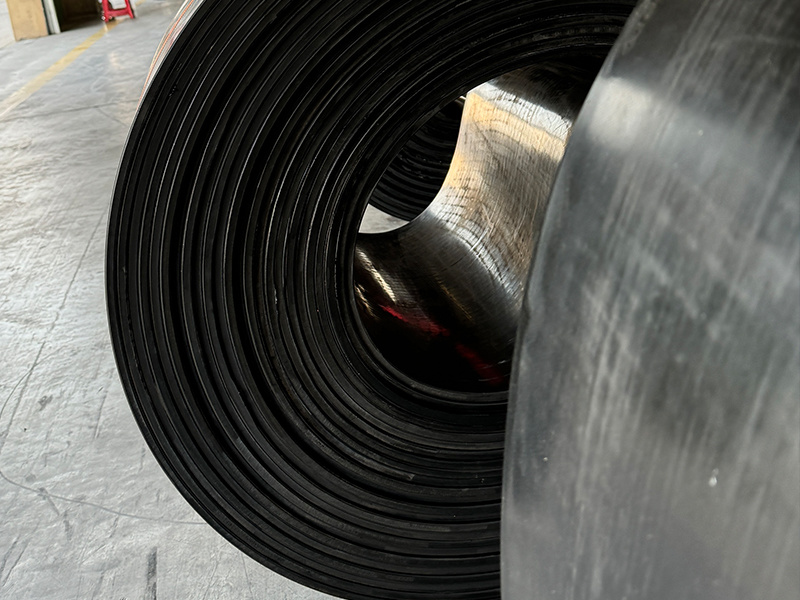
If PVC conveyor belt is to be hemmed, it usually needs 2 cloth and 2 glue or more to be suitable for hemming. First, separate the cloth surface from the glue surface, and then wrap the edge with the glue surface on the surface, so that the hemming is completed. And the use of hot melt process, the edge of the bag and the conveyor belt as a whole.