Enhancing Manufacturing Efficiency with Permanent Magnetic Separators
2025-09-21


Permanent magnetic separators are critical components in various manufacturing processes, particularly in the field of engineering and construction machinery, including earthmoving and transportation equipment. These devices utilize the natural magnetic properties of certain materials to efficiently separate ferrous contaminants from non-magnetic substances. Understanding the functionality and adv
Permanent magnetic separators are critical components in various manufacturing processes, particularly in the field of engineering and construction machinery, including earthmoving and transportation equipment. These devices utilize the natural magnetic properties of certain materials to efficiently separate ferrous contaminants from non-magnetic substances. Understanding the functionality and advantages of permanent magnetic separators can greatly enhance operational efficiencies and product quality in the manufacturing industry.
The primary mechanism of a permanent magnetic separator involves the use of powerful permanent magnets that generate a magnetic field. As materials pass through this field, ferrous particles are attracted and removed, ensuring that the end products are free from unwanted metal contaminants. This process not only safeguards machinery from wear and tear caused by metal particles but also enhances the quality and reliability of the final products, which is paramount in demanding sectors such as construction and earthmoving.
In manufacturing scenarios, utilizing a permanent magnetic separator can significantly reduce downtime. Machinery often needs maintenance when metal particles cause operational failures. With a magnetic separator in place, the frequency of such breakdowns can be minimized, leading to smoother production runs and reduced maintenance costs. Moreover, incorporating these separators can improve workplace safety by minimizing the risk of metal-related accidents and injuries.
There are various types of permanent magnetic separators, including drum separators, belt separators, and plate magnets. Each type is designed for specific applications and can be customized according to the material being processed. For example, drum separators are ideal for bulk materials, while plate magnets are effective for applications involving smaller particles. Selecting the right type of separator is essential for optimizing performance and achieving desired results.
Implementing permanent magnetic separators not only enhances product purity but also contributes to overall sustainability in manufacturing. By effectively removing metal contaminants, manufacturers can reduce waste and improve recycling processes. This aligns with growing industry trends focused on sustainability and environmental responsibility, which are increasingly becoming critical factors in business operations.
In conclusion, understanding and implementing permanent magnetic separators is vital for professionals in the manufacturing and processing machinery sector. These devices play an essential role in enhancing operational efficiency, ensuring product quality, and improving workplace safety. By integrating permanent magnetic separators into production processes, businesses can achieve significant competitive advantages in an ever-evolving market landscape.
Keywords:
Latest News
Why do PVC conveyor belts need to be wrapped?
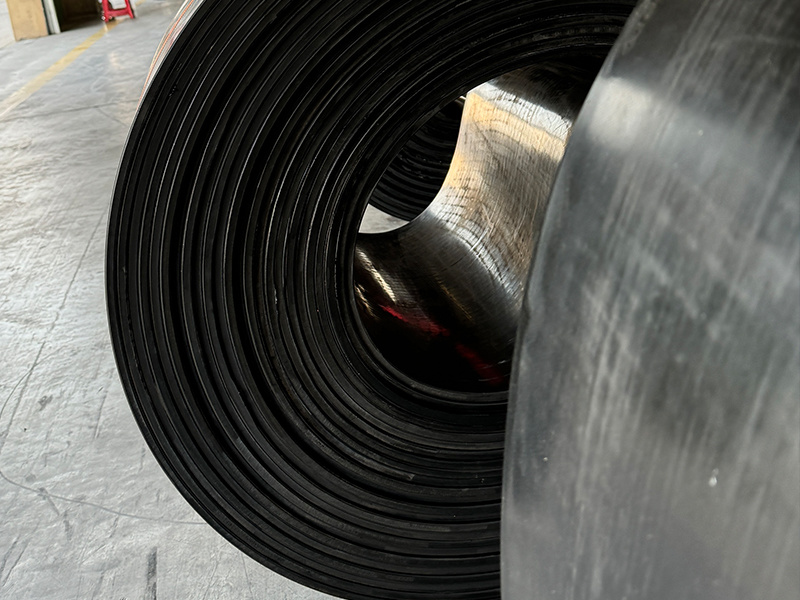
If PVC conveyor belt is to be hemmed, it usually needs 2 cloth and 2 glue or more to be suitable for hemming. First, separate the cloth surface from the glue surface, and then wrap the edge with the glue surface on the surface, so that the hemming is completed. And the use of hot melt process, the edge of the bag and the conveyor belt as a whole.