Unlocking Efficiency: How Permanent Magnetic Separators Revolutionize Manufacturing Processes
2025-09-24


Unlocking Efficiency: How Permanent Magnetic Separators Revolutionize Manufacturing Processes
Table of Contents
1. Introduction to Permanent Magnetic Separators
2. What Are Permanent Magnetic Separators?
3. How Do Permanent Magnetic Separators Work?
4. Key Benefits of Using Permanent Magnetic Separators
5. Applications of Permanent Magnetic Separators in Various Industries
Unlocking Efficiency: How Permanent Magnetic Separators Revolutionize Manufacturing Processes
Table of Contents
- 1. Introduction to Permanent Magnetic Separators
- 2. What Are Permanent Magnetic Separators?
- 3. How Do Permanent Magnetic Separators Work?
- 4. Key Benefits of Using Permanent Magnetic Separators
- 5. Applications of Permanent Magnetic Separators in Various Industries
- 6. Criteria for Selecting the Right Magnetic Separator
- 7. Maintenance and Care for Permanent Magnetic Separators
- 8. Future Trends in Magnetic Separation Technology
- 9. Frequently Asked Questions
- 10. Conclusion
1. Introduction to Permanent Magnetic Separators
In the dynamic landscape of manufacturing, efficiency is the key driver behind productivity and profitability. As industries strive to optimize their processes, **permanent magnetic separators** have emerged as a crucial technology, enhancing material handling and separation in various applications. This article delves into the functionality, benefits, and applications of permanent magnetic separators, showcasing how they unlock efficiency in manufacturing processes.
2. What Are Permanent Magnetic Separators?
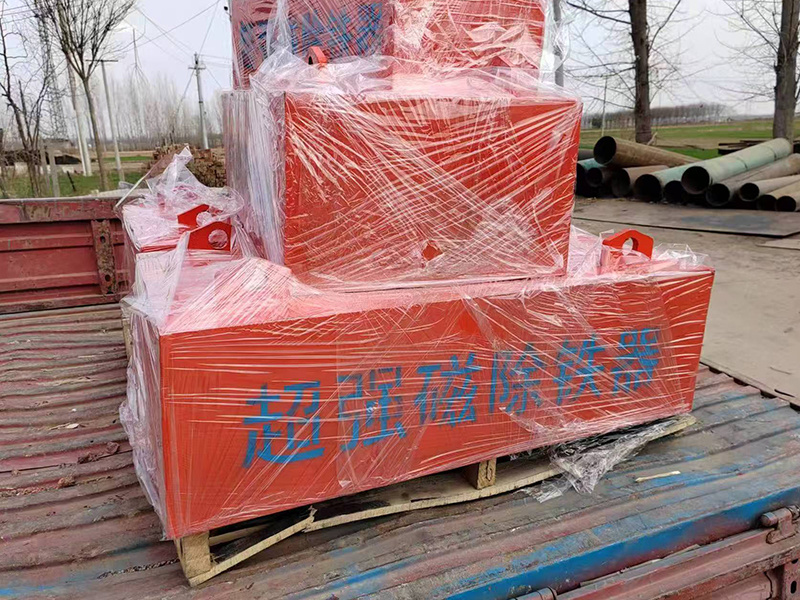
Permanent magnetic separators are devices that utilize high-intensity magnetic fields to separate ferrous materials from non-ferrous materials. Unlike electromagnetic separators, which require a power source to generate a magnetic field, permanent magnetic separators utilize permanent magnets, offering a more energy-efficient and cost-effective solution. These separators are designed to capture metal contaminants in various materials, ensuring the purity and quality of finished products.
3. How Do Permanent Magnetic Separators Work?
The operation of permanent magnetic separators relies on the principle of magnetism. When materials pass through the magnetic field generated by the permanent magnets, ferrous materials are attracted and held by the magnetic force, while non-ferrous materials continue through the process. This separation can occur in several configurations, including:
3.1 Magnetic Drum Separators
Magnetic drum separators consist of a rotating drum equipped with permanent magnets. As materials feed into the drum, ferrous particles are captured on the drum's surface and removed as the drum rotates.
3.2 Magnetic Belt Separators
In magnetic belt separators, a conveyor belt transports materials through a magnetic field. Ferrous materials are attracted to the magnetic surface while non-ferrous materials are discharged.
3.3 Magnetic Grates and Filters
These separators are installed in hoppers or chutes, where they capture metal contaminants from bulk materials, ensuring clean processing.
4. Key Benefits of Using Permanent Magnetic Separators
Implementing permanent magnetic separators in manufacturing processes yields numerous advantages:
4.1 Enhanced Product Quality
By effectively removing metal contaminants, these separators significantly improve the quality of the final product, reducing defects and ensuring compliance with industry standards.
4.2 Cost-Effective Operation
Permanent magnetic separators do not require electricity to operate, resulting in lower energy costs and reduced operational expenses compared to electromagnetic alternatives.
4.3 Low Maintenance Requirements
With no moving parts and robust construction, permanent magnetic separators are designed for longevity and require minimal maintenance, making them an excellent choice for sustainable manufacturing practices.
4.4 Increased Safety
By removing ferrous contaminants, these separators enhance workplace safety, preventing equipment damage and reducing the risk of accidents associated with metal shards.
4.5 Versatility
Permanent magnetic separators are adaptable for various applications across multiple industries, including food processing, mining, recycling, and plastics.
5. Applications of Permanent Magnetic Separators in Various Industries
Permanent magnetic separators find applications in a wide range of industries, enhancing manufacturing processes in several ways:
5.1 Food Industry
In food processing, these separators ensure the elimination of metal contaminants, maintaining product safety and quality. They are commonly used in grain processing, dairy, and meat production.
5.2 Mining and Minerals
In the mining sector, permanent magnetic separators are utilized to separate iron ore from impurities during the beneficiation process, improving the efficiency of mineral extraction.
5.4 Plastics Recycling
The plastics industry employs magnetic separators to remove ferrous materials from recycled plastics, thus enhancing the quality of recycled products.
6. Criteria for Selecting the Right Magnetic Separator
Choosing the appropriate permanent magnetic separator requires careful consideration of several factors:
6.1 Material Characteristics
Understanding the physical and chemical properties of the materials being processed is essential. Factors like particle size, composition, and moisture content influence separator selection.
6.2 Magnetic Strength
The strength of the magnetic field required varies based on the type of separation needed. Evaluating the ferrous content of the material helps determine the necessary magnetic strength.
6.3 Installation Space
The available space in the manufacturing facility will impact the design and type of magnetic separator. Ensuring compatibility with existing equipment is crucial for efficient integration.
7. Maintenance and Care for Permanent Magnetic Separators
To ensure optimal performance and longevity of permanent magnetic separators, regular maintenance is essential. Here are some best practices:
7.1 Routine Inspections
Conduct regular inspections to check for wear, corrosion, or any signs of damage. Ensuring the integrity of the magnetic field is critical for efficient operation.
7.2 Cleaning Procedures
Establish a cleaning schedule to remove accumulated debris and metal particles from the separator's surface. Cleaning helps maintain magnetic efficiency and product quality.
7.3 Calibration
Regularly calibrate the magnetic field strength to ensure optimal performance. This process may require professional evaluation based on the specific application.
8. Future Trends in Magnetic Separation Technology
As technology continues to evolve, several trends are shaping the future of magnetic separation:
8.1 Advanced Materials
Research into new materials for magnets promises improved strength and efficiency, enabling more effective separation processes.
8.2 Automation and IoT Integration
The integration of automation and the Internet of Things (IoT) into magnetic separation systems will enhance monitoring, control, and efficiency in manufacturing processes.
8.3 Environmental Sustainability
The focus on sustainable manufacturing practices drives the development of eco-friendly magnetic separation solutions, minimizing waste and energy consumption.
9. Frequently Asked Questions
9.1 What is the difference between permanent and electromagnetic separators?
Permanent separators use permanent magnets, requiring no external power source, while electromagnetic separators generate a magnetic field using electricity.
9.2 How do I know if a permanent magnetic separator is right for my application?
Evaluate the material characteristics, required magnetic strength, and installation space to determine suitability for your specific application.
9.3 Are permanent magnetic separators energy-efficient?
Yes, permanent magnetic separators are highly energy-efficient as they do not require electricity for operation.
9.4 How often should I maintain my magnetic separator?
Regular inspections should be conducted, with cleaning and maintenance as needed to ensure optimal performance.
9.5 Can magnetic separators be used for all materials?
While effective for many materials, magnetic separators are primarily designed for ferrous materials. Non-ferrous materials may require different separation methods.
10. Conclusion
In conclusion, permanent magnetic separators play a transformative role in enhancing manufacturing efficiency across various industries. Their ability to improve product quality, reduce operational costs, and ensure safety makes them an invaluable asset in modern manufacturing processes. As industries continue to evolve, leveraging the benefits of permanent magnetic separators will be essential to stay competitive and achieve sustainable growth. By understanding their functionality, applications, and maintenance requirements, businesses can unlock the full potential of magnetic separation technology, paving the way for a more efficient and productive future.
Keywords:
Latest News
Why do PVC conveyor belts need to be wrapped?
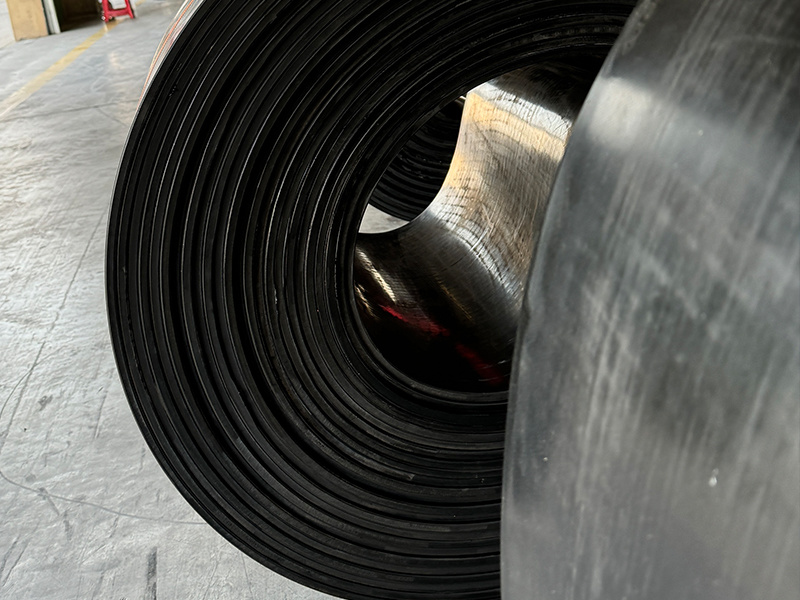
If PVC conveyor belt is to be hemmed, it usually needs 2 cloth and 2 glue or more to be suitable for hemming. First, separate the cloth surface from the glue surface, and then wrap the edge with the glue surface on the surface, so that the hemming is completed. And the use of hot melt process, the edge of the bag and the conveyor belt as a whole.