Understanding Permanent Magnetic Separators in Manufacturing and Construction Machinery
2025-09-27


Permanent magnetic separators are crucial components in various manufacturing and construction processes, especially in the realm of earthmoving machinery. These devices utilize the principles of magnetism to remove ferrous contaminants from industrial materials, ensuring the quality of the end products and protecting machinery from damaging particles.
The operation of a permanent magnetic separat
Permanent magnetic separators are crucial components in various manufacturing and construction processes, especially in the realm of earthmoving machinery. These devices utilize the principles of magnetism to remove ferrous contaminants from industrial materials, ensuring the quality of the end products and protecting machinery from damaging particles.
The operation of a permanent magnetic separator is relatively straightforward yet highly effective. It employs permanent magnets to create a magnetic field that attracts and holds ferrous materials, such as iron and steel, which can often be present in raw materials. As materials pass through the separator, these unwanted ferrous contaminants are efficiently extracted, leaving behind a clean product. This process is not only vital for maintaining the integrity of the materials being processed but also for safeguarding expensive machinery from wear and tear caused by metallic debris.
In the context of manufacturing and construction, the applications of permanent magnetic separators are extensive. They are commonly used in the processing of aggregates, minerals, and other bulk materials. For instance, in the production of concrete, any ferrous materials must be removed to ensure the strength and durability of the final product. Similarly, in the recycling industry, these separators play a pivotal role in the recovery of valuable metals, thereby contributing to more sustainable manufacturing practices.
Moreover, the benefits of implementing permanent magnetic separators extend beyond just material purity. These devices can lead to significant cost savings by reducing maintenance expenses and prolonging the lifespan of machinery. When ferrous contaminants are kept at bay, equipment operates more smoothly and efficiently, thus minimizing downtime and enhancing productivity in manufacturing operations.
Additionally, permanent magnetic separators are known for their energy efficiency. Unlike electromagnetic separators, which require a power source to generate a magnetic field, permanent magnetic separators operate without electricity. This feature not only reduces operational costs but also makes them an environmentally friendly option for many industries.
In conclusion, the integration of permanent magnetic separators in manufacturing and construction machinery is essential for enhancing material quality, protecting equipment, and promoting operational efficiency. By understanding their functionality and benefits, businesses can make informed decisions that positively impact their processes and outcomes. As industries continue to evolve, the role of magnetic separation technology will become increasingly significant, emphasizing the need for effective solutions in material handling and processing.
The operation of a permanent magnetic separator is relatively straightforward yet highly effective. It employs permanent magnets to create a magnetic field that attracts and holds ferrous materials, such as iron and steel, which can often be present in raw materials. As materials pass through the separator, these unwanted ferrous contaminants are efficiently extracted, leaving behind a clean product. This process is not only vital for maintaining the integrity of the materials being processed but also for safeguarding expensive machinery from wear and tear caused by metallic debris.
In the context of manufacturing and construction, the applications of permanent magnetic separators are extensive. They are commonly used in the processing of aggregates, minerals, and other bulk materials. For instance, in the production of concrete, any ferrous materials must be removed to ensure the strength and durability of the final product. Similarly, in the recycling industry, these separators play a pivotal role in the recovery of valuable metals, thereby contributing to more sustainable manufacturing practices.
Moreover, the benefits of implementing permanent magnetic separators extend beyond just material purity. These devices can lead to significant cost savings by reducing maintenance expenses and prolonging the lifespan of machinery. When ferrous contaminants are kept at bay, equipment operates more smoothly and efficiently, thus minimizing downtime and enhancing productivity in manufacturing operations.
Additionally, permanent magnetic separators are known for their energy efficiency. Unlike electromagnetic separators, which require a power source to generate a magnetic field, permanent magnetic separators operate without electricity. This feature not only reduces operational costs but also makes them an environmentally friendly option for many industries.
In conclusion, the integration of permanent magnetic separators in manufacturing and construction machinery is essential for enhancing material quality, protecting equipment, and promoting operational efficiency. By understanding their functionality and benefits, businesses can make informed decisions that positively impact their processes and outcomes. As industries continue to evolve, the role of magnetic separation technology will become increasingly significant, emphasizing the need for effective solutions in material handling and processing.
Keywords:
Latest News
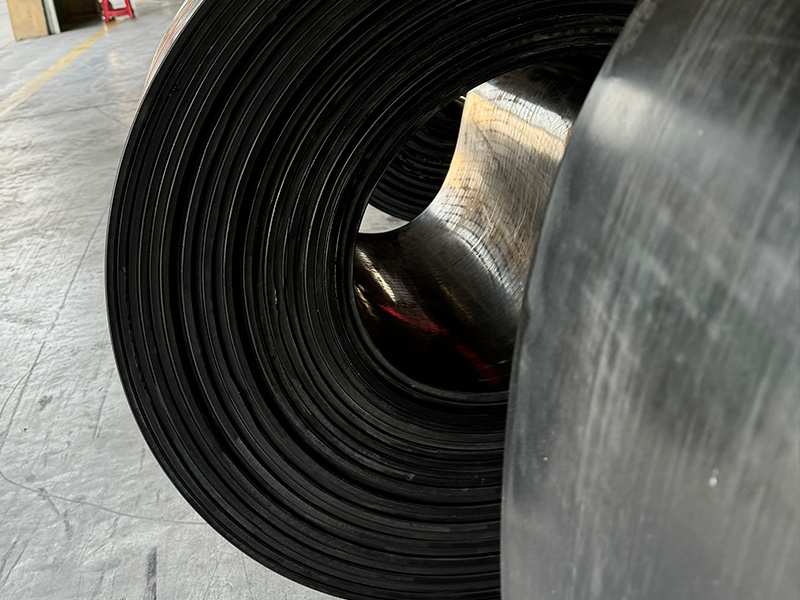
Why do PVC conveyor belts need to be wrapped?
If PVC conveyor belt is to be hemmed, it usually needs 2 cloth and 2 glue or more to be suitable for hemming. First, separate the cloth surface from the glue surface, and then wrap the edge with the glue surface on the surface, so that the hemming is completed. And the use of hot melt process, the edge of the bag and the conveyor belt as a whole.