
The Hidden Benefits of Using Permanent Magnetic Separators in Heavy Machinery
2025-09-30


The Hidden Benefits of Using Permanent Magnetic Separators in Heavy Machinery
Table of Contents
Introduction to Permanent Magnetic Separators
What Are Permanent Magnetic Separators?
How Permanent Magnetic Separators Work
Importance of Magnetic Separators in Heavy Machinery
Enhanced Efficiency and Productivity
Cost Reduction and Long-Term Savings
Safety and Environmenta
The Hidden Benefits of Using Permanent Magnetic Separators in Heavy Machinery
Table of Contents
- Introduction to Permanent Magnetic Separators
- What Are Permanent Magnetic Separators?
- How Permanent Magnetic Separators Work
- Importance of Magnetic Separators in Heavy Machinery
- Enhanced Efficiency and Productivity
- Cost Reduction and Long-Term Savings
- Safety and Environmental Benefits
- Common Applications in Heavy Machinery
- The Future of Permanent Magnetic Separators in Heavy Machinery
- Conclusion
- FAQs
Introduction to Permanent Magnetic Separators
In the ever-evolving landscape of **heavy machinery**, efficiency and reliability are paramount. Among the myriad of technologies developed to enhance operations, **permanent magnetic separators** play a pivotal role. These devices are not only essential for maintaining the integrity of machinery but also offer numerous benefits that often go unnoticed. In this article, we will explore the hidden advantages of using permanent magnetic separators in heavy machinery, delving into how they can transform your operations.
What Are Permanent Magnetic Separators?
Permanent magnetic separators are devices that utilize permanent magnets to remove ferrous contaminants from various materials. Their design allows them to operate continuously without the need for electrical power. These separators are vital in multiple industries, including **construction**, **mining**, and **manufacturing**, where metal contaminants can compromise product quality and machine efficiency.
The Technology Behind Permanent Magnetic Separators
The essence of permanent magnetic separators lies in their powerful magnets, which generate a magnetic field that effectively attracts ferrous materials. Available in various configurations, including **drum**, **plate**, and **belt types**, these separators can be tailored to specific operational needs. Their robust design ensures durability and reliability, making them an invaluable asset in high-demand environments.
How Permanent Magnetic Separators Work
Permanent magnetic separators function by creating a magnetic field that captures ferrous particles as they pass through the machine. The process can be broken down into several steps:
1. **Material Inflow**: The material stream containing ferrous contaminants is directed towards the magnetic separator.
2. **Magnetic Attraction**: As the stream passes through the magnetic field, ferrous particles are attracted and held onto the separator.
3. **Clean Material**: The cleaned material continues through the processing line, free from metal contaminants.
4. **Periodic Cleaning**: Depending on the design, the separator may require periodic cleaning to remove accumulated ferrous material.
This straightforward yet effective operation ensures that the machinery operates smoothly, minimizing downtime and wear.
Importance of Magnetic Separators in Heavy Machinery
The significance of magnetic separators in heavy machinery cannot be overstated. They serve as a first line of defense against metal contamination, which can cause severe damage to equipment and compromise product quality. By removing ferrous particles, these separators:
- Preserve the integrity of machinery components
- Enhance the lifespan of equipment
- Ensure compliance with industry standards
This proactive approach to contamination control is crucial in maintaining operational efficiency and minimizing repair costs.
Enhanced Efficiency and Productivity
One of the most notable benefits of incorporating permanent magnetic separators into heavy machinery is the **enhanced efficiency** they bring to the operational workflow. By effectively eliminating ferrous contaminants, these separators:
- Reduce the risk of equipment failure
- Minimize maintenance requirements
- Increase overall throughput
The result is a smoother and more productive operation where machinery runs efficiently without unexpected interruptions.
The Role of Magnetic Separators in Workflow Optimization
In addition to preventing equipment damage, permanent magnetic separators contribute to workflow optimization. By ensuring that the materials processed are free from contaminants, manufacturers can maintain quality assurance, leading to increased customer satisfaction. A streamlined workflow translates to increased productivity, enabling businesses to meet growing demands and deadlines without compromising quality.
Cost Reduction and Long-Term Savings
Investing in permanent magnetic separators also leads to significant cost reductions in the long run. While the initial investment may seem considerable, the long-term savings outweigh the upfront costs. Here’s how:
1. **Decreased Maintenance Costs**: By protecting machinery from wear and tear, magnetic separators reduce maintenance and repair expenses.
2. **Extended Equipment Lifespan**: The longevity of machinery is enhanced, resulting in fewer replacements and lower capital expenditure.
3. **Reduced Downtime**: With fewer breakdowns, businesses can avoid costly downtime, which often leads to lost revenue.
These factors collectively contribute to a healthier bottom line, demonstrating that magnetic separators are not merely an operational necessity—they are a wise financial investment.
Safety and Environmental Benefits
In addition to operational and financial advantages, permanent magnetic separators contribute to safety and environmental sustainability:
- **Worker Safety**: By removing ferrous contaminants, these separators prevent potential accidents caused by metal shards or fragments. This is especially crucial in high-risk environments where heavy machinery is operated.
- **Environmental Compliance**: Many industries face stringent environmental regulations. Using magnetic separators helps in meeting these requirements by ensuring that the materials processed are free from harmful contaminants, thus promoting environmentally friendly practices.
Common Applications in Heavy Machinery
Permanent magnetic separators find applications across various sectors in heavy machinery. Some common uses include:
- **Mining Operations**: To remove metal contaminants from mined materials, ensuring the purity of the extracted product.
- **Construction**: To safeguard equipment by removing ferrous debris from aggregates, protecting crushers and other machinery.
- **Recycling**: In recycling facilities, these separators are used to recover valuable metals from waste streams, contributing to sustainable resource management.
Each application underscores the versatility and necessity of permanent magnetic separators in enhancing operational efficiency.
The Future of Permanent Magnetic Separators in Heavy Machinery
As technology evolves, the future of permanent magnetic separators looks promising. Innovations such as **smart technology integration** and **enhanced magnetic materials** are on the horizon, promising even greater efficiency and functionality.
- **Smart Monitoring Systems**: These systems can provide real-time data on the performance of magnetic separators, allowing for predictive maintenance and improved operational decision-making.
- **Advanced Materials**: The development of stronger and more efficient magnetic materials will enhance the capabilities of separators, broadening their applications and effectiveness.
These advancements will ensure that permanent magnetic separators remain a cornerstone of heavy machinery operations, driving efficiency and sustainability in the industry.
Conclusion
The benefits of using permanent magnetic separators in heavy machinery extend far beyond mere contamination control. They enhance efficiency, reduce costs, promote safety, and contribute to environmental sustainability. As industries continue to evolve, investing in this technology will not only safeguard operations but also position businesses for future success. By recognizing the hidden advantages of magnetic separators, companies can make informed decisions that will empower their operations and elevate their competitive edge.
FAQs
1. What types of materials can be removed by permanent magnetic separators?
Permanent magnetic separators are specifically designed to remove ferrous materials such as iron and steel from various materials, including aggregates and recycled products.
2. How often should magnetic separators be cleaned?
The cleaning frequency depends on the amount of ferrous material captured. Regular inspections can help determine appropriate cleaning intervals to ensure optimal performance.
3. Can magnetic separators be integrated into existing machinery?
Yes, many magnetic separators are designed for easy integration into existing processing lines, making them a versatile solution for various operations.
4. What are the maintenance requirements for permanent magnetic separators?
Permanent magnetic separators generally require minimal maintenance. Regular inspections and cleaning are sufficient to ensure their effectiveness and longevity.
5. Are there any environmental benefits to using magnetic separators?
Yes, by ensuring that processed materials are free from ferrous contaminants, magnetic separators help companies comply with environmental regulations and promote sustainable practices.
Keywords:
Latest News
Why do PVC conveyor belts need to be wrapped?
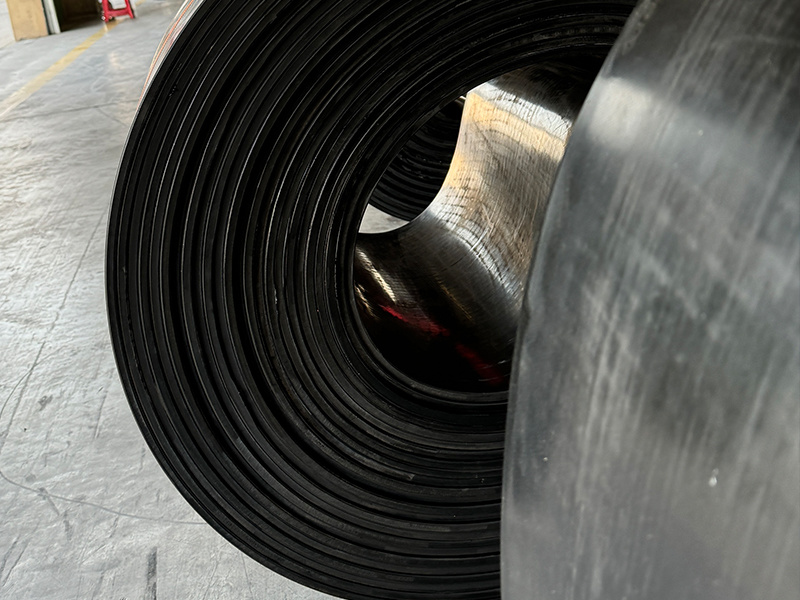
If PVC conveyor belt is to be hemmed, it usually needs 2 cloth and 2 glue or more to be suitable for hemming. First, separate the cloth surface from the glue surface, and then wrap the edge with the glue surface on the surface, so that the hemming is completed. And the use of hot melt process, the edge of the bag and the conveyor belt as a whole.