
Why Nylon Conveyor Belts Are Preferred for High-Performance Machinery
2025-10-06


Why Nylon Conveyor Belts Are Preferred for High-Performance Machinery
Table of Contents
Introduction to Nylon Conveyor Belts
Benefits of Using Nylon Conveyor Belts
Durability and Strength of Nylon Conveyor Belts
Operational Efficiency: How Nylon Conveyor Belts Enhance Performance
Cost-Effectiveness of Nylon Conveyor Belts in Machinery
Applications of Nylon Conveyor Belts
Why Nylon Conveyor Belts Are Preferred for High-Performance Machinery
Table of Contents
- Introduction to Nylon Conveyor Belts
- Benefits of Using Nylon Conveyor Belts
- Durability and Strength of Nylon Conveyor Belts
- Operational Efficiency: How Nylon Conveyor Belts Enhance Performance
- Cost-Effectiveness of Nylon Conveyor Belts in Machinery
- Applications of Nylon Conveyor Belts in Various Industries
- Common Issues with Conveyor Belts and How Nylon Solves Them
- Frequently Asked Questions
- Conclusion: The Future of Nylon Conveyor Belts
Introduction to Nylon Conveyor Belts
Nylon conveyor belts have emerged as a cornerstone in the field of **manufacturing and construction machinery**. Their unique properties make them a preferred choice for **high-performance machinery** due to their exceptional strength, flexibility, and resistance to wear and tear. In an environment where efficiency and reliability are paramount, nylon conveyor belts rise to the challenge, providing solutions that traditional materials simply cannot match.
Benefits of Using Nylon Conveyor Belts
Nylon conveyor belts offer a plethora of benefits that make them the go-to choice in various sectors. Here, we will explore the key advantages of these belts that make them indispensable:
High Tensile Strength
**Nylon** is renowned for its remarkable tensile strength, allowing conveyor belts to support heavy loads without stretching or breaking. This durability is critical in environments where machinery operates under intense pressure.
Resistance to Abrasion and Chemicals
Nylon conveyor belts exhibit excellent resistance to abrasion and a range of chemicals, ensuring longevity even in harsh working conditions. This property is particularly beneficial in industries like mining and construction, where materials can be abrasive and reactive.
Lightweight Yet Robust
The lightweight nature of nylon conveyor belts translates to reduced energy consumption, as machinery requires less power to operate them. Despite their lightness, these belts maintain structural integrity, making them exceptionally robust.
Durability and Strength of Nylon Conveyor Belts
Durability is a critical factor when selecting conveyor belts for high-performance machinery. Nylon conveyor belts stand out due to their inherent properties:
Long-Lasting Performance
Unlike traditional rubber belts, nylon belts are engineered for longevity. They resist wear from the constant friction associated with moving materials, ensuring they last longer in demanding applications.
Impact Resistance
In high-performance environments, the conveyor system often faces shocks from dropping materials. Nylon belts can absorb these impacts without losing functional integrity, making them an ideal choice for industries requiring robust machinery.
Operational Efficiency: How Nylon Conveyor Belts Enhance Performance
The efficiency of machinery directly impacts productivity levels. Here’s how nylon conveyor belts contribute to enhanced operational efficiency:
Reduced Downtime
With their durability, nylon conveyor belts minimize downtime caused by wear and tear. This reliability enables smoother operations and increases overall productivity.
Lower Maintenance Costs
Nylon conveyor belts require less frequent replacements and repairs compared to their counterparts. This reduction in maintenance needs results in lower operational costs and streamlined workflows.
Cost-Effectiveness of Nylon Conveyor Belts in Machinery
Investing in nylon conveyor belts is more than just a decision based on performance; it’s also a financially sound choice:
Initial Investment vs. Long-Term Savings
While the initial cost of nylon conveyor belts may be higher than other materials, the long-term savings in maintenance and replacement make them a cost-effective solution.
Energy Efficiency
The lightweight design of nylon belts reduces energy consumption, leading to savings on power bills. This efficiency enhances the overall cost-effectiveness of machinery operations.
Applications of Nylon Conveyor Belts in Various Industries
Nylon conveyor belts find application across multiple industries, each benefiting from their unique properties:
Manufacturing
In the manufacturing sector, nylon conveyor belts transport materials efficiently across assembly lines, ensuring that production processes remain uninterrupted.
Construction
Construction machinery relies on nylon belts for transporting heavy materials such as stones, sand, and concrete. Their durability ensures reliability in one of the most demanding environments.
Mining
Mining operations utilize nylon conveyor belts to move extracted materials from one point to another, capitalizing on their resistance to abrasion and impact.
Common Issues with Conveyor Belts and How Nylon Solves Them
Despite their advantages, conveyor belts can face challenges. Here’s a look at some common issues and how nylon belts address them:
Wear and Tear
Traditional conveyor belts often succumb to wear and tear, leading to costly replacements. Nylon's durability significantly reduces this concern.
Slippage and Misalignment
Conveyor belts can slip or misalign under heavy loads. The robust design of nylon belts minimizes these issues, ensuring smooth operation.
Frequently Asked Questions
1. What makes nylon conveyor belts better than rubber belts?
Nylon conveyor belts offer superior strength, lighter weight, and better resistance to abrasion and chemicals compared to rubber belts, making them ideal for high-performance machinery.
2. Can nylon conveyor belts handle high-temperature environments?
While nylon belts perform well in various conditions, they may not be suitable for extremely high-temperature environments. It's essential to examine specific requirements and choose heat-resistant materials when necessary.
3. How do I choose the right nylon conveyor belt for my machinery?
Selecting the right nylon conveyor belt involves considering factors such as load capacity, operating environment, and specific machinery requirements to ensure optimal performance.
4. Are nylon conveyor belts environmentally friendly?
Nylon conveyor belts can be recycled, making them a more environmentally friendly choice compared to some other materials. Additionally, their long lifespan reduces waste.
5. What is the lifespan of a nylon conveyor belt?
The lifespan of a nylon conveyor belt can vary based on usage and environment. However, with proper maintenance, they generally last significantly longer than traditional belts.
Conclusion: The Future of Nylon Conveyor Belts
In conclusion, nylon conveyor belts have firmly established themselves as the preferred choice for high-performance machinery across various industries. Their unmatched durability, operational efficiency, and cost-effectiveness make them indispensable in modern manufacturing and construction. As technology continues to advance, the versatility and capabilities of nylon conveyor belts will likely expand, reinforcing their position as a fundamental component in the machinery of the future. By investing in these superior belts, businesses can enhance productivity, reduce costs, and ensure sustainability in their operations.
Keywords:
Latest News
Why do PVC conveyor belts need to be wrapped?
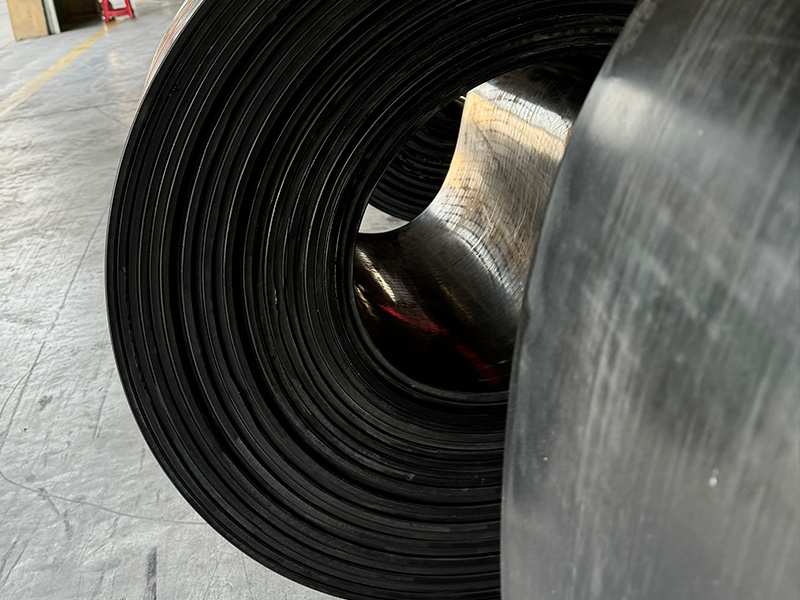
If PVC conveyor belt is to be hemmed, it usually needs 2 cloth and 2 glue or more to be suitable for hemming. First, separate the cloth surface from the glue surface, and then wrap the edge with the glue surface on the surface, so that the hemming is completed. And the use of hot melt process, the edge of the bag and the conveyor belt as a whole.