
The Advantages of Nylon Conveyor Belts in Engineering and Construction Machinery
2025-10-09


Nylon conveyor belts are an essential component in various industrial applications, especially within the engineering and construction machinery sectors. These belts are made from a synthetic polymer known as nylon, which is renowned for its remarkable strength, flexibility, and resistance to wear. The unique characteristics of nylon make these conveyor belts particularly suitable for heavy-duty t
Nylon conveyor belts are an essential component in various industrial applications, especially within the engineering and construction machinery sectors. These belts are made from a synthetic polymer known as nylon, which is renowned for its remarkable strength, flexibility, and resistance to wear. The unique characteristics of nylon make these conveyor belts particularly suitable for heavy-duty tasks, such as transporting bulk materials in earthmoving and transportation machinery.
One of the primary advantages of nylon conveyor belts is their high tensile strength. This property allows them to handle substantial loads without significant deformation or failure. In industries where heavy materials need to be moved efficiently, the durability of nylon conveyor belts ensures that operations run smoothly without interruptions. This strength also contributes to a longer lifespan for the belts, reducing the frequency and costs associated with replacements.
Additionally, nylon conveyor belts exhibit excellent flexibility and elasticity, enabling them to adapt to various operational conditions. This flexibility is particularly beneficial in applications where the conveyor system needs to navigate around pulleys or adjust to different angles. The ability of nylon belts to maintain integrity under varying tensions and conditions minimizes the risk of belt slippage or breakage, ensuring consistent performance.
Another significant benefit of using nylon conveyor belts is their resistance to abrasion and impact. In construction and earthmoving applications, materials can be rugged and abrasive. The nylon composition of these belts helps them withstand the wear and tear from such interactions, thereby maintaining operational efficiency. This property is complemented by their relatively lightweight nature, which reduces the energy consumption required to operate the conveyor system.
Moreover, nylon conveyor belts are often resistant to chemicals, oils, and greases, making them suitable for environments that may expose them to various substances. This chemical resistance helps extend the life of the belts and ensures they perform well in challenging conditions.
In conclusion, the integration of nylon conveyor belts in engineering and construction machinery provides numerous benefits, including high tensile strength, flexibility, abrasion resistance, and chemical resilience. For professionals in the manufacturing and processing machinery sector, understanding the advantages of these belts can lead to better decision-making when selecting components for earthmoving and transportation applications. By choosing nylon conveyor belts, businesses can enhance their operational efficiency, reduce maintenance costs, and ultimately drive productivity in their projects.
Keywords:
Latest News
Why do PVC conveyor belts need to be wrapped?
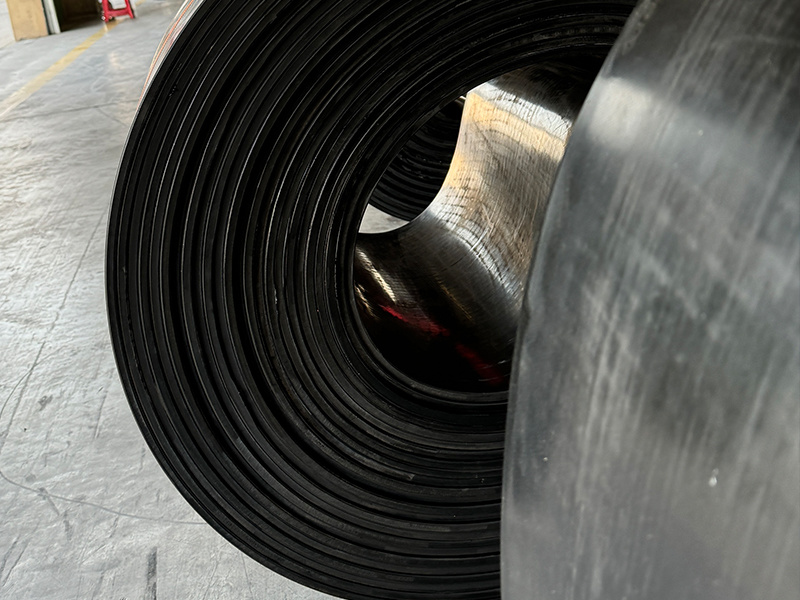
If PVC conveyor belt is to be hemmed, it usually needs 2 cloth and 2 glue or more to be suitable for hemming. First, separate the cloth surface from the glue surface, and then wrap the edge with the glue surface on the surface, so that the hemming is completed. And the use of hot melt process, the edge of the bag and the conveyor belt as a whole.