The Impact of Nylon Conveyor Belts on Operational Efficiency in Manufacturing and Construction
2025-10-12


The Impact of Nylon Conveyor Belts on Operational Efficiency in Manufacturing and Construction
Table of Contents
1. Introduction to Nylon Conveyor Belts
2. Importance of Conveyor Belts in Manufacturing and Construction
3. Benefits of Nylon Conveyor Belts
3.1 Durability and Longevity
3.2 Flexibility and Adaptability
3.3 Cost-Effectiveness
The Impact of Nylon Conveyor Belts on Operational Efficiency in Manufacturing and Construction
Table of Contents
- 1. Introduction to Nylon Conveyor Belts
- 2. Importance of Conveyor Belts in Manufacturing and Construction
- 3. Benefits of Nylon Conveyor Belts
- 4. Applications of Nylon Conveyor Belts
- 5. Enhancing Operational Efficiency
- 6. Future Trends in Conveyor Belt Technology
- 7. Frequently Asked Questions
- 8. Conclusion
1. Introduction to Nylon Conveyor Belts
Nylon conveyor belts have become a cornerstone in the manufacturing and construction industries. Their unique properties make them ideal for a wide range of applications, promoting enhanced operational efficiency. In this article, we will explore the various aspects of nylon conveyor belts, highlighting their benefits and the pivotal role they play in driving productivity.
2. Importance of Conveyor Belts in Manufacturing and Construction
Conveyor belts serve as vital components in the manufacturing and construction sectors. Their primary function is to facilitate the transport of materials from one point to another, streamlining processes and saving time. Without conveyor belts, material handling would be cumbersome and inefficient, leading to increased operational costs and reduced productivity.
In environments where speed and efficiency are paramount, conveyor belts like nylon variants provide the reliability and performance needed. By optimizing material flow, these belts help organizations maintain competitive edges in an ever-evolving market.
3. Benefits of Nylon Conveyor Belts
Nylon conveyor belts are favored for their remarkable properties. Understanding these benefits can guide industries in making informed choices regarding their equipment.
3.1 Durability and Longevity
One of the standout features of nylon conveyor belts is their **durability**. Made from synthetic materials, these belts are resistant to abrasion, cuts, and tears. This resilience translates into longer service life, reducing the frequency of replacements. Over time, businesses save significant costs associated with purchasing new belts and the labor required for installation.
3.2 Flexibility and Adaptability
Nylon conveyor belts exhibit remarkable **flexibility**, enabling them to navigate complex layouts and inclines. Their adaptability allows them to conform to different shapes and structures, making them suitable for various applications, from transporting heavy materials in construction to handling delicate items in manufacturing.
3.3 Cost-Effectiveness
Investing in nylon conveyor belts can lead to substantial **cost savings** in the long run. Their durability ensures lower maintenance costs, while their efficiency contributes to reduced operational expenditures. Additionally, the ability to minimize downtime translates into a more profitable operation.
4. Applications of Nylon Conveyor Belts
Nylon conveyor belts are utilized in a diverse array of applications across multiple sectors. Understanding these applications can help businesses choose the right type of belt for their specific needs.
- **Manufacturing:** In manufacturing settings, nylon conveyor belts are commonly used for assembling products, moving raw materials, and packaging. Their versatility allows them to handle a wide range of materials, from lightweight components to heavier goods.
- **Construction:** In the construction industry, these conveyor belts facilitate the movement of heavy materials, such as aggregates and soil. The belts' robustness ensures they can withstand the harsh conditions often found on construction sites.
- **Food Processing:** In food processing, nylon conveyor belts are favored for their hygiene standards. They can be manufactured to meet strict health regulations, making them suitable for transporting food items safely.
5. Enhancing Operational Efficiency
The use of nylon conveyor belts can substantially enhance operational efficiency in numerous ways.
5.1 Reduced Downtime
Nylon conveyor belts are designed for **minimal downtime**. Their durability reduces the likelihood of failures and breakdowns, allowing production processes to continue smoothly. In industries where time is money, this reliability can significantly impact overall efficiency.
5.2 Increased Productivity
By improving material handling speed, nylon conveyor belts contribute to **increased productivity**. Faster transport of materials translates into quicker production cycles, allowing businesses to meet growing demands without compromising on quality.
5.3 Enhanced Safety Measures
Safety is paramount in any operational setting. Nylon conveyor belts contribute to a safer workplace by minimizing the risk of accidents associated with manual material handling. The smooth operation of these belts ensures that materials are transported without causing disruptions, leading to a safer environment for workers.
6. Future Trends in Conveyor Belt Technology
As industries evolve, so does conveyor belt technology. Innovations are emerging that promise to enhance the effectiveness of nylon conveyor belts further.
- **Smart Conveyor Systems:** Integration of smart technology will allow for real-time monitoring and predictive maintenance, helping to identify potential issues before they become problems.
- **Sustainability:** With growing environmental concerns, manufacturers are exploring eco-friendly materials for conveyor belts. This shift may lead to more sustainable nylon options combined with performance-enhancing features.
- **Automation:** The rise of automation in manufacturing and construction will likely lead to increased reliance on conveyor systems. The development of automated conveyor belts equipped with AI capabilities could significantly transform how materials are handled.
7. Frequently Asked Questions
1. What are nylon conveyor belts made of?
Nylon conveyor belts are typically made from a blend of nylon fabric and rubber, providing durability and flexibility.
2. How long do nylon conveyor belts last?
With proper maintenance, nylon conveyor belts can last several years, minimizing the need for frequent replacements.
3. Are nylon conveyor belts suitable for heavy loads?
Yes, nylon conveyor belts are designed to handle heavy loads, making them ideal for construction and manufacturing applications.
4. Can nylon conveyor belts be used in food processing?
Absolutely! Nylon conveyor belts can be produced to meet food safety standards, making them suitable for food processing applications.
5. How do I maintain my nylon conveyor belt?
Regular cleaning, monitoring for wear and tear, and adhering to manufacturer guidelines will help maintain your nylon conveyor belt's performance.
8. Conclusion
Nylon conveyor belts have a profound impact on operational efficiency within the manufacturing and construction sectors. Their durability, flexibility, and cost-effectiveness make them an invaluable asset for businesses aiming to streamline operations and enhance productivity. As technology continues to evolve, the future of nylon conveyor belts looks promising, with innovations that will further bolster their effectiveness. Investing in quality nylon conveyor belts is not just a smart choice; it is a step towards ensuring your organization's success in a competitive landscape.
Keywords:
Latest News
Why do PVC conveyor belts need to be wrapped?
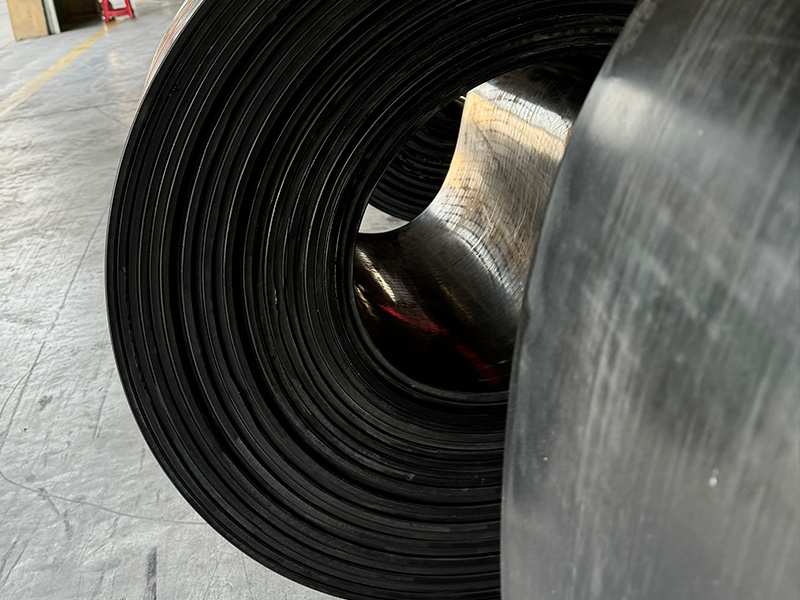
If PVC conveyor belt is to be hemmed, it usually needs 2 cloth and 2 glue or more to be suitable for hemming. First, separate the cloth surface from the glue surface, and then wrap the edge with the glue surface on the surface, so that the hemming is completed. And the use of hot melt process, the edge of the bag and the conveyor belt as a whole.