Understanding Polyester Conveyor Belts: Key Insights for Engineering and Construction Machinery
2025-10-21


Polyester conveyor belts are integral components in various manufacturing processes, particularly in the engineering and construction machinery sectors. Known for their durability and versatility, these belts are commonly utilized in applications involving the transportation of bulk materials, such as soil, gravel, and other aggregates.
One of the standout properties of polyester conveyor belts i
Polyester conveyor belts are integral components in various manufacturing processes, particularly in the engineering and construction machinery sectors. Known for their durability and versatility, these belts are commonly utilized in applications involving the transportation of bulk materials, such as soil, gravel, and other aggregates.
One of the standout properties of polyester conveyor belts is their exceptional tensile strength, which allows them to withstand significant loads without stretching or deforming. This characteristic makes them particularly effective in heavy-duty applications, where reliability is crucial. In addition, polyester has a lower moisture absorption rate compared to other materials, which enhances the belt’s longevity and performance in various environmental conditions.
Another advantage of polyester conveyor belts is their lightweight nature. This attribute facilitates easy handling and installation, reducing the labor costs associated with setup and maintenance. Furthermore, their flexibility allows them to be used in various configurations, accommodating different machinery setups without compromising performance.
From a manufacturing perspective, polyester conveyor belts are also recognized for their resistance to wear and tear. This property is particularly beneficial in applications that involve abrasive materials, as it reduces the frequency of replacements and downtime. The belts can also be treated with special coatings to enhance their resistance to chemicals, oils, and other substances, making them suitable for a wide range of industrial environments.
In terms of maintenance, polyester conveyor belts require regular inspections to ensure optimal performance. Keeping the belts clean and free from debris can significantly extend their life span and efficiency. Additionally, aligning the belt properly and adjusting tension when necessary are critical practices that can prevent premature wear.
The environmental impact of polyester conveyor belts is also an important consideration. Many manufacturers are now focusing on sustainable practices, including the use of recycled materials in the production of these belts. This shift not only addresses environmental concerns but also promotes a circular economy within the industry.
In conclusion, polyester conveyor belts are a vital component in the manufacturing and construction machinery sectors, offering numerous advantages such as durability, flexibility, and resistance to wear. Understanding these belts' properties and maintenance requirements can significantly enhance efficiency in material handling processes. By investing in high-quality polyester conveyor belts, businesses can ensure continuous operation and reliability in their operations.
Keywords:
Latest News
Why do PVC conveyor belts need to be wrapped?
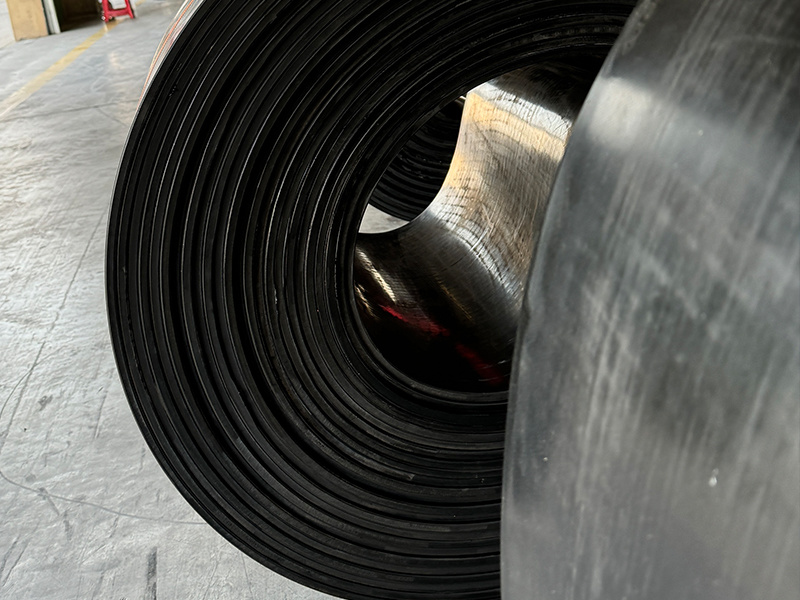
If PVC conveyor belt is to be hemmed, it usually needs 2 cloth and 2 glue or more to be suitable for hemming. First, separate the cloth surface from the glue surface, and then wrap the edge with the glue surface on the surface, so that the hemming is completed. And the use of hot melt process, the edge of the bag and the conveyor belt as a whole.