
Why Choose Polyester Conveyor Belts for Your Construction Equipment?
2025-10-24


Why Choose Polyester Conveyor Belts for Your Construction Equipment?
Polyester conveyor belts have gained considerable traction in the construction industry, thanks to their numerous advantages over other materials. This article will explore the essential reasons why these belts are an excellent choice for construction equipment, focusing on their durability, efficiency, and cost-effectiveness.
Un
Why Choose Polyester Conveyor Belts for Your Construction Equipment?
Polyester conveyor belts have gained considerable traction in the construction industry, thanks to their numerous advantages over other materials. This article will explore the essential reasons why these belts are an excellent choice for construction equipment, focusing on their durability, efficiency, and cost-effectiveness.
Understanding Polyester Conveyor Belts
Polyester conveyor belts are made from a blend of polyester fibers, providing a unique combination of strength, flexibility, and resistance to wear. These belts are designed to handle different loads and materials, making them versatile for various applications within the construction sector.
Key Characteristics of Polyester Conveyor Belts
Polyester conveyor belts are known for their distinct characteristics, which include:
- **High tensile strength**: This property allows the belts to withstand heavy loads without stretching or breaking.
- **Low elongation**: Polyester belts maintain their original length under load, ensuring consistent performance.
- **Resistance to moisture**: Polyester is less susceptible to water damage, making it suitable for construction environments where exposure to water is common.
- **Lightweight design**: The lightweight nature of polyester belts makes them easier to handle and install.
Benefits of Polyester Conveyor Belts in Construction
Choosing polyester conveyor belts for your construction equipment can provide numerous benefits, enhancing operational efficiency and reducing downtime.
1. Exceptional Durability and Longevity
Polyester conveyor belts are engineered to endure the rigors of construction tasks, such as transporting heavy materials over long distances. Their resistance to abrasion and tearing ensures a longer lifespan, reducing the need for frequent replacements.
2. Cost-Effectiveness
Incorporating polyester conveyor belts can lead to significant cost savings for construction projects. While the initial investment may be comparable to other materials, the long-term durability and reduced maintenance requirements translate to lower operational costs.
3. Enhanced Performance in Various Conditions
Construction sites often present challenging conditions, including exposure to extreme temperatures, humidity, and heavy loads. Polyester conveyor belts perform exceptionally well in these environments, ensuring reliability and efficiency.
4. Versatility Across Applications
From transporting sand and gravel to moving finished products, polyester conveyor belts are adaptable to a range of construction tasks. Their ability to handle various materials makes them a preferred choice for many contractors.
5. Reduced Environmental Impact
Utilizing polyester conveyor belts can contribute to a more sustainable construction process. Their durability decreases the frequency of replacements, leading to less waste. Furthermore, polyester is recyclable, aligning with environmentally-friendly practices.
Installation and Maintenance of Polyester Conveyor Belts
To maximize the benefits of polyester conveyor belts, proper installation and ongoing maintenance are crucial.
Installation Tips
1. **Ensure proper alignment**: Misalignment can lead to premature wear, so it's essential to align the conveyor system accurately.
2. **Adjust tension**: The correct tension will prevent slippage and maintain optimal performance.
3. **Follow manufacturer guidelines**: Adhering to the installation instructions provided by the manufacturer will ensure the belt functions effectively.
Maintenance Best Practices
1. **Regular inspections**: Conduct routine checks for signs of wear or damage to address issues before they escalate.
2. **Clean the belts**: Keeping the belts clean helps prevent material buildup, which can lead to performance problems.
3. **Monitor tension and alignment**: Regularly check the tension and alignment to maintain efficiency.
FAQs About Polyester Conveyor Belts
1. What are the main advantages of polyester conveyor belts?
Polyester conveyor belts offer exceptional durability, resistance to moisture, cost-effectiveness, and versatility, making them suitable for various construction applications.
2. How do polyester conveyor belts compare to other materials?
Compared to other materials, polyester belts exhibit higher tensile strength, lower elongation, and greater resistance to wear, making them a preferred choice in the construction industry.
3. Are polyester conveyor belts suitable for wet environments?
Yes, polyester conveyor belts are resistant to moisture, making them suitable for construction sites where water exposure is common.
4. How do I maintain polyester conveyor belts?
Regular inspections, cleaning, and monitoring of tension and alignment are essential for maintaining polyester conveyor belts effectively.
5. Can polyester conveyor belts be recycled?
Yes, polyester is a recyclable material, contributing to more sustainable construction practices.
Conclusion
Polyester conveyor belts are an excellent investment for anyone in the construction industry. Their unique combination of durability, cost-effectiveness, and performance in various conditions makes them a superior choice for construction equipment. By understanding the benefits and adhering to proper installation and maintenance practices, you can enhance the efficiency of your operations while reducing environmental impact. Choosing polyester conveyor belts could be one of the best decisions you make for your construction projects, leading to improved productivity and sustainability.
Keywords:
Latest News
Why do PVC conveyor belts need to be wrapped?
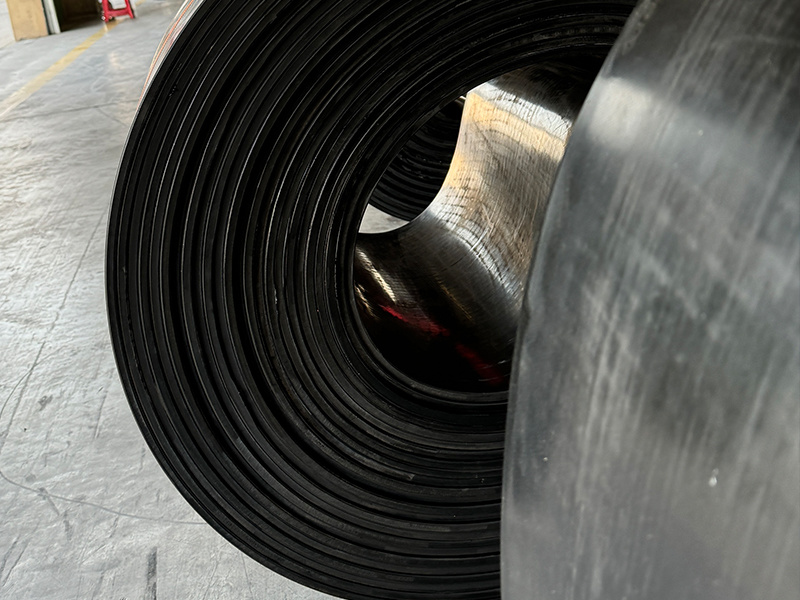
If PVC conveyor belt is to be hemmed, it usually needs 2 cloth and 2 glue or more to be suitable for hemming. First, separate the cloth surface from the glue surface, and then wrap the edge with the glue surface on the surface, so that the hemming is completed. And the use of hot melt process, the edge of the bag and the conveyor belt as a whole.