Enhancing Performance with Friction Self-Aligning Rollers in Earthmoving Machinery
2025-11-08


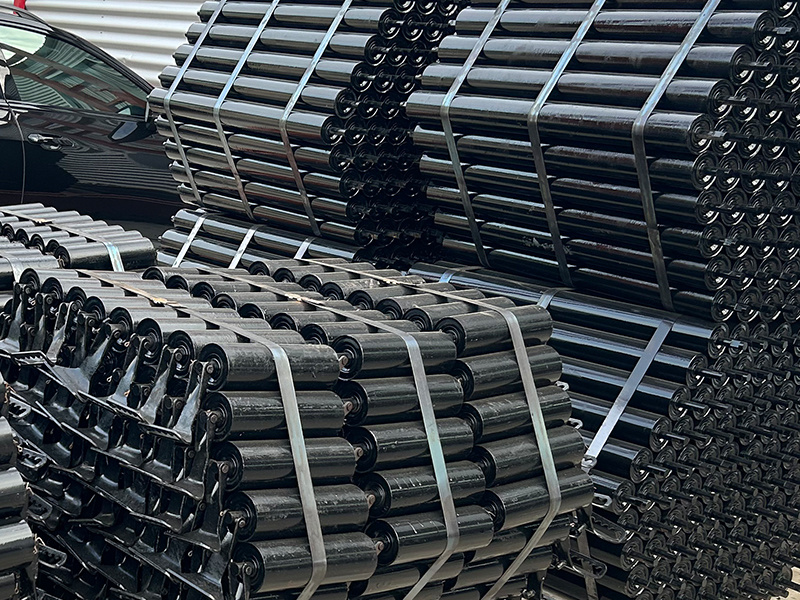
In the manufacturing and engineering industry, particularly within the realm of earthmoving machinery, friction self-aligning rollers play a crucial role in optimizing equipment performance. These rollers are designed to accommodate misalignment and irregularities in the machinery's framework, ensuring smooth operation and reducing wear and tear on both the rollers and the machinery itself.
Fricti
In the manufacturing and engineering industry, particularly within the realm of earthmoving machinery, friction self-aligning rollers play a crucial role in optimizing equipment performance. These rollers are designed to accommodate misalignment and irregularities in the machinery's framework, ensuring smooth operation and reducing wear and tear on both the rollers and the machinery itself.
Friction self-aligning rollers are primarily utilized in applications where heavy loads and dynamic conditions are prevalent. They are engineered to provide stability and support, which is vital for the smooth operation of various types of equipment, such as bulldozers, excavators, and loaders. One of the key advantages of these rollers is their ability to self-align under varying load conditions, allowing for greater flexibility and efficiency in operation.
The design of friction self-aligning rollers incorporates features that minimize friction while maximizing load-bearing capacity. This is achieved through the use of high-quality materials that provide durability and resistance to wear. When selecting rollers for your machinery, consider factors such as load capacity, environmental conditions, and the specific requirements of the application. The right choice can significantly enhance the lifespan of your equipment and reduce maintenance costs.
Furthermore, friction self-aligning rollers contribute to improved safety in earthmoving operations. By reducing the potential for equipment failure due to misalignment, these rollers help prevent accidents and ensure that machinery operates within safe parameters. This reliability is especially important in construction and excavation projects where delays can be costly.
In addition to their mechanical advantages, friction self-aligning rollers can also improve fuel efficiency. By reducing rolling resistance and wear, these components can help machinery operate more efficiently, leading to lower fuel consumption and reduced operational costs. This is particularly beneficial for businesses focused on sustainability and cost-effectiveness in their operations.
In conclusion, integrating friction self-aligning rollers into your earthmoving machinery is a strategic move that can lead to enhanced performance, reduced maintenance, and increased safety. As the demands of the manufacturing and engineering sectors continue to evolve, adopting advanced components like these rollers will be essential for staying competitive and efficient in the market. Consider working with experienced suppliers who can provide guidance on the best roller solutions tailored to your specific machinery and operational needs.
Keywords:
Latest News
Why do PVC conveyor belts need to be wrapped?
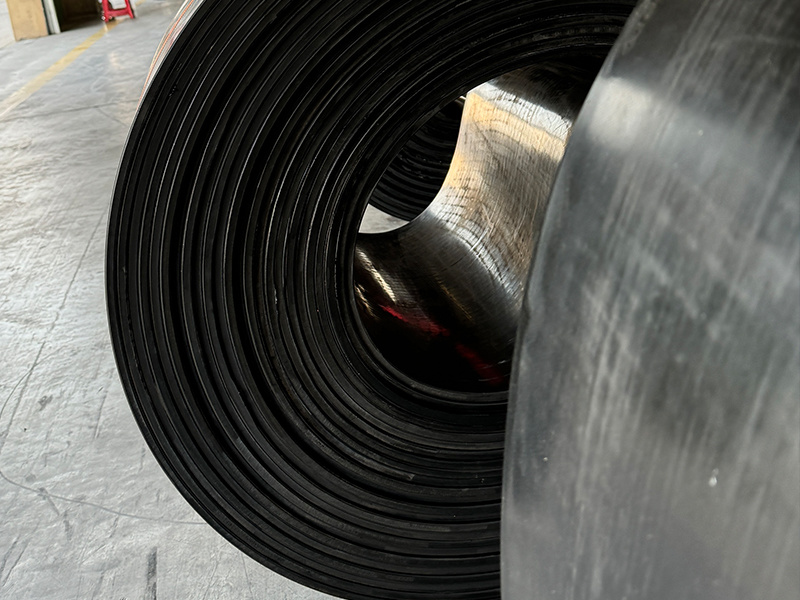
If PVC conveyor belt is to be hemmed, it usually needs 2 cloth and 2 glue or more to be suitable for hemming. First, separate the cloth surface from the glue surface, and then wrap the edge with the glue surface on the surface, so that the hemming is completed. And the use of hot melt process, the edge of the bag and the conveyor belt as a whole.