Boost Your Machinery's Efficiency with Friction Self-Aligning Rollers
2025-11-11


Boost Your Machinery's Efficiency with Friction Self-Aligning Rollers
Table of Contents
1. Introduction to Friction Self-Aligning Rollers
2. Understanding the Mechanics: How Do Friction Self-Aligning Rollers Work?
3. Key Advantages of Friction Self-Aligning Rollers
3.1 Enhanced Load Distribution
3.2 Reduced Wear and Tear
3.3 Improved Alignment and Stability
3.4 Cost-Efficiency and
Boost Your Machinery's Efficiency with Friction Self-Aligning Rollers
Table of Contents
1. Introduction to Friction Self-Aligning Rollers
2. Understanding the Mechanics: How Do Friction Self-Aligning Rollers Work?
3. Key Advantages of Friction Self-Aligning Rollers
3.1 Enhanced Load Distribution
3.2 Reduced Wear and Tear
3.3 Improved Alignment and Stability
3.4 Cost-Efficiency and Maintenance
4. Applications of Friction Self-Aligning Rollers in Machinery
4.1 Construction Machinery
4.2 Agricultural Equipment
4.3 Manufacturing and Processing Machines
5. Choosing the Right Friction Self-Aligning Roller for Your Needs
6. Installation and Maintenance Tips
7. Case Studies: Success Stories Utilizing Friction Self-Aligning Rollers
8. Frequently Asked Questions (FAQs)
9. Conclusion
1. Introduction to Friction Self-Aligning Rollers
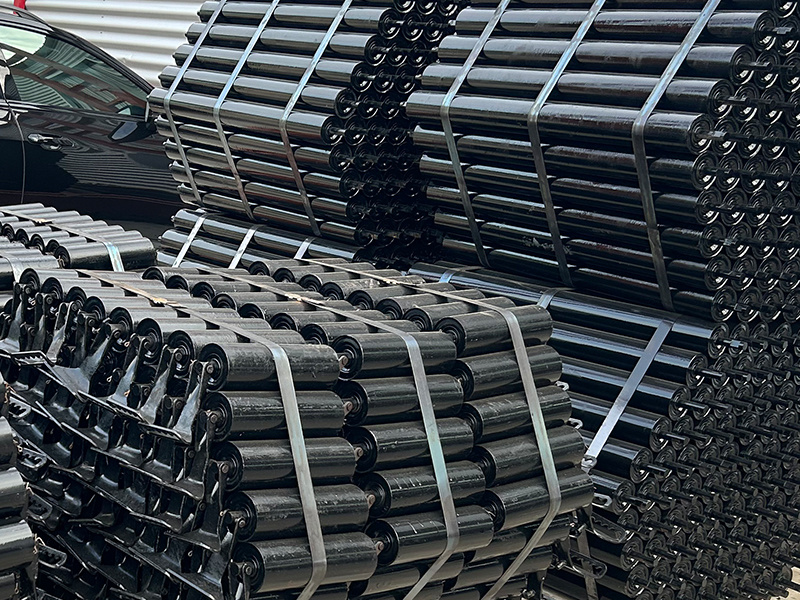
In the ever-evolving landscape of manufacturing and construction machinery, achieving peak efficiency is paramount. **Friction self-aligning rollers** play a critical role in ensuring that machinery performs optimally. These specialized components are designed to reduce friction and enhance alignment in various applications, leading to improved operational performance.
2. Understanding the Mechanics: How Do Friction Self-Aligning Rollers Work?
Friction self-aligning rollers operate on a simplified principle: they allow for smooth rotation while accommodating misalignments. The rollers feature a unique design that enables them to adjust to varying angles, thus preventing undue stress on machinery components. This self-aligning capability ensures that the load is evenly distributed, minimizing the chance of failure due to misalignment.
3. Key Advantages of Friction Self-Aligning Rollers
Integrating friction self-aligning rollers into your machinery offers several advantages that can significantly boost efficiency.
3.1 Enhanced Load Distribution
One of the primary benefits of friction self-aligning rollers is their ability to distribute loads evenly across the machinery. This feature reduces the chances of overloading specific areas, prolonging the lifespan of the equipment and minimizing maintenance needs.
3.2 Reduced Wear and Tear
By allowing for smooth movement and self-alignment, these rollers significantly reduce friction between moving parts. This reduction in friction leads to less wear and tear on machinery components, resulting in lower replacement and repair costs over time.
3.3 Improved Alignment and Stability
Friction self-aligning rollers enhance the stability of machinery. They automatically adjust to align with the path of movement, ensuring consistent performance even in challenging conditions. This capability is particularly beneficial in construction environments where terrain can vary greatly.
3.4 Cost-Efficiency and Maintenance
The long-term cost savings associated with reduced wear and tear and improved efficiency are significant. With friction self-aligning rollers, machinery requires less frequent maintenance, allowing for more operational time and decreased downtime.
4. Applications of Friction Self-Aligning Rollers in Machinery
Friction self-aligning rollers find applications across various sectors, including construction, agriculture, and manufacturing.
4.1 Construction Machinery
In construction, machinery such as bulldozers and excavators benefit from the enhanced stability and load distribution provided by friction self-aligning rollers. These components help maintain proper alignment during operation, which is crucial for safety and performance.
4.2 Agricultural Equipment
Agricultural machinery, including tractors and harvesters, also use friction self-aligning rollers. The rollers ensure that equipment can navigate uneven terrain without compromising performance, improving efficiency in harvesting and planting.
4.3 Manufacturing and Processing Machines
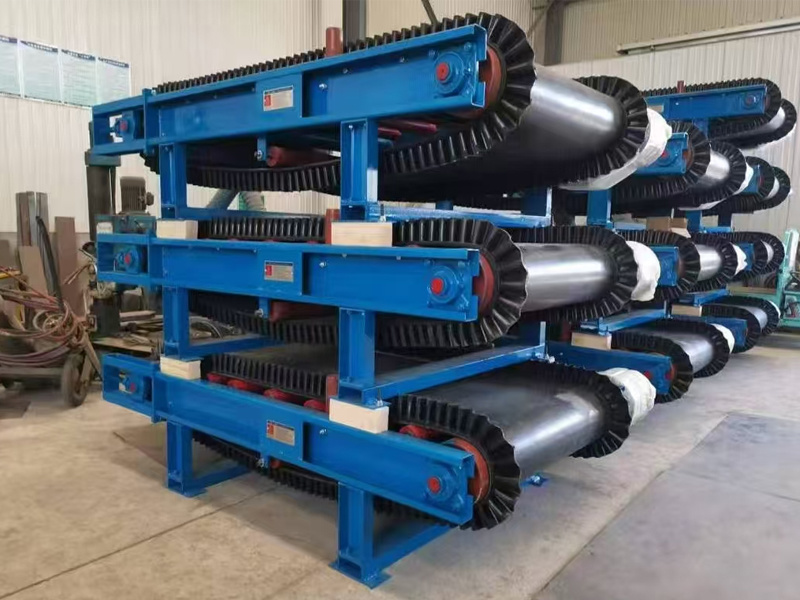
In manufacturing, these rollers are essential in conveyor systems and industrial machines. They facilitate smooth movement and alignment, preventing jams and ensuring consistent production rates.
5. Choosing the Right Friction Self-Aligning Roller for Your Needs
Selecting the appropriate friction self-aligning roller involves considering various factors, including load capacity, material, and environmental conditions. Understanding the specific needs of your machinery will help in choosing the best roller to enhance performance.
6. Installation and Maintenance Tips
Installing friction self-aligning rollers requires attention to detail. It’s crucial to ensure that the rollers are aligned properly during installation. Regular maintenance checks should include inspecting for wear, ensuring proper lubrication, and confirming that the rollers are functioning as intended.
7. Case Studies: Success Stories Utilizing Friction Self-Aligning Rollers
Numerous companies have experienced substantial benefits from incorporating friction self-aligning rollers into their machinery. For instance, a leading construction firm reported a 30% reduction in equipment downtime after replacing traditional rollers with friction self-aligning options. Similarly, an agricultural equipment manufacturer noted improved yield efficiency due to better performance in their tractors.
8. Frequently Asked Questions (FAQs)
What are friction self-aligning rollers made of?
Friction self-aligning rollers are typically made from durable materials such as polyurethane, rubber, or specialized alloys that can withstand significant stress and environmental conditions.
How do I know if my machinery requires friction self-aligning rollers?
If you experience frequent misalignments or excessive wear on traditional rollers, it may be beneficial to consider friction self-aligning rollers.
Can friction self-aligning rollers be used in extreme conditions?
Yes, many friction self-aligning rollers are designed to operate effectively in extreme conditions, including high temperatures and harsh environmental settings.
What is the lifespan of friction self-aligning rollers?
The lifespan can vary based on usage and conditions, but friction self-aligning rollers generally have a longer lifespan compared to traditional rollers due to reduced wear and tear.
Are friction self-aligning rollers cost-effective?
Yes, the initial investment in friction self-aligning rollers can lead to significant savings in maintenance and downtime, making them a cost-effective choice in the long run.
9. Conclusion
Incorporating **friction self-aligning rollers** into your machinery can significantly enhance efficiency, reduce maintenance costs, and improve overall performance. With their ability to adapt to misalignments, distribute loads evenly, and minimize wear, these rollers are an excellent investment for any operation, be it in construction, agriculture, or manufacturing. By understanding their benefits and applications, you can make informed decisions that will elevate your machinery's operational capabilities. Embrace the future of machinery efficiency with friction self-aligning rollers and witness the transformation in your operations.
Keywords:
Latest News
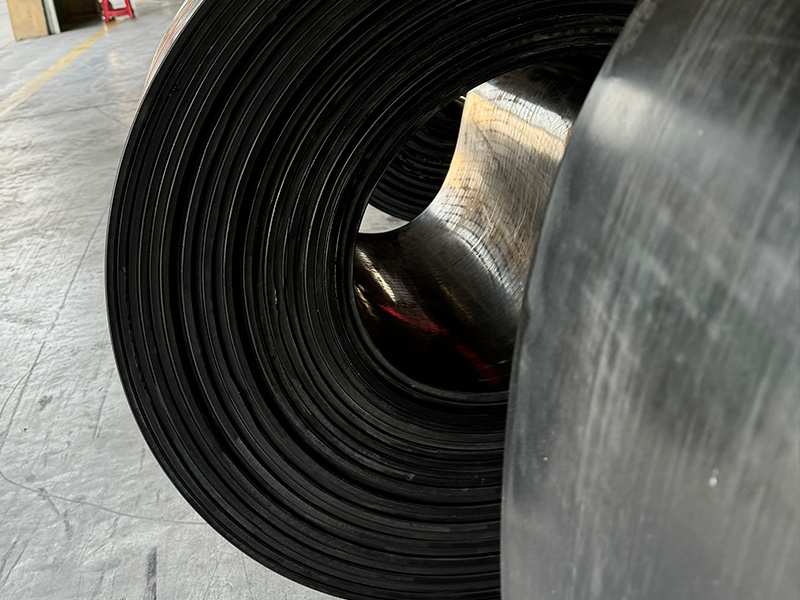
Why do PVC conveyor belts need to be wrapped?
If PVC conveyor belt is to be hemmed, it usually needs 2 cloth and 2 glue or more to be suitable for hemming. First, separate the cloth surface from the glue surface, and then wrap the edge with the glue surface on the surface, so that the hemming is completed. And the use of hot melt process, the edge of the bag and the conveyor belt as a whole.