Understanding Friction Self-Aligning Rollers: Essential Components for Heavy Machinery
2025-11-14


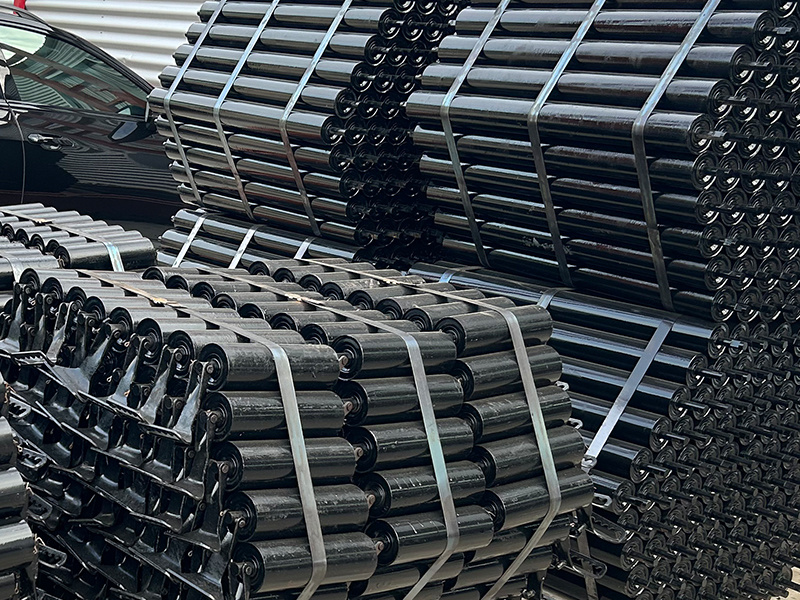
Friction self-aligning rollers are critical components in various types of manufacturing and construction machinery, particularly in earth-moving equipment. These rollers are designed to facilitate smoother motion and reduce wear on machinery by allowing for a certain degree of misalignment. This ability to self-align is especially important in heavy-duty applications where equipment is subjected
Friction self-aligning rollers are critical components in various types of manufacturing and construction machinery, particularly in earth-moving equipment. These rollers are designed to facilitate smoother motion and reduce wear on machinery by allowing for a certain degree of misalignment. This ability to self-align is especially important in heavy-duty applications where equipment is subjected to substantial forces and varying operating conditions.
One of the primary functionalities of friction self-aligning rollers is to accommodate any misalignment that may occur due to operational stresses. In heavy machinery, such as bulldozers and excavators, the alignment of the rollers can often be compromised due to uneven terrain or load distributions. The self-aligning feature allows these rollers to adjust their position automatically, minimizing friction and preventing damage to other mechanical components. This not only extends the lifespan of the machinery but also enhances performance by ensuring smooth operation.
The frictional properties of these rollers play a crucial role in their performance. The materials used in the construction of friction self-aligning rollers can significantly affect their effectiveness. High-quality materials are essential for ensuring that the rollers can withstand high loads and harsh environmental conditions. Additionally, the specific design and surface textures can be tailored to optimize friction levels, which is essential for maintaining grip and reducing slippage in various applications.
Another notable benefit of using friction self-aligning rollers is the reduction of energy consumption. By minimizing frictional losses, these rollers help to improve the overall efficiency of machinery operations. This is particularly important in industries where operational costs are closely monitored and the need for energy efficiency is paramount. Implementing friction self-aligning rollers can be a valuable strategy for companies looking to enhance their machinery’s performance without incurring substantial additional costs.
In conclusion, friction self-aligning rollers are indispensable for ensuring operational efficiency and durability in manufacturing and construction machinery, particularly in earth-moving applications. Their ability to self-adjust and maintain proper alignment under challenging conditions makes them an essential component for any heavy-duty machinery. By understanding their functionality and benefits, operators and manufacturers can make informed decisions regarding machinery design and maintenance, ultimately enhancing productivity and reducing costs in the long run.
Keywords:
Latest News
Why do PVC conveyor belts need to be wrapped?
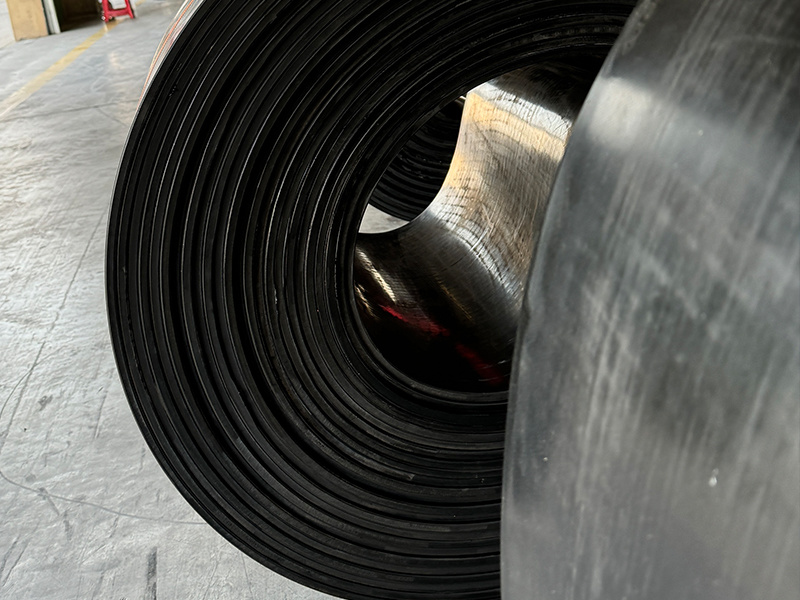
If PVC conveyor belt is to be hemmed, it usually needs 2 cloth and 2 glue or more to be suitable for hemming. First, separate the cloth surface from the glue surface, and then wrap the edge with the glue surface on the surface, so that the hemming is completed. And the use of hot melt process, the edge of the bag and the conveyor belt as a whole.