
Why Friction Self-Aligning Rollers are Essential in Earth Moving Equipment
2025-11-17


Understanding the Role of Friction Self-Aligning Rollers in Earth Moving Equipment
In the realm of engineering and construction machinery, efficiency and reliability are paramount. As projects demand high performance and precision, earth-moving equipment must be equipped with components that enhance functionality and durability. Among these components, **friction self-aligning rollers** play an in
Understanding the Role of Friction Self-Aligning Rollers in Earth Moving Equipment
In the realm of engineering and construction machinery, efficiency and reliability are paramount. As projects demand high performance and precision, earth-moving equipment must be equipped with components that enhance functionality and durability. Among these components, **friction self-aligning rollers** play an indispensable role. These rollers are not merely accessories; they are critical to ensuring the optimal performance of earth-moving machinery.
What Are Friction Self-Aligning Rollers?
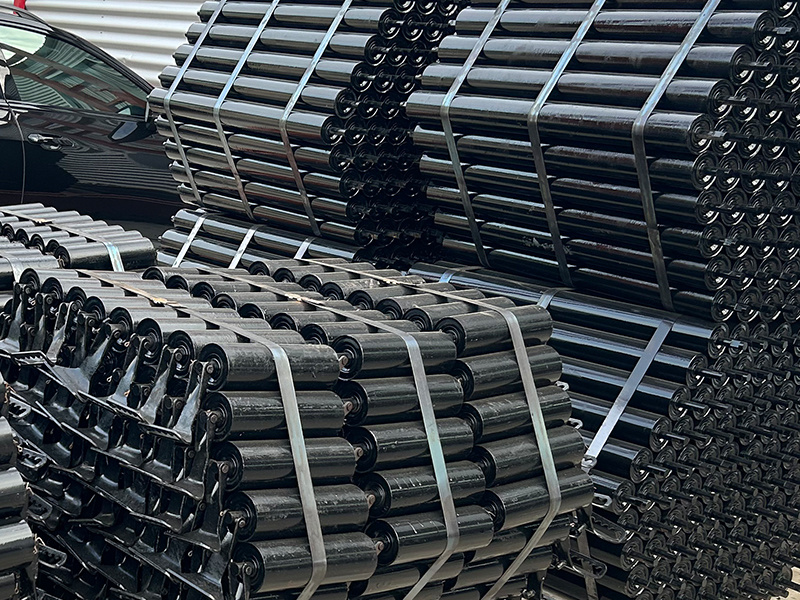
Friction self-aligning rollers are specialized rollers designed to support the smooth operation of machinery in rugged environments. Unlike traditional rollers, self-aligning variants are engineered to adapt to misalignments during operation. This adaptability allows for improved load distribution and reduced wear and tear, enhancing the overall longevity of the equipment.
The Mechanics Behind Friction Self-Aligning Rollers
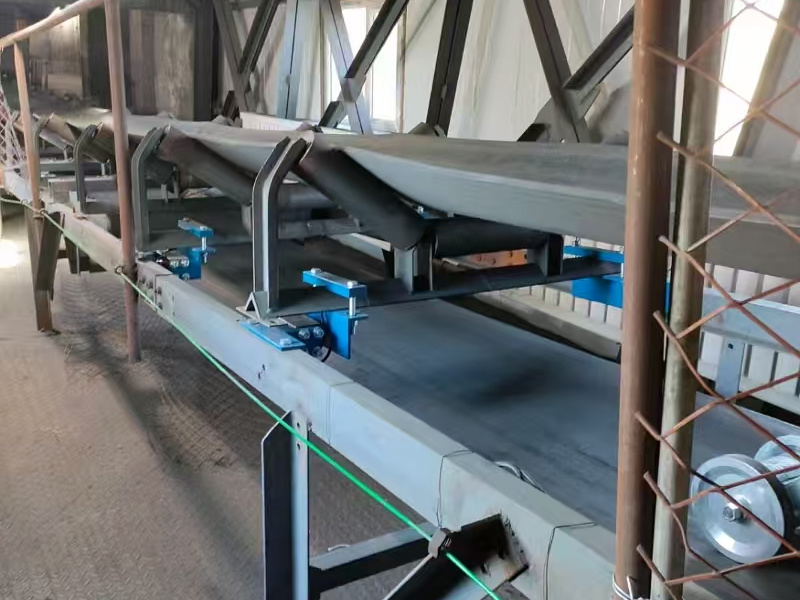
At the core of friction self-aligning rollers is a simple yet effective design. These rollers typically consist of a cylindrical body that rotates around a fixed axis, allowing for lateral movement. The friction material is strategically placed to provide the necessary grip while minimizing slippage. This combination of design elements ensures that the rollers can adjust to the angles and positions of loads, which is particularly crucial in earth-moving applications.
Key Components of Self-Aligning Rollers
To fully appreciate the functionality of friction self-aligning rollers, it's essential to understand their key components:
1. **Roller Body**: This is the main component that bears the load. Made from high-strength materials, it ensures durability under extreme conditions.
2. **Friction Material**: The outer layer that provides grip and reduces slippage, allowing the roller to function effectively even on uneven surfaces.
3. **Bearing System**: The bearings allow for smooth rotation and lateral movement, crucial for adapting to changing angles.
4. **Housing**: The housing protects the internal components and maintains the alignment of the roller.
The Advantages of Using Friction Self-Aligning Rollers
Integrating friction self-aligning rollers into earth-moving equipment brings a multitude of advantages. These include:
1. Enhanced Load Distribution
One of the foremost benefits of friction self-aligning rollers is their ability to distribute loads evenly across the surface. This equal distribution minimizes the risk of equipment failure and prolongs the lifespan of machinery.
2. Reduced Wear and Tear
By adapting to misalignments and uneven surfaces, these rollers significantly reduce friction against other components. This not only decreases wear and tear but also lowers maintenance costs over time.
3. Improved Operational Efficiency
Self-aligning rollers contribute to smoother operation, allowing equipment to function more efficiently. This efficiency translates to higher productivity on job sites, enabling quicker project completion.
4. Versatility in Applications
Friction self-aligning rollers are versatile components suitable for various applications, from excavators to bulldozers. Their adaptability makes them essential in different earth-moving tasks.
Applications of Friction Self-Aligning Rollers in Earth Moving Equipment
The applications of friction self-aligning rollers are extensive, particularly in earth-moving contexts. Here are some primary uses:
Excavators
In excavators, friction self-aligning rollers help maintain stability while digging, ensuring that the equipment can pivot without losing traction or control.
Bulldozers
For bulldozers, these rollers enable better maneuverability on rough terrains, allowing for efficient pushing and grading tasks.
Loaders
Loaders benefit from friction self-aligning rollers by achieving better load handling capabilities, enhancing their ability to transport materials effectively.
Dump Trucks
In dump trucks, these rollers contribute to the stability of the vehicle during dumping processes, ensuring safe and effective unloading of materials.
Choosing the Right Friction Self-Aligning Roller
Selecting the right friction self-aligning roller for specific earth-moving equipment involves several considerations:
1. Load Capacity
Determine the load capacity required for your application. The roller must be able to support the weight of the loads without compromising performance.
2. Material Composition
Different rollers are made from various materials, each offering unique advantages. Consider factors such as durability, weight, and resistance to environmental influences.
3. Size and Dimensions
Rollers come in various sizes. Ensure that the dimensions of the roller fit the equipment specifications for optimal performance.
4. Environmental Conditions
Consider the working environment. For instance, rollers used in wet or muddy conditions may require specific materials or coatings to prevent slippage or corrosion.
Maintenance Tips for Friction Self-Aligning Rollers
To ensure the longevity and efficiency of friction self-aligning rollers, regular maintenance is crucial. Here are some tips to help keep them in optimal condition:
1. Regular Inspections
Conduct regular inspections to identify any signs of wear or damage. Early detection can prevent more significant issues down the line.
2. Lubrication
Ensure that the rollers are adequately lubricated to minimize friction and wear. Follow manufacturer guidelines for the type and frequency of lubrication.
3. Cleanliness
Keep the rollers clean from debris and dirt, which can cause unnecessary wear and reduce efficiency. Regular cleaning can extend the life of the rollers.
4. Alignment Checks
Periodically check the alignment of the rollers to ensure they are functioning correctly. Misalignment can lead to increased wear and reduced performance.
FAQs About Friction Self-Aligning Rollers
1. What is the primary function of friction self-aligning rollers?
The primary function of friction self-aligning rollers is to support smooth operation and load distribution in earth-moving equipment, adapting to misalignments during operation.
2. How do friction self-aligning rollers differ from traditional rollers?
Friction self-aligning rollers are designed to adjust to misalignments, reducing slippage and wear, whereas traditional rollers may not adapt, leading to uneven load distribution.
3. What factors should be considered when selecting a friction self-aligning roller?
Key factors include load capacity, material composition, size and dimensions, and environmental conditions.
4. How can I maintain friction self-aligning rollers?
Maintain these rollers through regular inspections, proper lubrication, cleanliness, and alignment checks.
5. Are friction self-aligning rollers suitable for all terrains?
Yes, friction self-aligning rollers are versatile and can be used effectively on various terrains, making them ideal for different earth-moving applications.
Conclusion
In conclusion, friction self-aligning rollers are essential components in the realm of earth-moving equipment. Their ability to enhance load distribution, reduce wear, and improve operational efficiency makes them invaluable to the construction and engineering machinery sectors. By understanding their mechanics, benefits, and applications, operators can make informed decisions when selecting and maintaining these crucial components. Incorporating friction self-aligning rollers not only extends the lifespan of equipment but also optimizes performance on job sites, ensuring successful project completion.
Keywords:
Latest News
Why do PVC conveyor belts need to be wrapped?
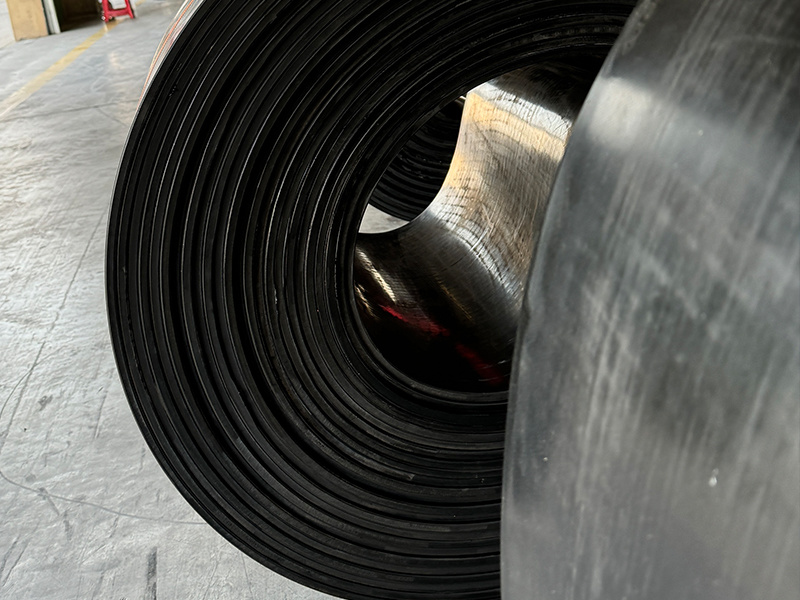
If PVC conveyor belt is to be hemmed, it usually needs 2 cloth and 2 glue or more to be suitable for hemming. First, separate the cloth surface from the glue surface, and then wrap the edge with the glue surface on the surface, so that the hemming is completed. And the use of hot melt process, the edge of the bag and the conveyor belt as a whole.