Understanding Self-Dumping Magnetic Separators: Enhancing Efficiency in Material Processing
2025-11-20


Self-dumping magnetic separators are essential tools in various industries, particularly in the manufacturing and construction sectors. These devices play a crucial role in enhancing the efficiency of material processing by effectively separating ferrous materials from non-ferrous ones. This article delves into the functionality, advantages, and applications of self-dumping magnetic separators, pr
Self-dumping magnetic separators are essential tools in various industries, particularly in the manufacturing and construction sectors. These devices play a crucial role in enhancing the efficiency of material processing by effectively separating ferrous materials from non-ferrous ones. This article delves into the functionality, advantages, and applications of self-dumping magnetic separators, providing valuable insights for professionals in the field.
A self-dumping magnetic separator operates based on the principle of magnetism. When ferrous materials come into contact with the magnetic field generated by the separator, they are attracted to the magnetic surface, allowing them to be easily separated from non-magnetic materials. The term "self-dumping" refers to the separator's ability to automatically release the collected ferrous materials, eliminating the need for manual intervention. This automation greatly enhances productivity and reduces labor costs.
One of the primary advantages of self-dumping magnetic separators is their ability to maintain a consistent workflow in material processing. In industries where large volumes of materials are handled, such as construction and mining, the continuous operation of these separators ensures that production lines run smoothly without significant downtime. This efficiency not only improves the throughput of materials but also contributes to better overall operational efficiency.
Moreover, self-dumping magnetic separators are designed to be robust and durable, capable of withstanding harsh working conditions. Their construction typically involves heavy-duty materials that can endure the rigors of manufacturing environments. This durability translates to a longer lifespan for the equipment, resulting in lower maintenance costs and fewer replacements over time.
The applications of self-dumping magnetic separators are vast. They are commonly used in industries such as recycling, mining, and food processing, where the separation of ferrous contaminants from bulk materials is critical. For instance, in recycling plants, these separators play a vital role in ensuring that metal contaminants are removed from recyclable materials, thereby improving the quality of the final product. In food processing, they help maintain food safety by preventing metal contamination in edible products.
In conclusion, self-dumping magnetic separators are indispensable in the manufacturing and construction machinery sectors. By automating the separation of ferrous materials, they enhance efficiency, reduce labor costs, and improve the quality of processed materials. As industries continue to evolve, the adoption of such innovative technologies will be crucial in meeting the increasing demands for productivity and operational excellence. Embracing self-dumping magnetic separators can significantly elevate the performance of any material processing operation.
A self-dumping magnetic separator operates based on the principle of magnetism. When ferrous materials come into contact with the magnetic field generated by the separator, they are attracted to the magnetic surface, allowing them to be easily separated from non-magnetic materials. The term "self-dumping" refers to the separator's ability to automatically release the collected ferrous materials, eliminating the need for manual intervention. This automation greatly enhances productivity and reduces labor costs.
One of the primary advantages of self-dumping magnetic separators is their ability to maintain a consistent workflow in material processing. In industries where large volumes of materials are handled, such as construction and mining, the continuous operation of these separators ensures that production lines run smoothly without significant downtime. This efficiency not only improves the throughput of materials but also contributes to better overall operational efficiency.
Moreover, self-dumping magnetic separators are designed to be robust and durable, capable of withstanding harsh working conditions. Their construction typically involves heavy-duty materials that can endure the rigors of manufacturing environments. This durability translates to a longer lifespan for the equipment, resulting in lower maintenance costs and fewer replacements over time.
The applications of self-dumping magnetic separators are vast. They are commonly used in industries such as recycling, mining, and food processing, where the separation of ferrous contaminants from bulk materials is critical. For instance, in recycling plants, these separators play a vital role in ensuring that metal contaminants are removed from recyclable materials, thereby improving the quality of the final product. In food processing, they help maintain food safety by preventing metal contamination in edible products.
In conclusion, self-dumping magnetic separators are indispensable in the manufacturing and construction machinery sectors. By automating the separation of ferrous materials, they enhance efficiency, reduce labor costs, and improve the quality of processed materials. As industries continue to evolve, the adoption of such innovative technologies will be crucial in meeting the increasing demands for productivity and operational excellence. Embracing self-dumping magnetic separators can significantly elevate the performance of any material processing operation.
Keywords:
Latest News
Why do PVC conveyor belts need to be wrapped?
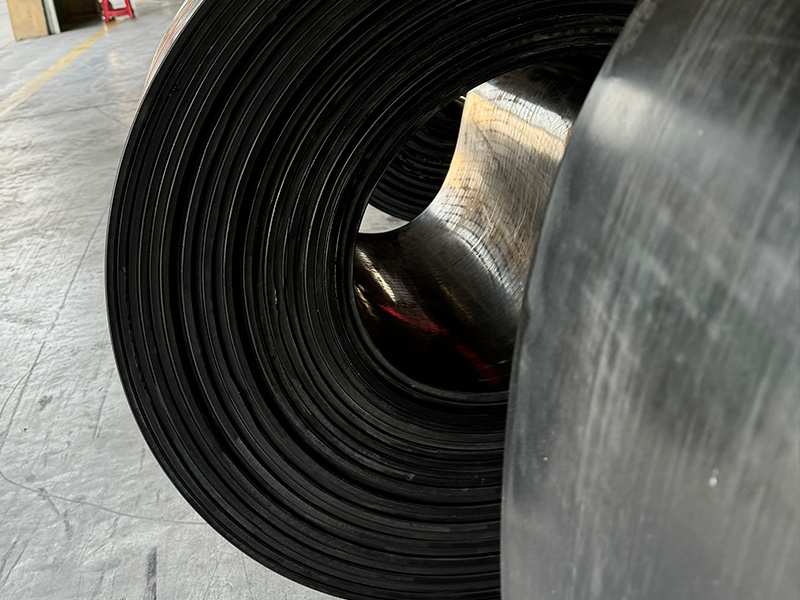
If PVC conveyor belt is to be hemmed, it usually needs 2 cloth and 2 glue or more to be suitable for hemming. First, separate the cloth surface from the glue surface, and then wrap the edge with the glue surface on the surface, so that the hemming is completed. And the use of hot melt process, the edge of the bag and the conveyor belt as a whole.