The Transformative Role of Self-Dumping Magnetic Separators on Supply Chain Efficiency
2025-11-23


The Transformative Role of Self-Dumping Magnetic Separators on Supply Chain Efficiency
Table of Contents
1. Introduction
2. What Are Self-Dumping Magnetic Separators?
3. How Do Self-Dumping Magnetic Separators Work?
4. Benefits of Self-Dumping Magnetic Separators on Supply Chain Efficiency
4.1 Cost Reduction
4.2 Increased Productivity
4
The Transformative Role of Self-Dumping Magnetic Separators on Supply Chain Efficiency
Table of Contents
- 1. Introduction
- 2. What Are Self-Dumping Magnetic Separators?
- 3. How Do Self-Dumping Magnetic Separators Work?
- 4. Benefits of Self-Dumping Magnetic Separators on Supply Chain Efficiency
- 5. Real-World Applications in Manufacturing and Construction
- 6. Case Studies: Success Stories
- 7. Challenges and Solutions in Implementing Magnetic Separators
- 8. Frequently Asked Questions
- 9. Conclusion
1. Introduction
In today's fast-paced manufacturing environment, **supply chain efficiency** stands as a critical success factor. With the increasing complexities of supply chains, organizations must adopt advanced technologies to streamline operations. Among these innovations, **self-dumping magnetic separators** have emerged as a game-changer. This article explores the pivotal role these machines play in enhancing supply chain efficiency, focusing on their mechanics, benefits, real-world applications, and the challenges organizations face in their implementation.
2. What Are Self-Dumping Magnetic Separators?
Self-dumping magnetic separators are specialized devices designed to remove ferrous materials from bulk materials. They utilize a unique **magnetic separation process** that attracts and lifts magnetic particles, automatically dumping them once they reach a predetermined height. This automation minimizes labor-intensive processes, making them an invaluable tool in various industries, including manufacturing, construction, and recycling.
3. How Do Self-Dumping Magnetic Separators Work?
The functionality of self-dumping magnetic separators revolves around several key components:
- **Magnetic Drum**: The core component that generates the magnetic field necessary for attracting ferrous materials.
- **Conveyor System**: Transports the bulk material towards the separator while allowing the magnetic particles to be attracted to the drum.
- **Dumping Mechanism**: Once the ferrous materials are attracted to the drum, they are transported to a designated dumping area where they are released.
This process not only streamlines the material handling but also enhances the overall workflow efficiency.
4. Benefits of Self-Dumping Magnetic Separators on Supply Chain Efficiency
4.1 Cost Reduction
One of the most significant advantages of implementing self-dumping magnetic separators is the reduction in operational costs. By automating the separation process, companies can decrease labor costs associated with manual sorting. Additionally, improved material recovery rates lead to less waste, enhancing the overall profitability of operations.
4.2 Increased Productivity
Self-dumping magnetic separators significantly increase productivity. With their ability to continuously operate without the need for manual intervention, facilities can maintain a steady flow of materials. This uninterrupted workflow ensures that production lines run smoothly, meeting market demands effectively.
4.3 Quality Improvement
Quality control is essential in manufacturing processes. Self-dumping magnetic separators enhance product quality by ensuring that ferrous contaminants are effectively removed from the final product. A cleaner product not only meets regulatory standards but also enhances customer satisfaction and brand reputation.
5. Real-World Applications in Manufacturing and Construction
Self-dumping magnetic separators find applications across various sectors:
- **Mining and Aggregates**: In mining, these separators effectively extract iron particles from ores, ensuring higher quality material.
- **Recycling Facilities**: They play a crucial role in recycling by separating metal from waste streams, improving recovery rates.
- **Food Processing**: In food manufacturing, maintaining cleanliness is paramount. Magnetic separators help eliminate metal contaminants, ensuring product safety.
6. Case Studies: Success Stories
Several companies have successfully integrated self-dumping magnetic separators into their operations:
- **Case Study 1: ABC Manufacturing**: By implementing magnetic separators, ABC Manufacturing reported a 30% increase in productivity and a 20% reduction in costs associated with waste management.
- **Case Study 2: XYZ Recycling**: XYZ Recycling utilized magnetic separators to enhance their metal recovery process, increasing their recovery rate from 75% to 90%, significantly boosting profitability.
These examples demonstrate the tangible benefits of adopting self-dumping magnetic separators.
7. Challenges and Solutions in Implementing Magnetic Separators
While the benefits are clear, organizations may face challenges when integrating self-dumping magnetic separators into their operations:
- **Initial Investment**: The upfront cost can be a barrier. However, the long-term savings typically outweigh the initial expenses.
- **Training Requirements**: Employees may require training to operate and maintain new systems effectively. Providing comprehensive training programs can mitigate this obstacle.
- **Maintenance Needs**: Regular maintenance ensures optimal performance. Establishing a routine maintenance schedule will enhance the lifespan of the equipment.
8. Frequently Asked Questions
What materials can self-dumping magnetic separators handle?
Self-dumping magnetic separators are designed to handle ferrous materials, including iron and steel, from various bulk materials.
Are self-dumping magnetic separators suitable for all industries?
While they are most commonly used in manufacturing, construction, and recycling, their applicability can extend to any industry dealing with bulk materials.
How do I choose the right magnetic separator for my application?
Selecting the appropriate magnetic separator involves assessing the type of materials being processed, the volume of materials, and the specific separation requirements.
What maintenance is required for self-dumping magnetic separators?
Routine maintenance includes cleaning the magnetic drum, inspecting the conveyor system, and ensuring that the dumping mechanism operates smoothly.
Can self-dumping magnetic separators improve safety in the workplace?
Yes, by automating the separation process, they reduce the need for manual handling of materials, thus minimizing the risk of accidents and injuries.
9. Conclusion
Self-dumping magnetic separators significantly enhance supply chain efficiency in the manufacturing and construction machinery sectors. By automating the separation process, organizations benefit from reduced costs, increased productivity, and improved product quality. As industries continue to evolve, adopting such innovative technologies will be crucial for maintaining competitive advantage and achieving operational excellence. Embracing self-dumping magnetic separators is not just a strategic move; it is an essential step toward a more efficient and effective supply chain.
Keywords:
Latest News
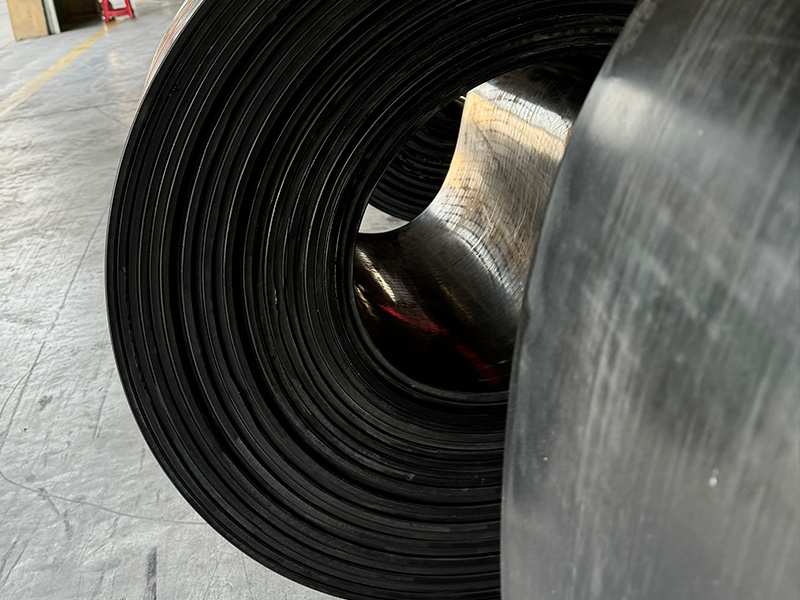
Why do PVC conveyor belts need to be wrapped?
If PVC conveyor belt is to be hemmed, it usually needs 2 cloth and 2 glue or more to be suitable for hemming. First, separate the cloth surface from the glue surface, and then wrap the edge with the glue surface on the surface, so that the hemming is completed. And the use of hot melt process, the edge of the bag and the conveyor belt as a whole.