How Electromagnetic Iron Removers Enhance Manufacturing Precision
2025-12-11


How Electromagnetic Iron Removers Enhance Manufacturing Precision
Manufacturing processes heavily rely on precision and efficiency. In industries such as construction machinery and transport machinery, even minor impurities can lead to significant errors and operational inefficiencies. **Electromagnetic iron removers** have emerged as essential tools in ensuring that manufacturing operations maint
How Electromagnetic Iron Removers Enhance Manufacturing Precision
Manufacturing processes heavily rely on precision and efficiency. In industries such as construction machinery and transport machinery, even minor impurities can lead to significant errors and operational inefficiencies. **Electromagnetic iron removers** have emerged as essential tools in ensuring that manufacturing operations maintain high standards of precision. In this article, we will delve into the mechanics of electromagnetic iron removers, their various applications, benefits, and how they can enhance manufacturing precision in various sectors.
Table of Contents
- 1. Introduction to Electromagnetic Iron Removers
- 2. How Electromagnetic Iron Removers Work
- 3. Key Benefits of Using Electromagnetic Iron Removers
- 4. Applications in Different Industries
- 5. Impact on Manufacturing Precision and Efficiency
- 6. Case Studies: Success Stories in Manufacturing
- 7. Best Practices for Maintaining Electromagnetic Iron Removers
- 8. The Future of Electromagnetic Iron Removers in Manufacturing
- 9. Frequently Asked Questions
- 10. Conclusion
1. Introduction to Electromagnetic Iron Removers
Electromagnetic iron removers are specialized devices designed to detect and eliminate iron and ferrous impurities from various materials. These devices are increasingly becoming indispensable in manufacturing processes, particularly in industries that require high levels of precision, such as **construction machinery** and **transport machinery**. The presence of iron particles can severely compromise manufacturing quality, leading to defects, increased wear on equipment, and operational downtime. Understanding how these devices function and their role in enhancing manufacturing precision is crucial for businesses aiming to optimize their production processes.
2. How Electromagnetic Iron Removers Work
The operation of electromagnetic iron removers is based on the principles of electromagnetism. Essentially, these devices utilize powerful magnets to attract and remove ferrous materials from non-ferrous materials. Here’s a breakdown of the core mechanics:
2.1 Magnetic Field Generation
Electromagnetic iron removers generate a magnetic field using electric coils. When an electric current passes through these coils, it creates a magnetic field strong enough to attract iron particles.
2.2 Attraction of Iron Particles
As materials pass through the magnetic field, any ferrous contamination is drawn toward the magnet. This process is highly efficient, allowing for the quick separation of iron particles from the main material stream.
2.3 Removal Mechanism
Once attracted, the iron particles are collected in a designated area, ensuring they do not re-enter the product stream. The effectiveness of this process is crucial, as even tiny particles can lead to severe manufacturing issues.
3. Key Benefits of Using Electromagnetic Iron Removers
Integrating electromagnetic iron removers into manufacturing processes offers numerous advantages:
3.1 Improved Product Quality
By removing ferrous contaminants, manufacturers can significantly enhance the quality of their products. High-quality output is essential for maintaining customer satisfaction and compliance with industry standards.
3.2 Increased Equipment Longevity
Iron particles can cause abrasion and wear on machinery, leading to increased maintenance costs and downtime. By utilizing electromagnetic iron removers, businesses can prolong the life of their equipment, reducing overall operational costs.
3.3 Enhanced Process Efficiency
Eliminating iron impurities from production processes streamlines operations. This efficiency ensures that manufacturers can meet deadlines and maintain productivity levels.
3.4 Compliance with Industry Standards
Many industries are subject to strict regulations regarding product quality. Using electromagnetic iron removers helps manufacturers meet these standards, avoiding penalties and ensuring a positive reputation in the market.
4. Applications in Different Industries
Electromagnetic iron removers find applications across various industries, including:
4.1 Food and Beverage Industry
In the food industry, contamination with iron particles can pose significant health risks. Electromagnetic iron removers help ensure that food products meet safety standards.
4.2 Pharmaceutical Production
Similar to the food industry, pharmaceutical manufacturing requires high levels of purity. These devices help eliminate contaminants that could compromise product efficacy.
4.4 Construction Machinery
In construction machinery manufacturing, the presence of iron can affect the durability and functionality of equipment. Electromagnetic iron removers help maintain stringent quality control.
4.5 Plastics and Polymer Manufacturing
In polymer production, iron contamination can lead to defects and poor material characteristics. Electromagnetic iron removers help ensure the integrity of final products.
5. Impact on Manufacturing Precision and Efficiency
The integration of electromagnetic iron removers into manufacturing processes significantly impacts both precision and efficiency. Here’s how:
5.1 Precision Engineering
Manufacturing precision is paramount in engineering applications. The removal of iron contaminants allows for tighter tolerances and more accurate components, essential for high-performance machinery.
5.2 Reduction in Defect Rates
With improved product quality comes a reduction in defect rates. This directly translates to lower waste levels and enhanced overall efficiency in production lines.
5.3 Streamlined Operations
By automating the removal of iron contaminants, manufacturers can streamline their operations, allowing for smoother workflows and reduced operational bottlenecks.
6. Case Studies: Success Stories in Manufacturing
Several companies have reported significant improvements in their manufacturing processes after implementing electromagnetic iron removers.
6.1 Case Study 1: A Food Processing Plant
A leading food processing plant experienced contamination issues that led to product recalls. After installing electromagnetic iron removers, the plant reported a 90% reduction in contamination incidents, enhancing product safety and customer trust.
6.2 Case Study 2: A Pharmaceutical Manufacturer
A pharmaceutical manufacturer faced challenges with product purity. By integrating electromagnetic iron removers, they improved their production quality and met stringent regulatory requirements, resulting in smoother inspections and lower compliance costs.
7. Best Practices for Maintaining Electromagnetic Iron Removers
To ensure optimal performance, it is crucial to maintain electromagnetic iron removers properly. Here are some best practices:
7.1 Regular Inspections
Conduct routine inspections to identify any wear and tear. Early detection can prevent larger issues down the line.
7.2 Cleaning Procedures
Regular cleaning of the magnetic surface ensures that no residual iron particles remain, maintaining high efficiency.
7.3 Calibration
Periodic calibration of the electromagnetic system ensures that it operates at peak performance levels, adapting to changes in production materials.
8. The Future of Electromagnetic Iron Removers in Manufacturing
As manufacturing technology continues to advance, so too will the development of electromagnetic iron removers. Innovations such as enhanced magnetic materials and smarter systems capable of detecting a wider range of contaminants are on the horizon. Additionally, the integration of IoT technology may allow for real-time monitoring and diagnostics, further revolutionizing how manufacturers approach quality control.
9. Frequently Asked Questions
9.1 What types of materials can electromagnetic iron removers handle?
Electromagnetic iron removers are effective with various materials, including metals, plastics, food products, and pharmaceuticals.
9.2 How do I choose the right electromagnetic iron remover for my business?
Consider factors such as the materials you process, the level of contamination, and your production volume when selecting an electromagnetic iron remover.
9.3 Are electromagnetic iron removers easy to install?
Most electromagnetic iron removers are designed for straightforward installation. However, consultation with a professional may be advisable for optimal placement and performance.
9.4 How often do I need to maintain my electromagnetic iron remover?
Regular maintenance, including inspections and cleaning, is recommended at least every few months or based on the frequency of use and the level of contamination in your processes.
9.5 Can electromagnetic iron removers help reduce costs?
Yes, by improving product quality and reducing equipment wear, electromagnetic iron removers can lead to significant cost savings over time.
10. Conclusion
Electromagnetic iron removers have become vital in enhancing manufacturing precision across various industries. By effectively removing ferrous contaminants, these devices ensure product quality, increase equipment longevity, and streamline manufacturing processes. As industries continue to prioritize precision and efficiency, the role of electromagnetic iron removers will undoubtedly grow, making them essential tools for any manufacturer aiming to stay competitive. Investing in these devices not only improves operational efficiency but also contributes to a higher quality output that meets the stringent demands of modern consumers.
Keywords:
Latest News
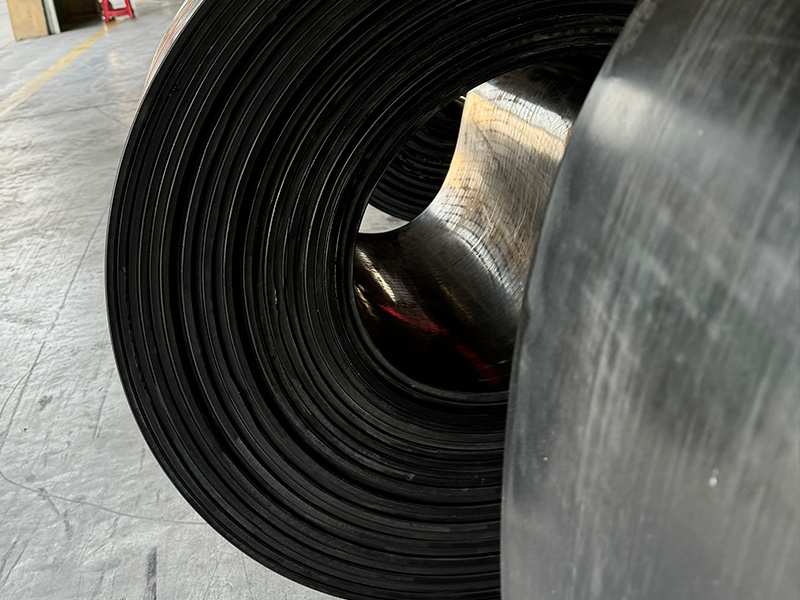
Why do PVC conveyor belts need to be wrapped?
If PVC conveyor belt is to be hemmed, it usually needs 2 cloth and 2 glue or more to be suitable for hemming. First, separate the cloth surface from the glue surface, and then wrap the edge with the glue surface on the surface, so that the hemming is completed. And the use of hot melt process, the edge of the bag and the conveyor belt as a whole.