Maximizing Efficiency with Friction Compensating Bearings in Earthmoving Machinery
2025-12-14


Friction compensating bearings are essential components in the realm of manufacturing and processing machinery, particularly in the construction and earthmoving sector. These bearings are designed to reduce friction and wear, enhancing the efficiency and reliability of heavy machinery such as bulldozers, excavators, and other earthmoving equipment. By understanding the mechanisms and advantages of
Friction compensating bearings are essential components in the realm of manufacturing and processing machinery, particularly in the construction and earthmoving sector. These bearings are designed to reduce friction and wear, enhancing the efficiency and reliability of heavy machinery such as bulldozers, excavators, and other earthmoving equipment. By understanding the mechanisms and advantages of friction compensating bearings, manufacturers can significantly improve product performance and operational longevity.
At the core of friction compensating bearings is the innovative design that incorporates features specifically aimed at minimizing friction. Unlike traditional bearings, these specialized components utilize advanced materials and engineering techniques to ensure smooth operation even under heavy loads. The bearings are often designed with self-aligning properties which help to maintain optimal contact between moving parts, thus reducing wear and tear.
One of the primary advantages of friction compensating bearings is their ability to enhance operational efficiency. By minimizing energy loss due to friction, machinery can operate more smoothly and with less power consumption. This is particularly beneficial in earthmoving applications where fuel efficiency is a critical factor. As fuel prices continue to rise, organizations that invest in friction compensating bearings can see significant cost savings over time.
Moreover, the installation of these bearings can lead to reduced maintenance requirements. The enhanced durability and reduced wear mean that machinery is less likely to experience breakdowns. This can lead to longer intervals between maintenance checks, reducing downtime and allowing for more productive use of equipment. For companies heavily reliant on earthmoving machinery, this translates to increased profitability and improved project timelines.
In addition to operational benefits, friction compensating bearings contribute to better environmental performance. Lower friction leads to reduced emissions and energy consumption, supporting sustainability initiatives that many companies are now prioritizing. As regulatory pressures increase, transitioning to more efficient components like friction compensating bearings can position a company favorably in both market competitiveness and compliance.
Furthermore, when selecting friction compensating bearings for earthmoving machinery, it's crucial to consider factors such as load capacity, environmental conditions, and lubrication requirements. Collaborating with engineering teams to identify the right specifications can ensure optimal performance tailored to specific machinery and operational demands.
In summary, friction compensating bearings represent a vital technological advancement in the manufacturing of construction and earthmoving machinery. Their ability to reduce friction, enhance efficiency, and lower maintenance requirements positions them as a key component for companies looking to improve performance and profitability in a competitive market. By integrating these innovative bearings, manufacturers can not only boost their operational capabilities but also contribute positively to environmental sustainability goals.
Keywords:
Latest News
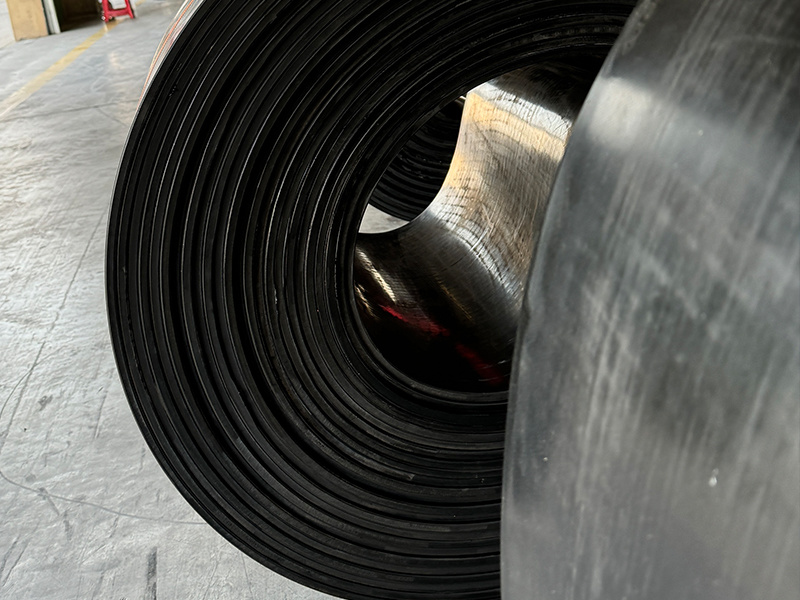
Why do PVC conveyor belts need to be wrapped?
If PVC conveyor belt is to be hemmed, it usually needs 2 cloth and 2 glue or more to be suitable for hemming. First, separate the cloth surface from the glue surface, and then wrap the edge with the glue surface on the surface, so that the hemming is completed. And the use of hot melt process, the edge of the bag and the conveyor belt as a whole.