Unlocking Efficiency: The Role of Friction Compensating Bearings in Excavation Machinery
2025-12-17


Unlocking Efficiency: The Role of Friction Compensating Bearings in Excavation Machinery
Table of Contents
1. Introduction to Excavation Machinery
2. The Role of Bearings in Excavation Machinery
3. Understanding Friction Compensating Bearings
4. Mechanics of Friction Compensating Bearings
5. Key Benefits of Friction Compensating Bearings
6. Applications of Friction Compens
Unlocking Efficiency: The Role of Friction Compensating Bearings in Excavation Machinery
Table of Contents
- 1. Introduction to Excavation Machinery
- 2. The Role of Bearings in Excavation Machinery
- 3. Understanding Friction Compensating Bearings
- 4. Mechanics of Friction Compensating Bearings
- 5. Key Benefits of Friction Compensating Bearings
- 6. Applications of Friction Compensating Bearings in Excavation Machinery
- 7. Trends in Bearing Technology for Excavation
- 8. Conclusion
- 9. FAQs
1. Introduction to Excavation Machinery
Excavation machinery plays a crucial role in construction and engineering projects, serving as the backbone for various tasks, including digging, moving earth, and site preparation. Among these machines, excavators, backhoes, and bulldozers are essential for enhancing productivity and efficiency. In this context, the mechanical components that ensure smooth operation are equally vital. One such component is the friction compensating bearing, an innovative solution poised to revolutionize the performance of excavation machinery.
2. The Role of Bearings in Excavation Machinery
Bearings are mechanical elements that permit relative motion between moving parts while reducing friction. They play a significant role in ensuring the longevity and efficiency of excavation machinery. Their primary functions include:
- Reducing friction between moving parts
- Supporting loads from various directions
- Enhancing operational stability
- Facilitating smooth operation during excavation tasks
Without effective bearings, excavation machinery would suffer from increased wear and tear, which can lead to frequent breakdowns, costly repairs, and significant downtime.
3. Understanding Friction Compensating Bearings
Friction compensating bearings are engineered to adapt to varying load conditions. This innovative bearing type employs advanced technologies that allow it to compensate for changes in friction, resulting in improved performance. Unlike traditional bearings, which often rely solely on lubrication to reduce friction, these bearings can adjust to external conditions, enhancing efficiency and reliability in operation.
The Mechanism Behind Friction Compensation
Friction compensating bearings utilize a self-adjusting mechanism that ensures optimal contact between the bearing surfaces, irrespective of load variations. This self-adjustment minimizes energy loss due to friction, leading to enhanced operational efficiency.
4. Mechanics of Friction Compensating Bearings
The mechanics of friction compensating bearings revolve around their unique design and material composition. Typically made from high-performance polymers or advanced alloys, these bearings feature:
- Self-lubricating properties: Reducing the need for regular lubrication maintenance.
- Variable load handling: Adapting to changes in load without compromising performance.
- Durability: Resistant to wear and corrosion, extending the lifespan of machinery.
These attributes ensure that friction compensating bearings operate efficiently under extreme conditions, making them ideal for excavation machinery.
5. Key Benefits of Friction Compensating Bearings
The integration of friction compensating bearings into excavation machinery offers numerous advantages, including:
Enhanced Efficiency
The ability to adapt to changes in load and friction results in **significantly improved efficiency**. This means that machinery can operate at higher speeds and with greater precision, ultimately leading to faster project completion times.
Reduced Maintenance Costs
With self-lubricating properties and decreased wear, these bearings require less maintenance. This **lowers the overall operational costs**, as machinery will spend less time in the shop for repairs.
Improved Performance in Harsh Conditions
Excavation operations often take place in demanding environments. Friction compensating bearings maintain their performance even under extreme conditions, ensuring reliable operation when it matters most.
Extended Equipment Lifespan
By reducing friction and wear, these bearings contribute to a longer lifespan for excavation machinery. This **translates to significant savings** over time, as equipment replacement costs are deferred.
Environmental Benefits
With enhanced efficiency and reduced energy consumption, friction compensating bearings contribute to a greener operation, aligning with the industry's push towards sustainability.
6. Applications of Friction Compensating Bearings in Excavation Machinery
Friction compensating bearings find several applications within the realm of excavation machinery:
Excavators
In excavators, these bearings improve the hydraulic systems, enhancing the machine's overall lifting and digging capabilities. The result is more efficient digging with less energy consumption.
Bulldozers
In bulldozers, friction compensating bearings optimize blade movements, allowing for smoother operation and better material handling.
Backhoes
Backhoe loaders benefit from reduced friction in their articulating joints, which enhances maneuverability and efficiency during operation.
Dump Trucks
In dump trucks, these bearings ensure that the lifting mechanism operates smoothly, enabling faster unloading and improved productivity on job sites.
7. Trends in Bearing Technology for Excavation
The evolution of bearing technology continues to shape the future of excavation machinery. Key trends include:
Smart Bearings
The introduction of smart technology into bearings is allowing for real-time monitoring of performance, enabling predictive maintenance and reducing downtime.
Advanced Materials
The use of advanced materials such as carbon fiber and engineered plastics is improving the performance and durability of friction compensating bearings.
Increased Customization
Manufacturers are increasingly offering customized bearing solutions tailored to the specific needs of excavation machinery, enhancing performance further.
8. Conclusion
Friction compensating bearings represent a significant advancement in excavation machinery technology, unlocking new levels of efficiency, reliability, and performance. As the construction and engineering industries continue to evolve, the integration of these bearings will play a pivotal role in enhancing operational capabilities. By investing in friction compensating bearings, companies can realize significant cost savings, improved productivity, and an extended lifespan for their equipment.
9. FAQs
What are friction compensating bearings?
Friction compensating bearings are specialized bearings designed to adapt to varying loads and friction conditions, enhancing performance and efficiency in machinery.
How do friction compensating bearings improve excavation machinery efficiency?
By reducing friction and wear, these bearings allow machinery to operate at higher speeds and with greater precision, resulting in faster project completion times.
Are friction compensating bearings more expensive than traditional bearings?
While the initial cost may be higher, the long-term savings from reduced maintenance and extended equipment lifespan often offset the investment.
What types of machinery benefit from friction compensating bearings?
Excavators, bulldozers, backhoes, and dump trucks all benefit from the integration of friction compensating bearings.
How do I maintain friction compensating bearings?
These bearings generally require less maintenance than traditional bearings due to their self-lubricating properties, but regular inspections are still recommended to ensure optimal performance.
Keywords:
Latest News
Why do PVC conveyor belts need to be wrapped?
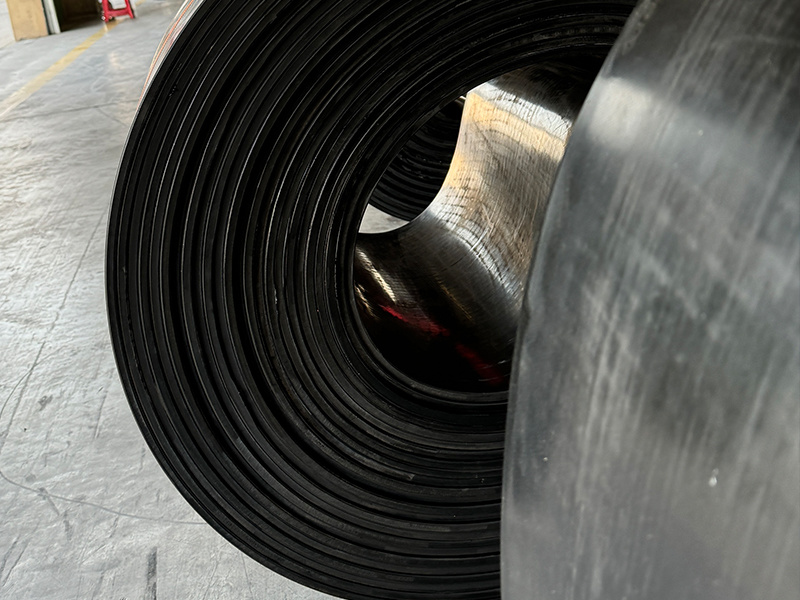
If PVC conveyor belt is to be hemmed, it usually needs 2 cloth and 2 glue or more to be suitable for hemming. First, separate the cloth surface from the glue surface, and then wrap the edge with the glue surface on the surface, so that the hemming is completed. And the use of hot melt process, the edge of the bag and the conveyor belt as a whole.