Enhancing Performance with Friction Compensating Bearings in Earthmoving Equipment
2025-12-22


Friction compensating bearings are innovative components designed to reduce friction and wear in various machinery applications, including earthmoving equipment such as excavators, bulldozers, and loaders. These bearings play a crucial role in enhancing the performance and durability of heavy machinery commonly used in manufacturing and construction.
One of the primary advantages of friction compe
Friction compensating bearings are innovative components designed to reduce friction and wear in various machinery applications, including earthmoving equipment such as excavators, bulldozers, and loaders. These bearings play a crucial role in enhancing the performance and durability of heavy machinery commonly used in manufacturing and construction.
One of the primary advantages of friction compensating bearings is their ability to maintain a consistent load-carrying capacity while minimizing frictional losses. This is achieved through advanced design features that allow for better alignment and distribution of forces within the bearing. As a result, the operational efficiency of earthmoving machinery is significantly improved, leading to increased productivity on job sites.
In the context of manufacturing and construction machinery, the main components of friction compensating bearings include rolling elements, inner and outer rings, and a specialized cage design. The rolling elements, often made from high-strength steel or ceramics, facilitate smooth movement, while the cage design ensures proper spacing and alignment of these elements. This configuration not only reduces friction but also enhances the bearing's ability to handle heavy loads and resist wear over time.
Another key benefit of these bearings is their resistance to harsh environmental conditions. Earthmoving equipment is frequently exposed to dust, mud, and extreme temperatures, which can accelerate wear and reduce the lifespan of traditional bearings. Friction compensating bearings are engineered to withstand such challenges, incorporating materials and coatings that provide excellent resistance to corrosion and contamination.
Additionally, implementing friction compensating bearings can lead to significant cost savings in the long run. While the initial investment may be higher compared to conventional bearings, the reduction in maintenance costs and downtime due to fewer replacements often offsets this expenditure. Companies can benefit from longer service intervals and improved machine uptime, making friction compensating bearings a wise choice for earthmoving equipment.
It is also essential to consider the installation and integration of friction compensating bearings into existing machinery. Proper alignment and fitting are critical to maximizing their benefits. Operators and maintenance personnel should be trained to recognize the optimal conditions for installation and to perform regular checks to ensure that the bearings are functioning correctly.
In conclusion, friction compensating bearings represent a vital innovation in the realm of manufacturing and construction machinery, particularly in earthmoving applications. Their ability to reduce friction, withstand harsh environments, and extend the lifespan of equipment makes them an invaluable asset for companies looking to enhance efficiency and reduce operational costs. Embracing this technology can lead to significant advancements in the performance and reliability of heavy machinery, ultimately contributing to greater success in the competitive manufacturing landscape.
Keywords:
Latest News
Why do PVC conveyor belts need to be wrapped?
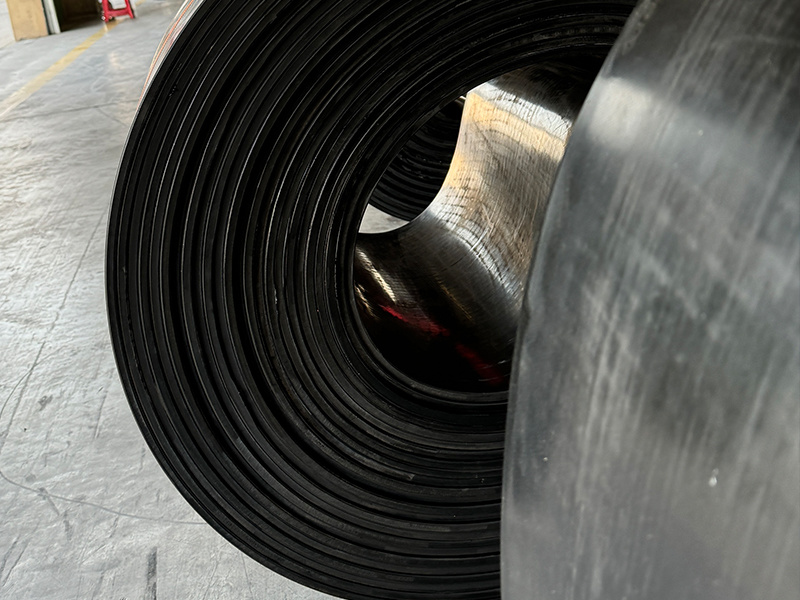
If PVC conveyor belt is to be hemmed, it usually needs 2 cloth and 2 glue or more to be suitable for hemming. First, separate the cloth surface from the glue surface, and then wrap the edge with the glue surface on the surface, so that the hemming is completed. And the use of hot melt process, the edge of the bag and the conveyor belt as a whole.