The Essential Role of Rotary Valve Dischargers in Material Handling
2025-12-29


In the manufacturing and processing machinery industry, particularly within construction and earth-moving equipment, the rotary valve discharger plays a crucial role in the efficient management of bulk material flow. Understanding its functionality and benefits can significantly enhance operational efficiency in various applications.
A rotary valve discharger is a mechanical device used to control
In the manufacturing and processing machinery industry, particularly within construction and earth-moving equipment, the rotary valve discharger plays a crucial role in the efficient management of bulk material flow. Understanding its functionality and benefits can significantly enhance operational efficiency in various applications.
A rotary valve discharger is a mechanical device used to control the flow of bulk materials from a storage container or hopper. This device operates as a seal between the storage system and the downstream processing equipment, allowing for the controlled discharge of materials while preventing backflow or leakage. This is particularly important in applications where material consistency and precision are key to maintaining quality standards.
One of the primary benefits of using a rotary valve discharger is its ability to handle a wide range of materials, from powders and granules to larger aggregates. This versatility makes it an invaluable component in many manufacturing processes, including the food, pharmaceutical, and construction industries. The ability to maintain a consistent flow rate ensures that downstream processes receive a steady supply of material, which is critical for efficiency and productivity.
Moreover, rotary valve dischargers are designed to operate under various conditions, including high pressure and temperature variations. This adaptability makes them suitable for tough industrial environments where reliability is of utmost importance. Their design usually includes features such as self-cleaning capabilities and easy maintenance access, further enhancing their operational effectiveness.
Another significant advantage of rotary valve dischargers is their energy efficiency. By providing a controlled flow of material, they minimize waste and reduce the energy costs associated with moving materials. This is particularly advantageous in large-scale operations, where even minor efficiencies can lead to substantial cost savings over time.
In addition to their functional advantages, rotary valve dischargers also contribute to improved safety in the workplace. By preventing spills and leaks, they reduce the risk of accidents and material waste, fostering a safer working environment. This aligns with increasing industry standards and regulations focused on safety and environmental responsibility.
In conclusion, the rotary valve discharger is an essential component in the manufacturing and processing machinery sector, particularly in construction and earth-moving applications. Its ability to efficiently manage the flow of bulk materials, coupled with its reliability and energy efficiency, makes it a key player in optimizing material handling processes. Investing in high-quality rotary valve dischargers can lead to enhanced productivity, safety, and cost-effectiveness in your operations, making it a valuable consideration for any industry professional.
Keywords:
Latest News
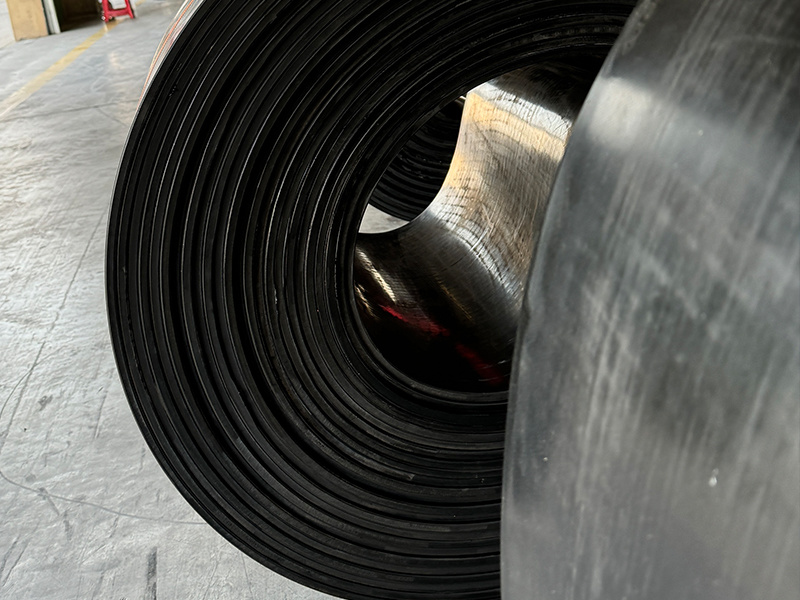
Why do PVC conveyor belts need to be wrapped?
If PVC conveyor belt is to be hemmed, it usually needs 2 cloth and 2 glue or more to be suitable for hemming. First, separate the cloth surface from the glue surface, and then wrap the edge with the glue surface on the surface, so that the hemming is completed. And the use of hot melt process, the edge of the bag and the conveyor belt as a whole.