Maximize Efficiency with Rotary Valve Dischargers in Bulk Material Handling
2026-01-01


Maximize Efficiency with Rotary Valve Dischargers in Bulk Material Handling
Table of Contents
Introduction to Rotary Valve Dischargers
What is a Rotary Valve Discharger?
How Rotary Valve Dischargers Work
Benefits of Using Rotary Valve Dischargers
Applications of Rotary Valve Dischargers in Various Industries
Best Practices for Implementing Rotary Valve Dischargers
Common Challenges
Maximize Efficiency with Rotary Valve Dischargers in Bulk Material Handling
Table of Contents
- Introduction to Rotary Valve Dischargers
- What is a Rotary Valve Discharger?
- How Rotary Valve Dischargers Work
- Benefits of Using Rotary Valve Dischargers
- Applications of Rotary Valve Dischargers in Various Industries
- Best Practices for Implementing Rotary Valve Dischargers
- Common Challenges and Solutions in Bulk Material Handling
- Maintenance of Rotary Valve Dischargers
- Frequently Asked Questions
- Conclusion
Introduction to Rotary Valve Dischargers
In the realm of **bulk material handling**, optimizing processes and enhancing efficiency are paramount. Industries that rely on the transport and management of various materials—be it in construction, food production, or pharmaceuticals—turn to advanced technologies to maximize productivity. One such innovation is the **rotary valve discharger**. This device plays a critical role in controlling the flow of bulk materials, ensuring a smooth operation and minimal downtime. In this article, we will explore how rotary valve dischargers can enhance efficiency and effectiveness in bulk material handling systems.
What is a Rotary Valve Discharger?
A rotary valve discharger is a mechanical device designed to control the discharge of bulk materials from a storage container or hopper. It typically consists of a cylindrical body with a rotating element, which allows for controlled and consistent flow. The design of the rotary valve minimizes air leakage and prevents product loss, making it an ideal choice for materials that need to be handled in a precise and efficient manner.
Key Components of Rotary Valve Dischargers
Understanding the main components of rotary valve dischargers can help in selecting the right model for specific applications. Typically, these components include:
- **Housing**: The outer casing that supports the internal mechanism.
- **Rotating Element**: The part that moves materials out of the hopper; can be paddles, blades, or vanes.
- **Seals**: Prevent air leakage and maintain pressure, ensuring that materials flow smoothly.
- **Drive Mechanism**: Powers the rotation of the valve, which can be electric or pneumatic.
How Rotary Valve Dischargers Work
Rotary valve dischargers operate on a straightforward principle. The rotating element within the valve creates pockets that fill up with material from the storage hopper. As the valve continues to rotate, these pockets move to the discharge point, allowing the material to exit in a controlled manner. This process not only maintains a constant flow rate but also helps in reducing issues such as material bridging and rat-holing.
Flow Control Mechanisms
The ability to control flow is one of the key advantages of rotary valve dischargers. By adjusting the speed of the rotating element, operators can fine-tune the discharge rate to meet specific operational requirements. This adaptability makes rotary valves ideal for processes that demand varying flow rates.
Benefits of Using Rotary Valve Dischargers
Utilizing rotary valve dischargers in bulk material handling offers numerous advantages:
1. Enhanced Efficiency
Rotary valve dischargers facilitate a consistent flow of materials, significantly reducing downtime associated with clogging and other flow issues. This efficiency leads to increased throughput, allowing operations to meet higher production demands.
2. Reduced Material Loss
The design of rotary valves minimizes the possibility of material escaping during handling, which translates into cost savings and reduced waste. This is particularly beneficial for high-value or hazardous materials.
3. Improved Control Over Material Flow
With adjustable flow rates, operators can precisely control the amount of material being discharged, leading to better process management and improved product quality.
4. Versatility Across Industries
Rotary valve dischargers can handle a wide range of materials, including powders, pellets, and granules. Their versatility makes them suitable for various applications in industries such as food processing, pharmaceuticals, and construction.
5. Enhanced Safety Features
Modern rotary valve dischargers are designed with safety in mind, featuring enclosed systems that minimize the risk of exposure to harmful materials, contributing to a safer working environment.
Applications of Rotary Valve Dischargers in Various Industries
The adaptability of rotary valve dischargers allows for a variety of applications across different sectors:
1. Food and Beverage Industry
In this industry, rotary valve dischargers are used to handle ingredients such as flour, sugar, and various powders. Ensuring sanitary operations, these valves help maintain product quality and safety standards.
2. Pharmaceutical Manufacturing
Pharmaceutical companies rely on rotary dischargers to manage powders and granules, ensuring precise dosing and compliance with strict regulatory requirements.
3. Construction and Building Materials
In construction, rotary valve dischargers facilitate the handling of materials like cement, aggregates, and other bulk materials, improving efficiency and reducing labor costs.
4. Chemical Processing
Chemical plants use rotary valve dischargers to transfer bulk chemicals safely and efficiently, minimizing exposure to hazardous substances during handling.
Best Practices for Implementing Rotary Valve Dischargers
To maximize the benefits of rotary valve dischargers, consider the following best practices:
1. Proper Selection of Valve Size and Type
Choosing the appropriate size and type of rotary valve discharger is crucial. Factors such as material characteristics, flow rates, and system pressures should influence your selection.
2. Regular Maintenance and Inspection
Routine maintenance ensures that rotary valves operate efficiently. Regularly inspect seals, bearings, and the rotating element for wear and tear.
3. Training Operators
Ensure that staff are trained in the operation and maintenance of rotary valve dischargers. Proper training can help prevent operational issues and extend the lifespan of the equipment.
4. Monitor Performance
Implement monitoring systems to track the performance of rotary valve dischargers. This data can help identify potential issues and optimize operations for better efficiency.
Common Challenges and Solutions in Bulk Material Handling
While rotary valve dischargers offer many advantages, challenges can arise in bulk material handling. Here are some common issues and their solutions:
1. Clogging and Jamming
**Challenge:** Clogging can occur when materials are not flowing correctly.
**Solution:** Regularly inspect and maintain the rotary valve to ensure it is free from obstructions. Adjust the flow rate to prevent material buildup.
2. Wear and Tear
**Challenge:** Rotating components may wear out over time, affecting performance.
**Solution:** Use high-quality materials for wear components and establish a routine maintenance schedule to replace parts as needed.
3. Air Leakage
**Challenge:** Leakage can lead to product loss and safety concerns.
**Solution:** Ensure that seals are in good condition and replace them as necessary to maintain a tight seal within the system.
Maintenance of Rotary Valve Dischargers
Effective maintenance practices are essential to ensure the longevity and efficiency of rotary valve dischargers. Here are essential maintenance tips:
1. Lubrication
Regularly lubricate moving parts as per the manufacturer’s guidelines to ensure smooth operation and reduce wear.
2. Inspection
Conduct routine inspections to identify any signs of wear, damage, or misalignment. Early detection can prevent costly repairs.
3. Cleanliness
Keep the discharger clean to avoid contamination, especially in food and pharmaceutical applications. Develop a cleaning schedule that aligns with operational needs.
Frequently Asked Questions
1. What types of materials can rotary valve dischargers handle?
Rotary valve dischargers can handle a wide range of materials, including powders, granules, and pellets, making them versatile for various industries.
2. How do I choose the right rotary valve discharger for my application?
Consider factors such as the type of material, required flow rate, and operating environment to select the appropriate rotary valve discharger.
3. What maintenance is required for rotary valve dischargers?
Regular inspections, lubrication, and cleaning are essential to ensure optimal performance and longevity of rotary valve dischargers.
4. Can rotary valve dischargers help reduce material loss?
Yes, the design of rotary valve dischargers minimizes air leakage and prevents material loss, leading to cost savings.
5. Are rotary valve dischargers safe to use?
Modern rotary valve dischargers are designed with safety features that minimize exposure to hazardous materials, contributing to a safer work environment.
Conclusion
In summary, rotary valve dischargers represent a significant advancement in bulk material handling technology. Their ability to enhance efficiency, reduce material loss, and improve flow control makes them an invaluable asset across various industries. By implementing best practices for selection, maintenance, and operation, businesses can maximize the benefits derived from these innovative devices. Investing in rotary valve dischargers not only streamlines operations but also contributes to the overall success of manufacturing and construction projects. Embrace the future of bulk material handling with rotary valve dischargers and watch your operational efficiency soar.
Keywords:
Latest News
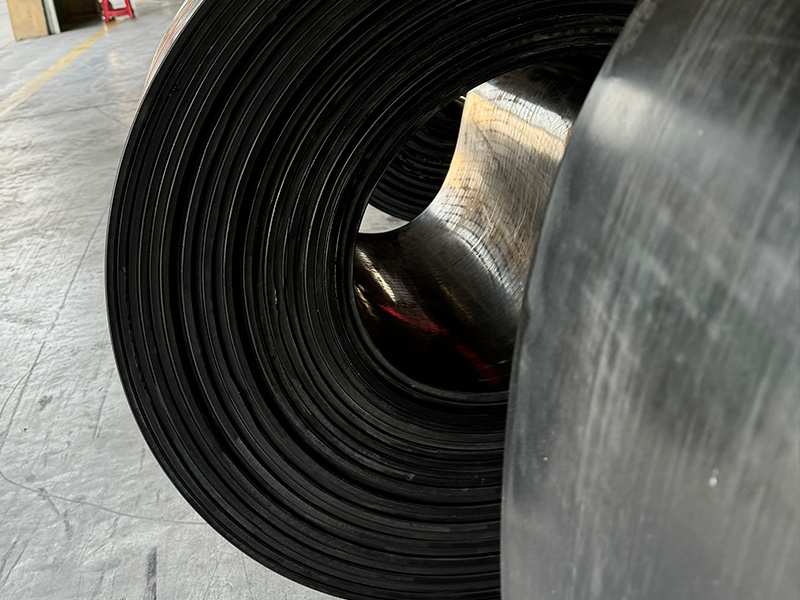
Why do PVC conveyor belts need to be wrapped?
If PVC conveyor belt is to be hemmed, it usually needs 2 cloth and 2 glue or more to be suitable for hemming. First, separate the cloth surface from the glue surface, and then wrap the edge with the glue surface on the surface, so that the hemming is completed. And the use of hot melt process, the edge of the bag and the conveyor belt as a whole.